
Geneva, Switzerland - The Permanent Mission of the Hashemite Kingdom of Jordan and UNITAR hosted a significant convergence of faith and diplomacy: the 11th Annual Geneva Interfaith Dialogue within the historical halls of the Palais des Nations. This year's meeting focused on the theme of "Strengthening Multilateralism in Times of Global Challenges". The event coincided with the global observance of World Interfaith Harmony Week, established by Resolution A/RES/65/5.
The 11th Annual Geneva Interfaith Dialogue, which was inaugurated by the United Nations Assistant Secretary-General and UNITAR Executive Director, Ms Michelle Gyles-McDonnough, and H.E. Amb. Akram Sa'ud Harahsheh, Permanent Representative of the Kingdom of Jordan. Together, they thanked the panelists and participants for their commitment to this platform, emphazising that the dialogue represents a vital "focal point" for those who believe that shared values are the primary antidote to global division.
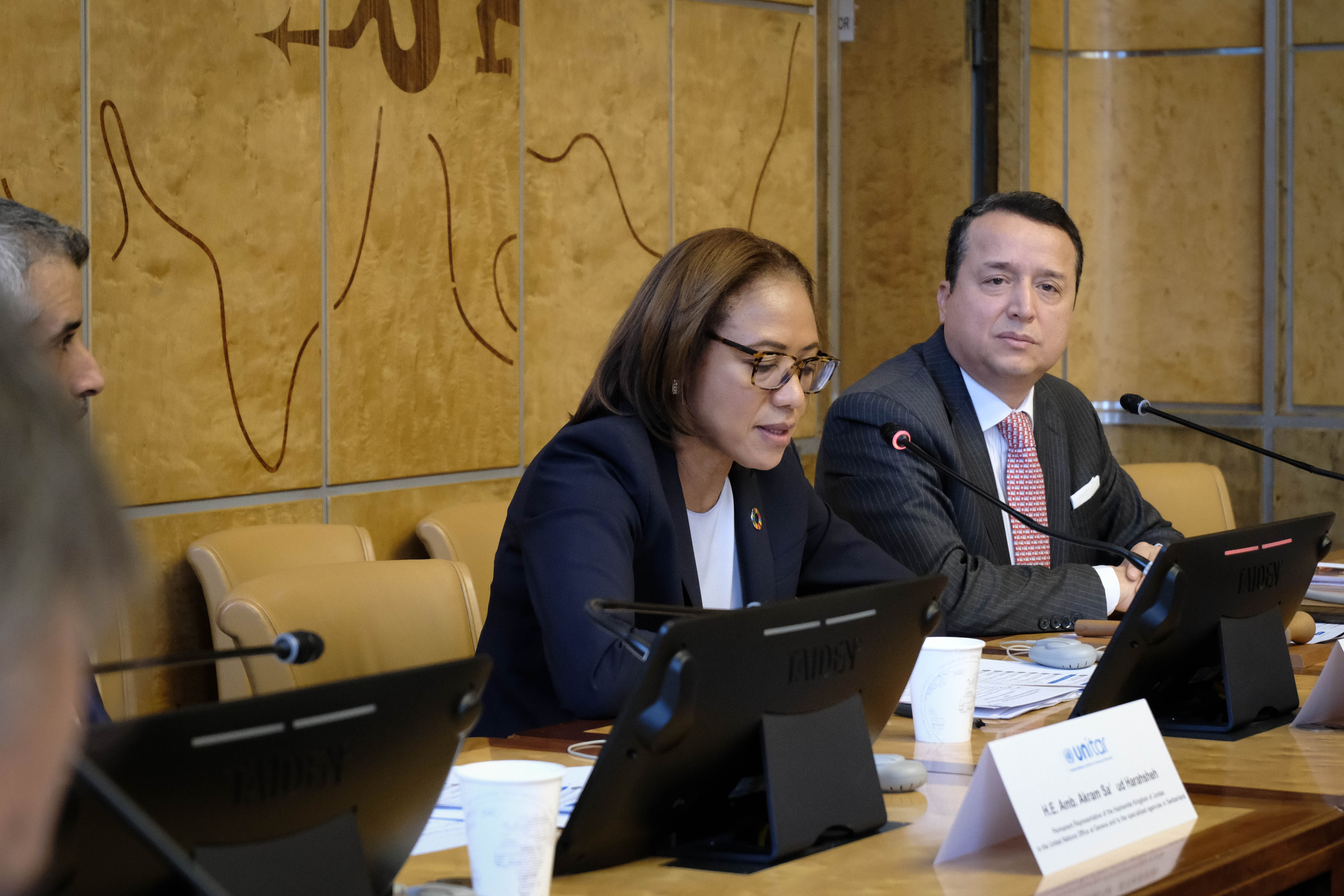
The speakers included H.E. Archbishop Ettore Balestrero, Apostolic Nuncio and Permanent Observer of the Holy See, H.E. Amb. Jamal Jama Al Musharakh, Permanent Representative of the United Arab Emirates, H.E. Amb. Erzhan Kazykhan, Permanent Representative of the Republic of Kazakhstan; H.E. Amb. Ram Prasad Subedi, Permanent Representative of Nepal, H.E. Amb. Ivonne Baki, Ambassador to the UNESCO Dialogue of Civilizations, H.E. Amb. Marie-Thérèse Pictet-Althann, Permanent Observer of the Sovereign Order of Malta; Mr Marat Kangarlinski, Deputy Permanent Representative of the Republic of Azerbaijan; Mr Bader Al-Mutairi, Deputy Permanent Observer of the Organization of Islamic Cooperation; and Dr Benji Levi Moses, Chaplain of the United Nations Christian Association. The event was moderated by Mr Alex Mejia, Director of UNITAR's Division for People and Social Development.
Archbishop Ettore Balestrero posited that faith is not a relic of the past, but a living, dynamic force for social cohesion. By emphasising compassion, mercy, and the inherent sanctity of every human life, they collectively called for a diplomacy that is "people-centred" rather than power-centred.
Amb. Jamal Jama Al Musharakh noted that peace required constant, deliberate cultivation. This perspective anchored the dialogue in a sense of realism, acknowledging that while the aspiration for harmony is universal, the path toward achieving it is frequently obstructed by geopolitical tensions and the rising tide of exclusionary politics.
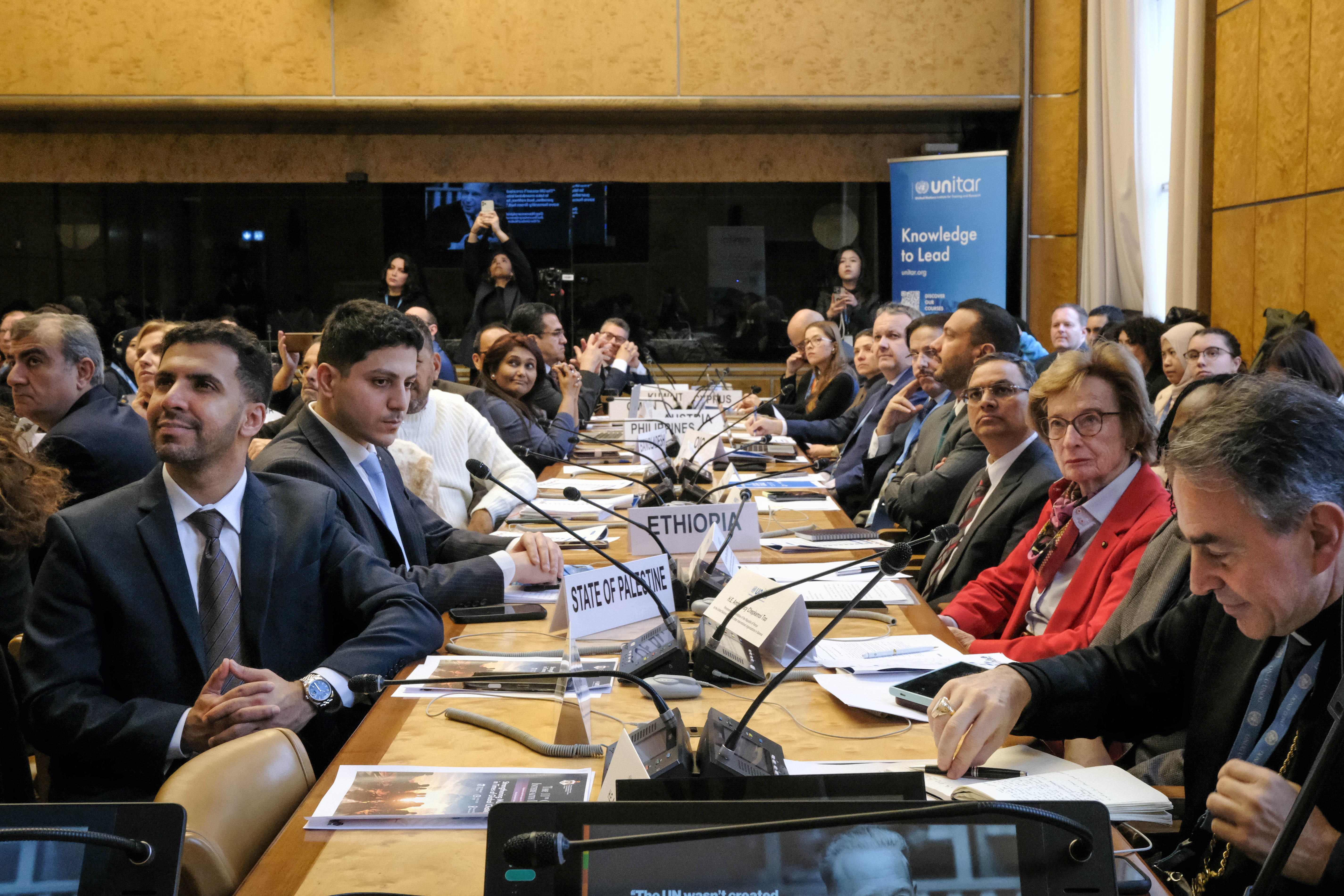
A cornerstone of this year's discussion was the contribution of Amb. Marie-Thérèse Pictet-Althann. Having attended all eleven editions of the Geneva Interfaith Dialogue, her presence provided a unique historical perspective and underscored the enduring importance of this forum. She remarked on the consistency of the challenges faced over the last decade, noting that while the geopolitical landscape shifts, the fundamental need for faith-based humanitarian action and ethical diplomacy remains constant.
Central to the discussion was the recognition that multilateralism is facing unprecedented strain. However, the dialogue suggested that by integrating common human values such as compassion, justice, and mutual respect into the diplomatic process, the international community can find a shared language that transcends national interests. These values are deeply rooted in the world's major religious and secular traditions alike. Participants agreed that when diplomacy is separated from these ethical foundations, it becomes a transactional exercise prone to failure. Conversely, when guided by the principle of human fraternity, multilateralism becomes a powerful tool for solving complex global challenges, from climate change to the ethical governance of emerging technologies.


