
The modern history of the Snowy Mountains is defined by those unafraid to take on the hardest tasks to secure our nation's future.
More than 75 years ago, when the first shovel hit the ground for the original Snowy Scheme, there were immense challenges, unforgiving terrain and plenty of critics.
Today, that Scheme has made a major contribution to our energy security for more than seven decades. Its construction, against all odds, showed the world what Australia could achieve.
I believe the Scheme's expansion will be remembered the same way.
Snowy Hydro has announced that based on principal contractor Future Generation Joint Venture's cost reassessment, the target cost-to-complete Snowy 2.0 is now $22.2 billion. Given the project's uniqueness, risk and technical complexity, we are allowing for a cost scenario of $25 billion.
This increase is disappointing for everyone. Snowy 2.0's delivery has faced serious headwinds, including productivity challenges, geological complexity and global supply chain issues.
Yet, as defenders of the original Scheme argued when it too came under cost and time criticism, perspective is everything when it comes to nation building.
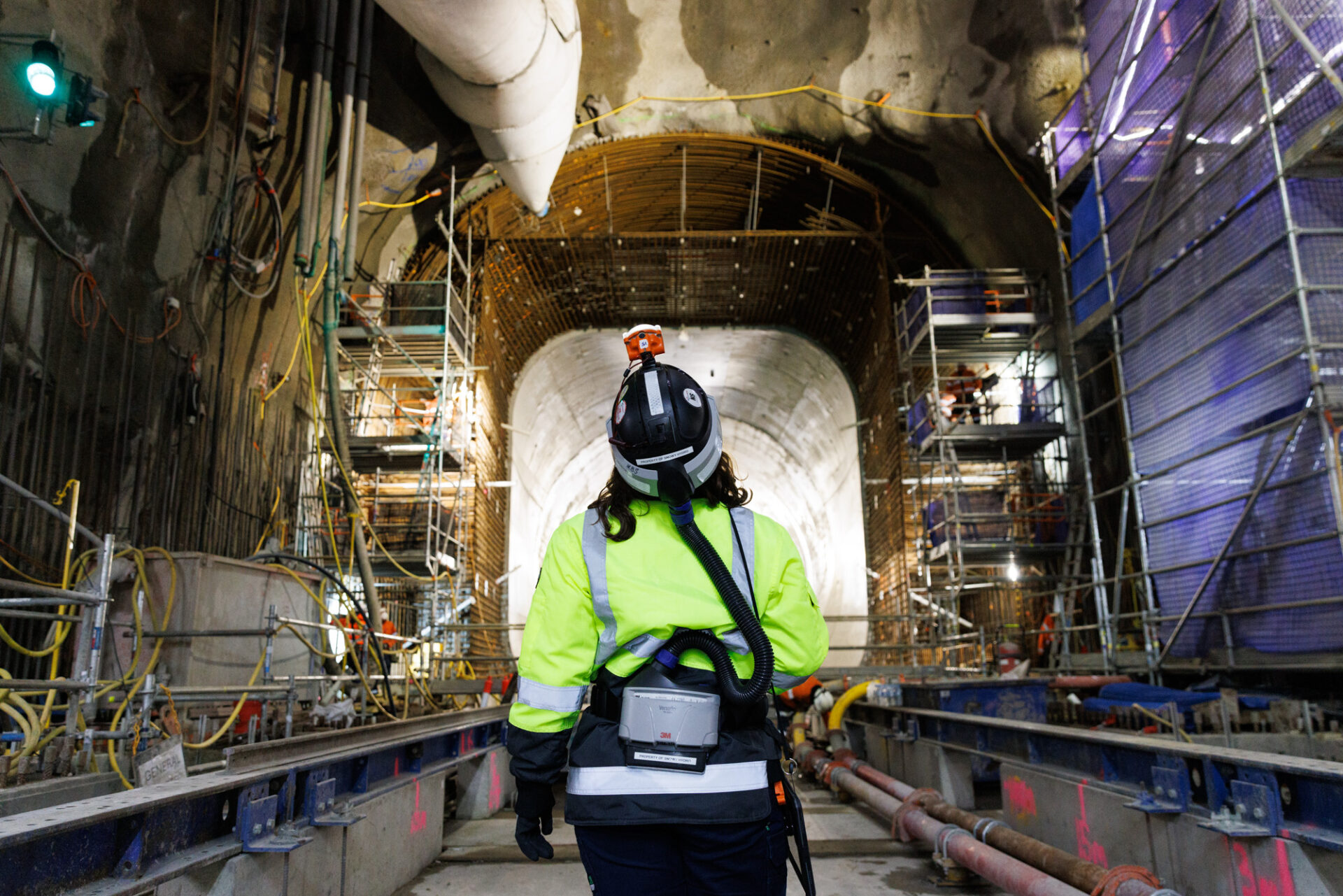
To say Snowy 2.0's delivery is hard is an understatement. Its scale is mind blowing. Its uniqueness means there is much we have to learn as we go. We are building a power station the size of the Sydney Opera House nearly a kilometre underground, while forging more than 40 kilometres of tunnels through nightmarish geology.
The fact the project is in a fundamentally different position than it was at the 2023 reset is also critical to the context. At the reset, only 44 percent of the construction design was complete. Today that figure is 96 percent, meaning the design immaturity that has impacted the project's performance and has driven much of the cost increases is largely behind us.
This year we've seen tunnel boring machine Lady Eileen Hudson finish its job after excavating its second tunnel, while Australia's most famous tunnelling machine Florence is nudging the halfway mark on its 15-kilometre mission. Last month work began to build the underground power station, marking a new phase of the project.
If we hadn't moved away from a fixed price contract in 2023, I have no doubt we would be announcing a far greater budget increase, likely with the project stalled by contractor claims, as was the case before the reset. Now, Snowy 2.0's delivery is gaining momentum and is in its strongest position yet.
As coal power stations retire, our grid requires dependable, large-scale back-up to manage the natural variability of renewable generation. While the rollout of batteries is vital, short-duration storage alone cannot sustain the power system through multi-day periods of low wind and solar generation. Relying solely on short-term capacity during prolonged generation lulls risks energy security and driving up wholesale power prices.
Snowy 2.0 fills this critical gap. With the unique ability to generate continuously for days, its world-leading pumped hydro provides the deep, long-duration storage Australia's energy security needs. It will be Australia's biggest battery.
To understand the value of this investment, consider the sheer scale and operating life. Snowy 2.0 will provide 350,000 megawatt hours of energy storage, enough to power three million homes for a week, or the equivalent of roughly 26 million home batteries.
Snowy 2.0 will be a national asset designed to operate for 150 years owned by all Australians. Like the original Snowy Scheme, it is a generational investment built to be the quiet workhorse of the grid long after coal plants are a memory. This is about building something that will last.
I feel immensely proud of the more than 5,000 people delivering the project and what their efforts will mean for our future energy security. As a custodian of public investment, I also feel the weight of this now third cost increase.
Snowy has taken action to control costs and improve contractor productivity. We directed FGJV to establish an operational Project Controls Office, backed by independent experts, to track daily site productivity and catch emerging risks early. We established a new Board Oversight Committee, including external megaproject specialists, to scrutinise execution. We also insisted on changes across FGJV's site leadership, appointing a new Project Director and seasoned megaproject leaders to drive daily delivery on the ground.
Crucially, around 80 percent of the project's total investment is being spent here in Australia, supporting local businesses, regional suppliers and domestic jobs.
Like the original pioneers of the Snowy Scheme, we are focused on the long game. We are securing Australia's energy sovereignty and building the backbone of a reliable, lowest-cost energy future for our children and grandchildren.
The goal is well worth the climb.
Dennis Barnes, CEO, Snowy Hydro


