
From Yogyakarta to Tomohon to Bogor, ABC News journalist Emma Field recently visited ACIAR-supported projects in Indonesia as part of her prize for winning the Crawford Fund's Food Security Journalism Award. She witnessed firsthand the impact of Australia-Indonesia collaboration on food security, livelihoods and resilience, and met the people driving this change.
Healthy fruit, happy farmers
Ms Field's first stop was Yogyakarta, on the island of Java. Here, the focus of the project led by NSW Department of Primary Industries and Regional Development, was on the fight against huánglóngbìng (HLB), also known as citrus greening disease, the most devastating threat to citrus growers in Indonesia. Ms Field spoke to researchers and listened to stories from local citrus smallholder farmers.
'When citrus plants become infected with HLB, production drops, forcing businesses to halt operations and cutting farmers' income and affecting their families' lives,' said Professor Siti Subandiyah from Universitas Gadjah Mada.
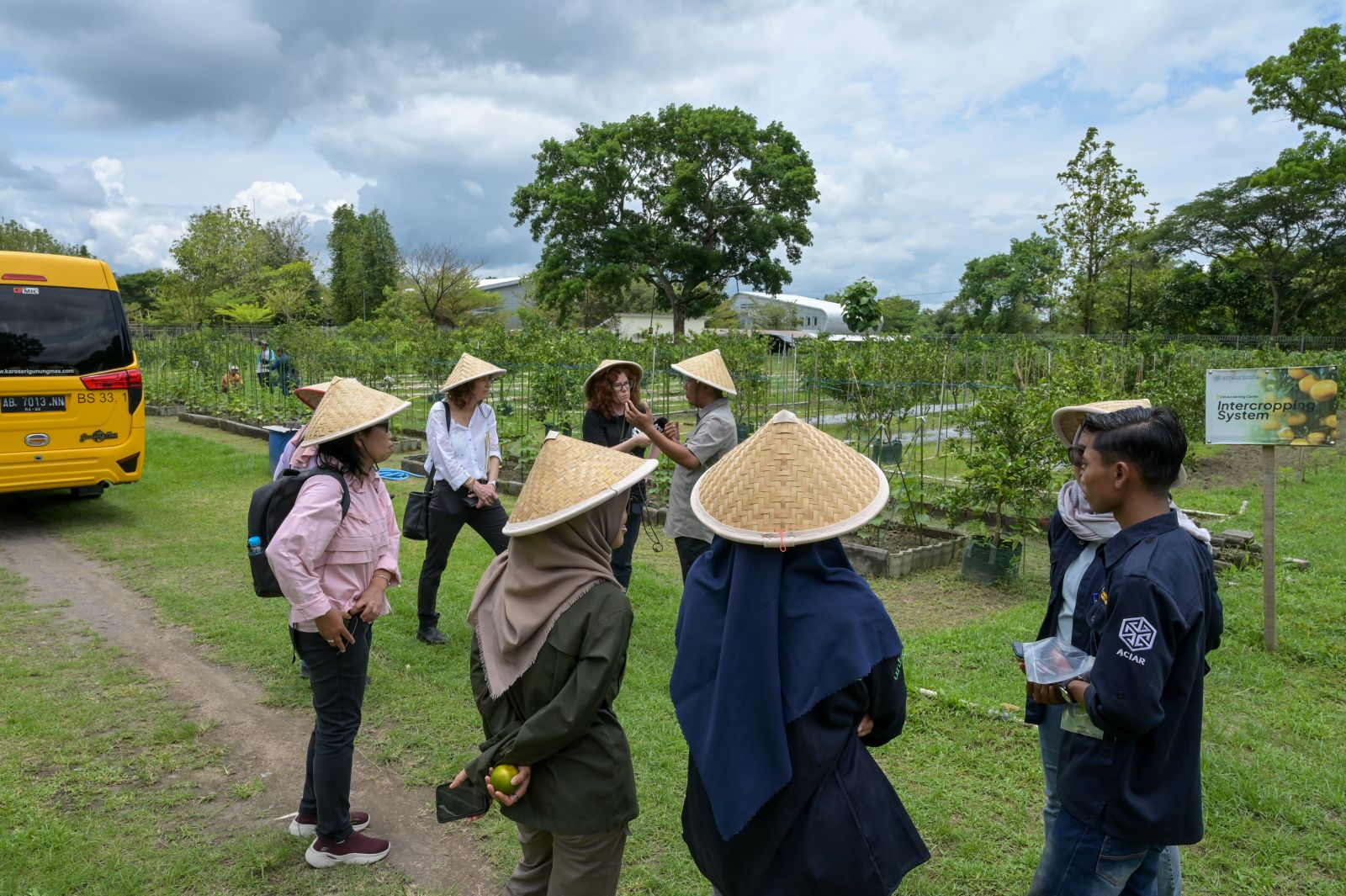
The project is pioneering early detection, management and training approaches. Professor Subandiyah shared with Ms Field how local smallholder citrus farmers are learning to identify and manage HLB, protecting up to 80% of their household income.
Professor Subandiyah said she is optimistic that Indonesia can successfully manage this disease through integrated pest management strategies.
'With farmers increasingly learning new techniques and remaining receptive to advice, there is confidence that progress will continue.
'Ultimately, these efforts aim to help smallholder farmers increase their income from citrus while providing consumers with healthy, high-quality fruit,' she added.
In addition to farmers, the project also strengthens scientific capacity, giving Indonesian students valuable hands-on research experience.
For Australia, where HLB is not yet present, this collaboration is vital for biosecurity, strengthening early warning systems and regional surveillance to prevent a potential crisis that could cripple the citrus industry and disrupt export markets.
Tapping tourism with mushroom boom
In Tomohon, on the island of Sulawesi, Ms Field met mushroom farmers and HORECA (hotels, restaurants and catering) entrepreneurs to learn how an ACIAR-supported project, led by the University of Adelaide, is helping smallholder farmers meet the growing demand from the booming tourism sector.
This participatory research brings tourism stakeholders together to identify the local products they need, and engages farming communities to build capacity and lift standards. This collaboration ensures producers can meet the requirements of the growing tourism industry and consistently deliver quality products that align with market expectations.
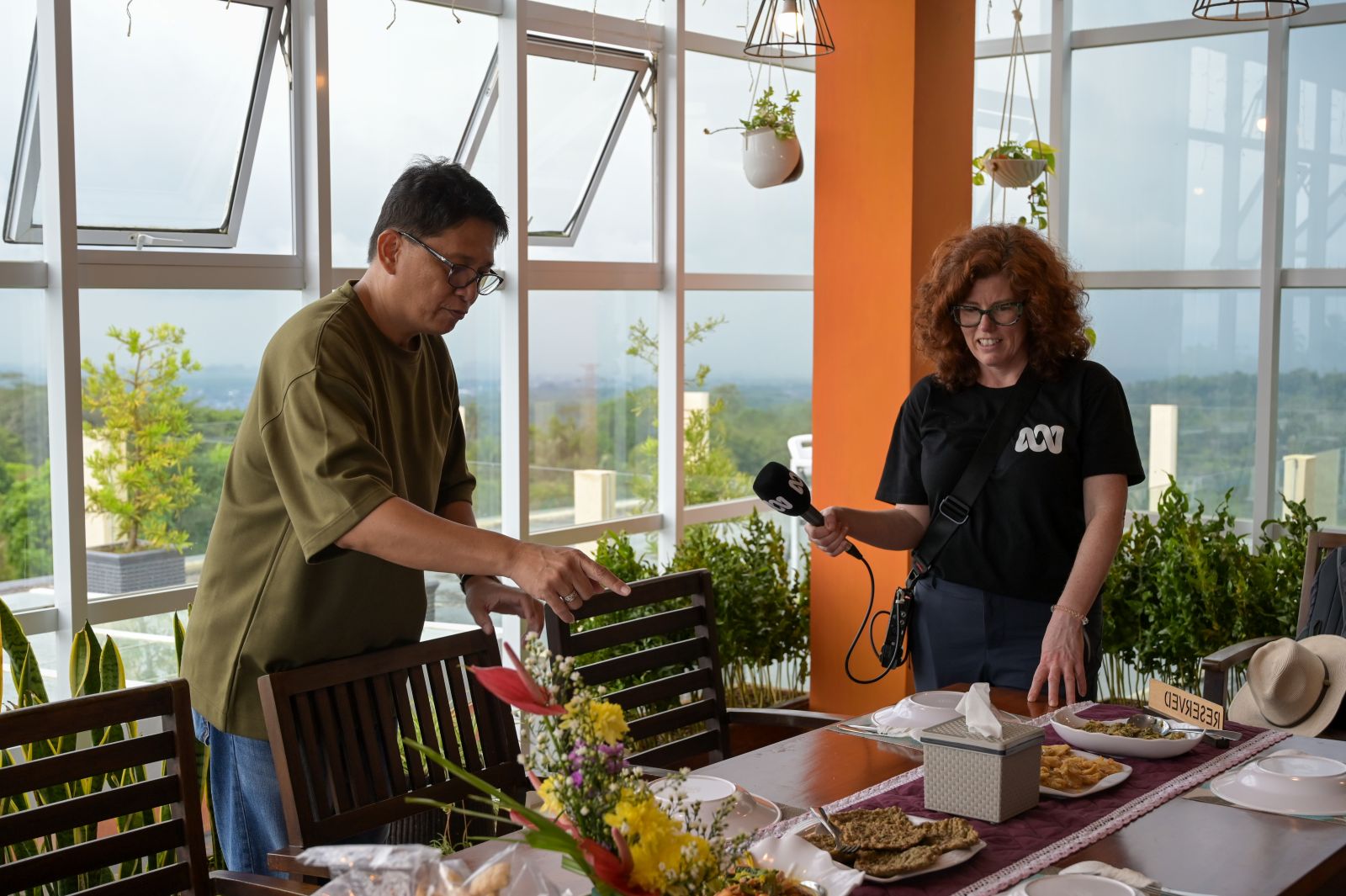
'Although mushrooms offer numerous health benefits, oyster mushrooms remain unfamiliar to many locals, and there are few farmers cultivating them,' said Dr Gregoria Sri Suhartati Djarkasi from Universitas Sam Ratulangi.
'This project is creating employment opportunities for local farmers while promoting the consumption of locally-grown produce,' added Dr Djarkasi.
Farmers and business owners Ms Field spoke to expressed enthusiasm about continuing their collaboration to increase mushroom production, which will help boost tourism, strengthen food security for local households and increase household income.
The project is also introducing interventions such as piloting new mushroom varieties and improving packaging.
For Australia, the lessons learned in value chain development and participatory research offer insights that can improve agribusiness performance and biosecurity at home. The project also strengthens Australia's ties with Indonesia, supporting safe, high-quality food for tourists and locals alike.
Churning change
Back on the island of Java, in Bogor, Ms Field met with researchers and policymakers involved in the Central Queensland University-led IndoDairy 2 project, which focuses on strengthening village-level dairy cooperatives to deliver better services and help farmer members participate more effectively in the value chain. She also shared heartwarming conversations with local dairy farmers from the first project, hearing their stories of resilience and pride in building a better future for their families.
The new project's extended impact includes stronger policy networks, such as the Dairy Policy Advisory Committee, a multi-stakeholder collaboration platform that supports evidence-based policy for a sustainable dairy sector in Indonesia.
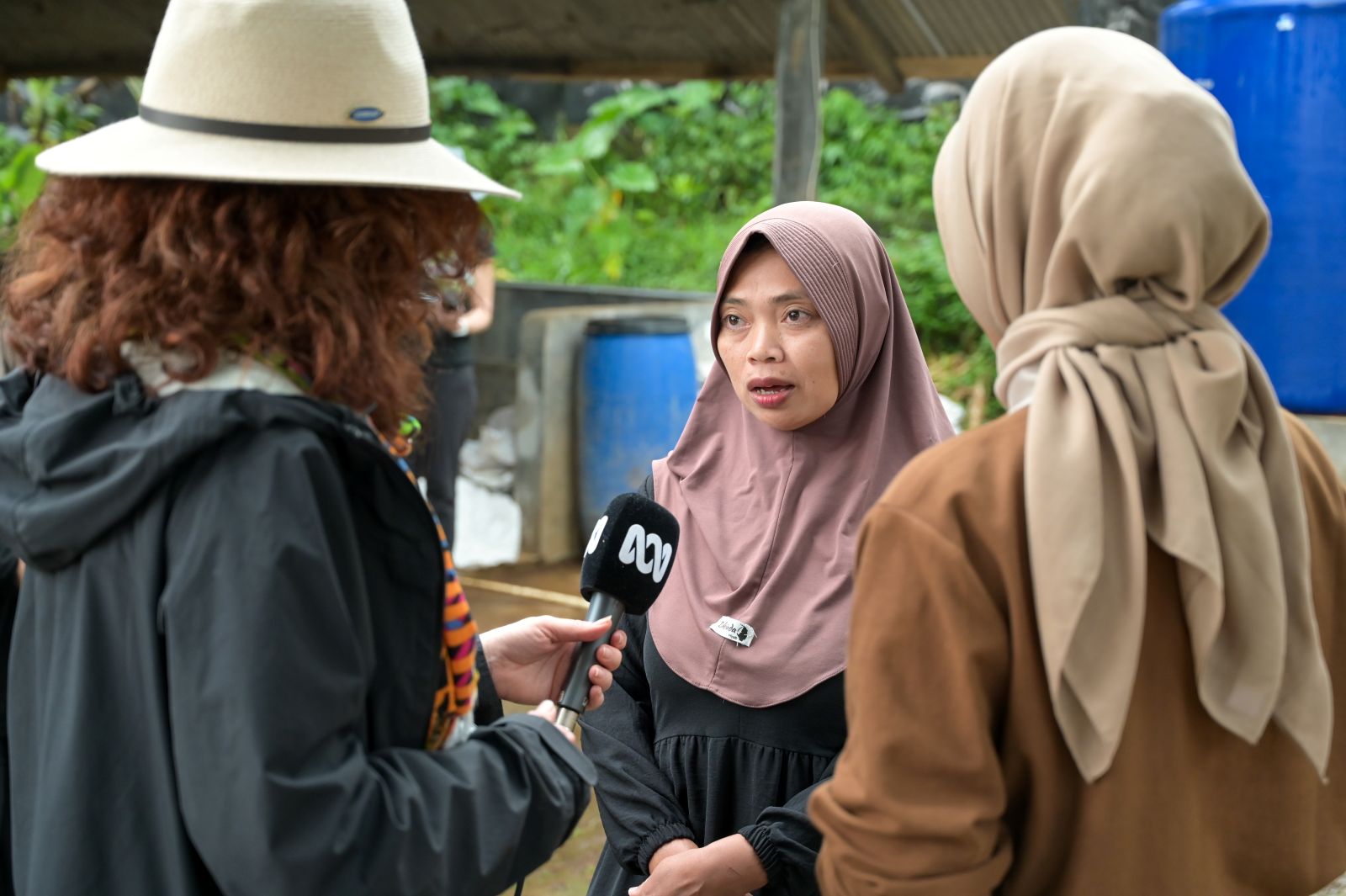
Meanwhile, the first project improved local food security and nutrition by increasing the supply of safe, high-quality fresh milk. It also boosted smallholder incomes and productivity through inclusive business models and better access to feed, finance, information and markets.
It strengthened women's participation through discussion groups and hands-on activities. Ms Martini shared how these initiatives helped her build strong bonds with local researchers and form new friendships with Australian colleagues. She emphasised that the discussion groups made her feel truly seen, heard and valued as a woman.
For Australia, the project offers opportunities for knowledge exchange in animal health, genetics, and cooperative models, while reinforcing regional food security and economic ties.
A shared, safe future
Throughout her journey, Ms Field captured inspiring stories of innovation and partnership.
'It is so important to share these stories of impact with Australians, helping them appreciate the vital role agricultural research plays in food security,' said ACIAR Outreach Director, Michelle Nakamura.
'By showcasing these achievements, we are building stronger connections between research, communities and the future of sustainable food systems. We are thrilled to see the Crawford Fund and Australian journalists like Ms Field contributing to this effort.'
After witnessing first-hand the impact these projects bring to communities, Ms Field reflected, 'There is no point in research that is done in a lab and written in a paper but never applied out in the real world.
'The projects I have seen on this trip have researchers and collaborators applying research to improve production and communities in Indonesia.'
She also emphasised the importance of collaboration, saying, 'Australia is such a close neighbour, so it is well in our interest to support our Indonesian cousins if we can, because when populations have food security and can earn a decent day's pay for their production, we all live in a safer world.'
For Ms Field, the highlight was the human connection. 'The best part about this visit was being able to speak with Indonesian farmers, community members and researchers who are deeply involved in the projects and innovation in their own industry.'
'What a privilege it was to sit with these community members on their farms and in their offices to hear their stories.'
The visit, organised by the Crawford Fund with support from the ASEAN-Australia Centre and ACIAR, shows how collaboration can build a safer, more sustainable future for both countries.


