
A new book reframes long-held assumptions about the denial of Black identity in the Mexican port city of Veracruz.
When cultural anthropologist Karma Frierson traveled to the port city of Veracruz to conduct research, she intended to study Black people in Mexico. Instead, her research became an exploration of a city with people who may not necessarily identify as Afro-Mexican, but who were nonetheless knowledgeable and, in some instances, deeply connected to Mexican Blackness.
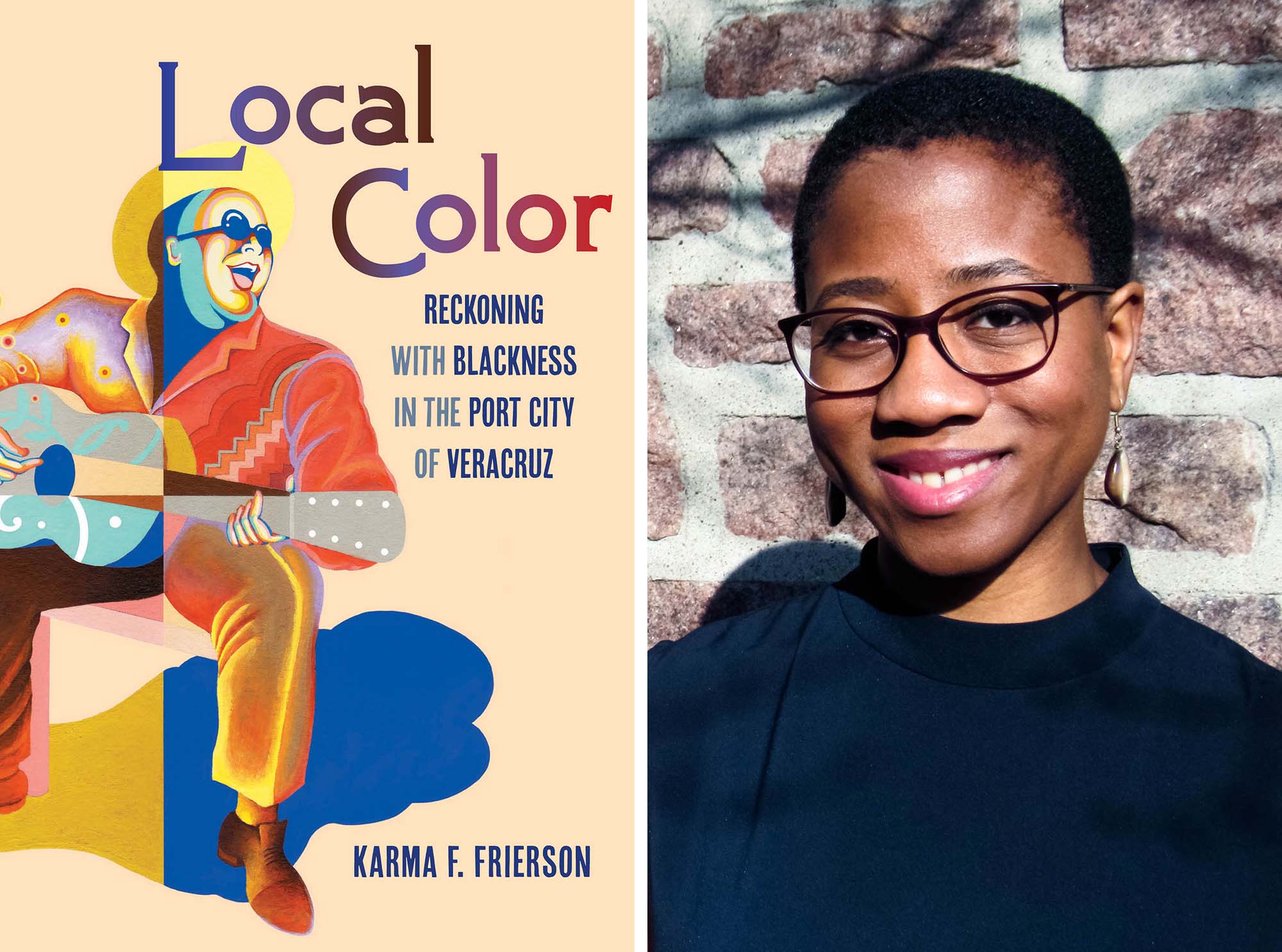
Frierson's book Local Color: Reckoning with Blackness in the Port City of Veracruz (University of California Press, 2025) is the culmination of two years of research. Prior to joining the University of Rochester's Black studies faculty in 2024, she spent nearly a decade visiting and living in Veracruz, located on the coast of east-central Mexico.
The book examines how Veracruzanos-natives or residents of the city-reckon with the Afro-Caribbean roots of their history, traditions, and culture. The Afro-Mexican population, which has struggled for recognition, was added as a category in the Mexican census for the first time in 2020.
"Local color is an homage to the people who have been on the receiving end of a new-to-them narrative about Mexico's Blackness and what they did with that narrative," says Frierson.
Public spaces offer lessons on Afro-Mexican heritage
From 2014 to 2016, Frierson conducted research on African heritage and influence in Mexico-a legacy Mexican residents refer to as "the third root," the first two being their Indigenous and Spanish origins.
While immersing herself in the region's communities, she observed various local affinity groups that cohered around the places and practices associated with jarocho (pronounced ha-RO-cho) legacy and traditions. (During the colonial era, the Spanish word jarocho referred to people of mixed Indigenous and African ancestry; since the 20th century, it has been used throughout Mexico to mean people from Veracruz more broadly.) In the book, Frierson refers to the affinity groups she focused on as jarocho publics.
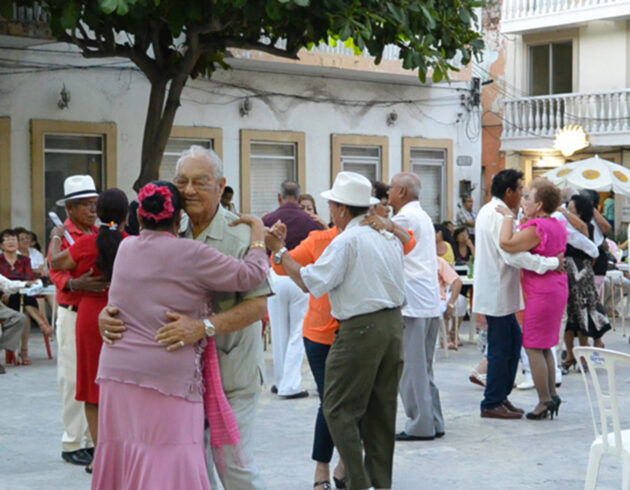
Frierson studied local musical traditions and attended talks, among other activities, to build rapport and gain understanding. Her participation in local life broke the ice and made locals comfortable opening up about their heritage.
"They knew I was there to study the third root," she says. "I spent that time sitting with people, dancing with people, playing music, drinking coffee with people, and understanding their lives and how Blackness is incorporated into their lives."
Frierson's interest in learning more about the African legacy in Mexico was sparked while living in California after earning an undergraduate degree and working for an education nonprofit before graduate school. In 2009, after viewing the exhibition The African Presence in México: From Yanga to the Present at the Oakland Museum of California, she left with the impression that the Gulf State of Veracruz had a rich history. And yet she wondered about its Black present.
Expanding what it means to be Black in Mexico-and around the world
Before conducting fieldwork in Veracruz, Frierson found that many scholars who had traveled to the port city concluded that Black residents in Veracruz were in denial about their Afro-Mexican roots. Upon her own arrival in Veracruz, Frierson quickly understood why these previous researchers came to that conclusion.
Frierson recalls initial conversations with locals during which she inquired about the Black Mexican population in Veracruz and was told, "There are no Black people here anymore." Or, Frierson says, it was not uncommon to encounter someone in Veracruz who says, "I am not Black," even though in the United States, they would be characterized as such.
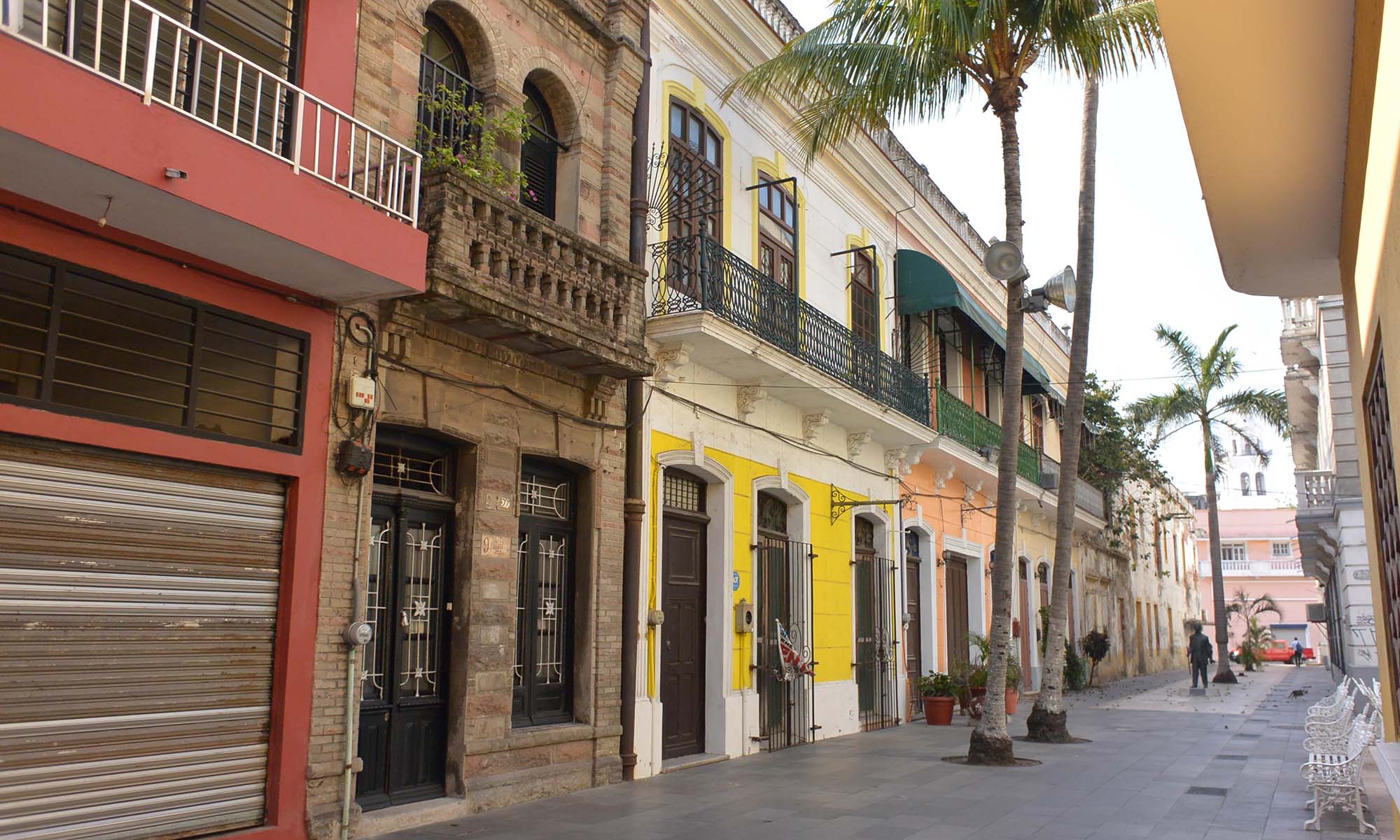
Yet once Frierson engaged in more sit-down talks and participated in community activities, the discussion shifted. In time, the Veracruzanos she interviewed would voluntarily acknowledge their connections to Afro-Mexican heritage, clarifying that "this thing I do is Caribbean."
"I don't think of that as denial," Frierson says. "Just because they might not self-recognize as the political subject of being Black Mexican or Afro-Mexican doesn't mean they are denying Blackness." In fact, she argues, by misguidedly privileging self-recognition or self-identification as Black, "we are going to miss the broader impacts of the African diaspora not only in the Americans specifically, but also in the world more broadly."
Frierson hopes academics and a general audience take many things away from Local Color. Perhaps most importantly, the book functions as a call for nuanced definitions about what constitutes Blackness in the world, beyond the narrowness of physical bodies and skin color.
"I want people to think more expansively about Blackness and its generative possibilities-world-making, place-making," she says. "And if we think more expansively, we can get to a more productive understanding of why it matters."


