
Professor Gerry McGivern and tech broadcaster Lara Lewington explore how wearables, apps and AI could keep us healthier for longer.
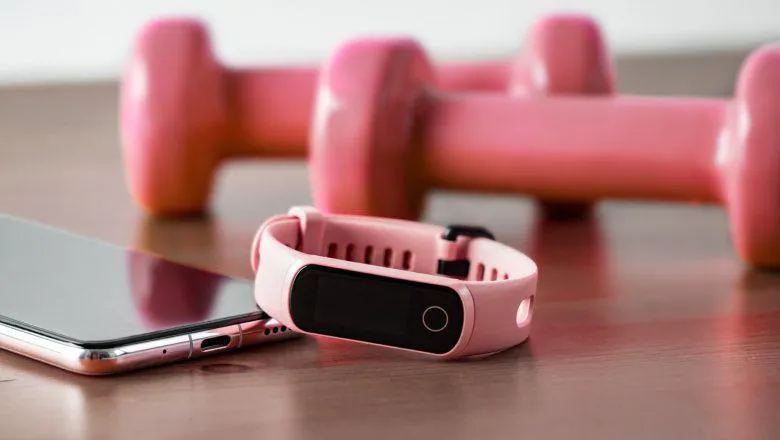
Sleep trackers that expose the truth about your late nights. Continuous glucose monitors that reveal unexpected sugar spikes from "healthy" juice. Apps that nudge you into better habits long before illness appears. For many people, health tech is becoming part of daily life.
But according to Professor Gerry McGivern, these tools could do much more than count steps. Speaking on the latest episode of King's Business School's Office Hours podcast, he argued that AI and personal data can help people stay healthier for longer, easing pressure on health services:
"Technology is already helping us sleep better, eat better and detect diseases earlier. The challenge is ensuring these innovations reach everyone and that we invest for the long term rather than reacting to the next crisis."
The episode also features broadcaster Lara Lewington, author of Hacking Humanity: How technology can save your health and your life, who discussed how technology is changing our expectations of health, particularly among younger people taking a proactive approach. From sleep apps to personalised nutrition, digital tools are helping people understand what works for their own bodies, not just what works on average.
Lara has been putting that theory to the test by wearing multiple wearable devices that track everything from sleep quality to blood sugar stability. The results can be unexpectedly revealing. A seemingly virtuous vegetable juice triggered her biggest glucose spike of the day, while ice cream eaten during a post-dinner walk stayed comfortably within a healthy range:
"It shows that we are all different, and small changes can make a real difference. That's not to say ice cream is better for you, but the order we eat things in does matter."
She also highlighted how quickly once-elite technologies have become accessible. Sequencing the first human genome cost around $3 billion in 2003. Today, anyone can do for a few hundred pounds, but we need to interrogate how useful that data is now:
"There is a lot we don't understand yet, and although there may be some useful take-aways, we must be careful to focus on actionable data and not scare ourselves. In the future though, the power of this done within healthcare will be huge, as it will play into not just understanding our risk for disease, but also how medicines will work for us."
Professor McGivern warned that while health tech creates huge opportunities, governments must think beyond electoral cycles to realise the full benefits. He said illness prevention takes time to show results:
"We talk about having a health service, but we still largely have a sickness service. We need to be brave enough to invest early so we prevent more disease later, especially as populations age and resources become ever more stretched."
Both guests acknowledged that innovation will only succeed if people trust how their health information is used. Research shows that the public are generally more comfortable with the NHS holding their data than technology companies, particularly if it supports earlier diagnosis or better care. But high-profile data breaches can undermine confidence quickly.
Lara said:
"There is a trade-off. We need strong guardrails, clear communication and a focus on real human benefit."
Professor McGivern added that success depends on public trust in how data is governed and shared:
"We have to make sure data is used in ways that deliver public value. If people feel it is being exploited for commercial gain, confidence will drop and the benefits will not materialise."
Both guests pointed to promising innovation already under way across the NHS, from wearable tech supporting recovery after surgery to AI systems spotting early signs of cancer. But making prevention the default will require political certainty, incentives that support the public interest and trust in how personal health data is used.
Professor McGivern's research examines how new technologies move through the "hype cycle": early excitement, followed by disillusionment, before a more realistic phase when they find their place in systems and services:
"AI is here and it is going to transform healthcare. The real question is whether that transformation will benefit everyone".
Listen to the latest episode of Office Hours, hosted by King's Business School student Sophia Chan, by visiting the episode's page.


