
ANSTO hosted an international training workshop on Pacific isotope hydrology at its Lucas Heights facility in Sydney from 16 - 20 March 2026, bringing together experts and water resource practitioners from across the Pacific and partner organisations.
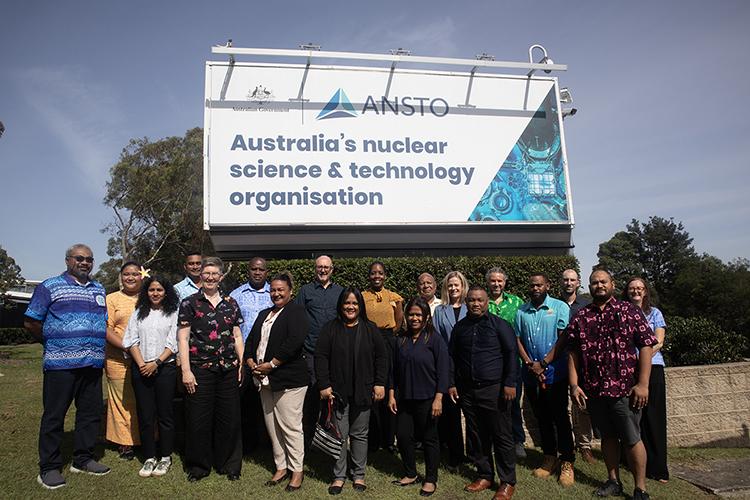
The workshop was delivered under the International Atomic Energy Agency (IAEA) Subregional Approach to the Pacific Islands (SAPI) programme, through the regional technical cooperation project RAS7041: Developing an Effective and Sustainable Implementation of Integrated Management of Water Resources and Related Ecosystems.
The training aimed to strengthen national capacities across Pacific Island countries to apply isotope hydrology techniques to better understand and manage groundwater, surface water, and coastal aquifer systems - critical for water security in small island developing states.
Participants from countries including Cook Islands, Fiji, Marshall Islands, Palau, Papua New Guinea, Samoa, Vanuatu and the Maldives attended the five-day workshop, alongside experts from the IAEA, ANSTO, and Dr Bruce Dudley from Earth Sciences New Zealand.
The program opened with welcoming remarks from ANSTO and an introduction to the objectives of the training, followed by presentations from participating countries outlining their water resource challenges and current monitoring capabilities.
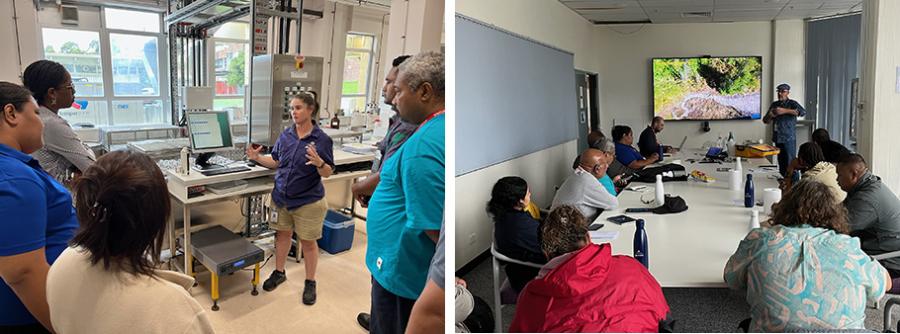
IAEA expert, Jhenelle Williams, provided an overview of the role of nuclear techniques in addressing water resource challenges faced by small island states, highlighting how isotope methods can reveal the origins, movement, and age of water resources.
Throughout the week, participants took part in a mix of lectures, laboratory demonstrations, and field exercises, designed to provide both theoretical understanding and practical skills.
Key topics included:
- Fundamentals of isotope hydrology and the hydrological cycle
- Applications of stable and radioactive isotopes in groundwater and surface water studies
- Monitoring precipitation isotopes and establishing GNIP rainfall stations
- Groundwater dating using tritium and carbon-14
- Applications of radon-222 and sulfur-35 tracers to understand groundwater systems
- Water quality tracing using carbon and nitrogen isotopes
- Data quality control and interpretation of isotope datasets
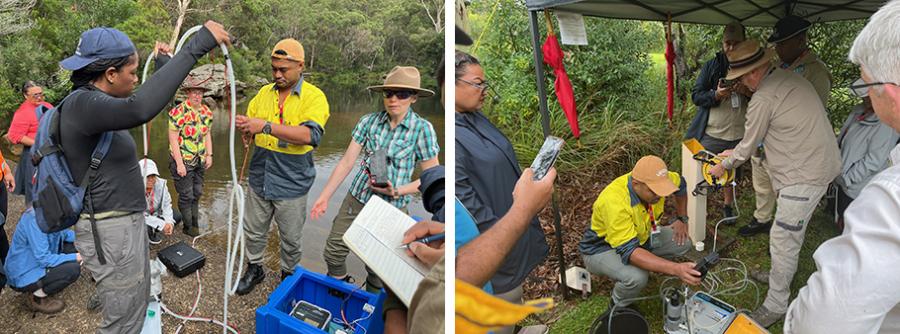
Hands-on sessions allowed participants to practice rainfall sampler construction, isotope water sampling techniques, groundwater monitoring, and data interpretation using real hydrological datasets.
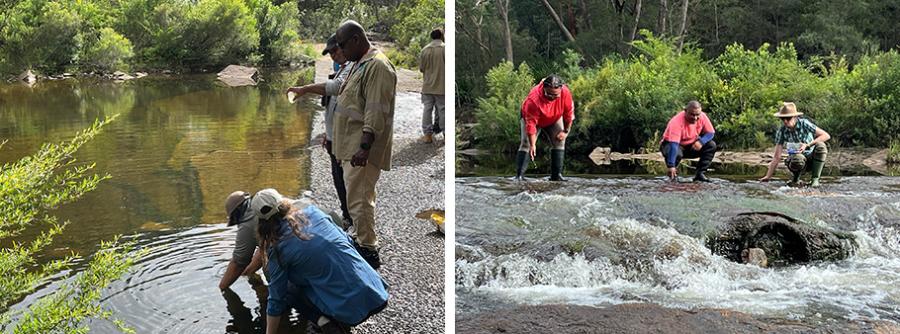
A highlight of the workshop was fieldwork conducted on the Woronora River, where participants gained practical experience in stream sampling, field parameter measurement, and groundwater-surface water interaction studies using radon tracer techniques.
Participants also conducted groundwater pumping and sampling demonstrations near ANSTO Lucas Heights, learning how isotope techniques can be integrated with conventional hydrogeological methods to assess aquifer systems.
The workshop concluded with group exercises where participants designed isotope hydrology investigation plans tailored to their own national water challenges, which they presented and discussed with experts and peers.
Dr Cath Hughes (Principal Research Scientist - Isotope Hydrology), the ANSTO coordinator for this course, said, "It has been a privilege to host colleagues from across the Pacific at ANSTO this week.
"Building capability in isotope hydrology is not only a scientific endeavour - it is an investment in the long‑term water security and climate resilience of our region.
"The exchange of knowledge, expertise and lived experience throughout this workshop has been invaluable".
The SAPI programme encourages collaboration among Pacific Island countries and regional scientific centres to strengthen long-term monitoring networks and build sustainable technical capacity in water resource assessment.
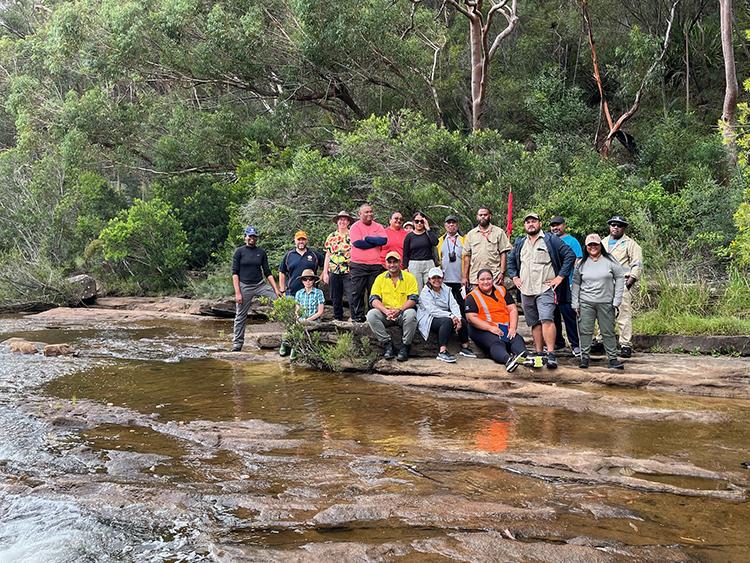
Through initiatives such as this training workshop, ANSTO is supporting Pacific countries and the Maldives to build technical capability and evidence-based approaches to water resource management, and to strengthen peer networks. These efforts contribute to improving water security and climate resilience while strengthening regional partnerships in nuclear science and technology.
"This workshop reflects ANSTO's enduring commitment to supporting Pacific partners in strengthening water resource management through practical, science‑based collaboration.
"The relationships and capability built here are essential to helping countries respond to water security and climate challenges.


