Seven weaned elephant seal pups in California's Año Nuevo State Park tested positive for highly pathogenic avian influenza (HPAI) H5N1, the U.S. Department of Agriculture's National Veterinary Services Laboratory confirmed Tuesday evening.
The outbreak marks the first cases of HPAI H5N1 in marine mammals in California and the first detection in northern elephant seals. The disease decimated populations of a related species, southern elephant seals, in Argentina in 2023.
"This is exceptionally rapid detection of an outbreak in free-ranging marine mammals," said Professor Christine Johnson, director of the Institute for Pandemic Insights at the University of California, Davis' Weill School of Veterinary Medicine. "We have most likely identified the very first cases here because of coordinated teams that have been on high alert with active surveillance for this disease for some time."
Scientists at UC Santa Cruz and UC Davis increased disease surveillance of this population in recent years due to concerns about avian influenza's spread throughout North and South America.
"Given the catastrophic impacts observed in related species, we were concerned about the possibility of the virus infecting northern elephant seals for the first time, so we ramped up monitoring to detect any early signs of abnormalities," said Roxanne Beltran, a professor in Ecology and Evolutionary Biology at UC Santa Cruz. Beltran's lab leads UC Santa Cruz's northern elephant seal research program at Año Nuevo.
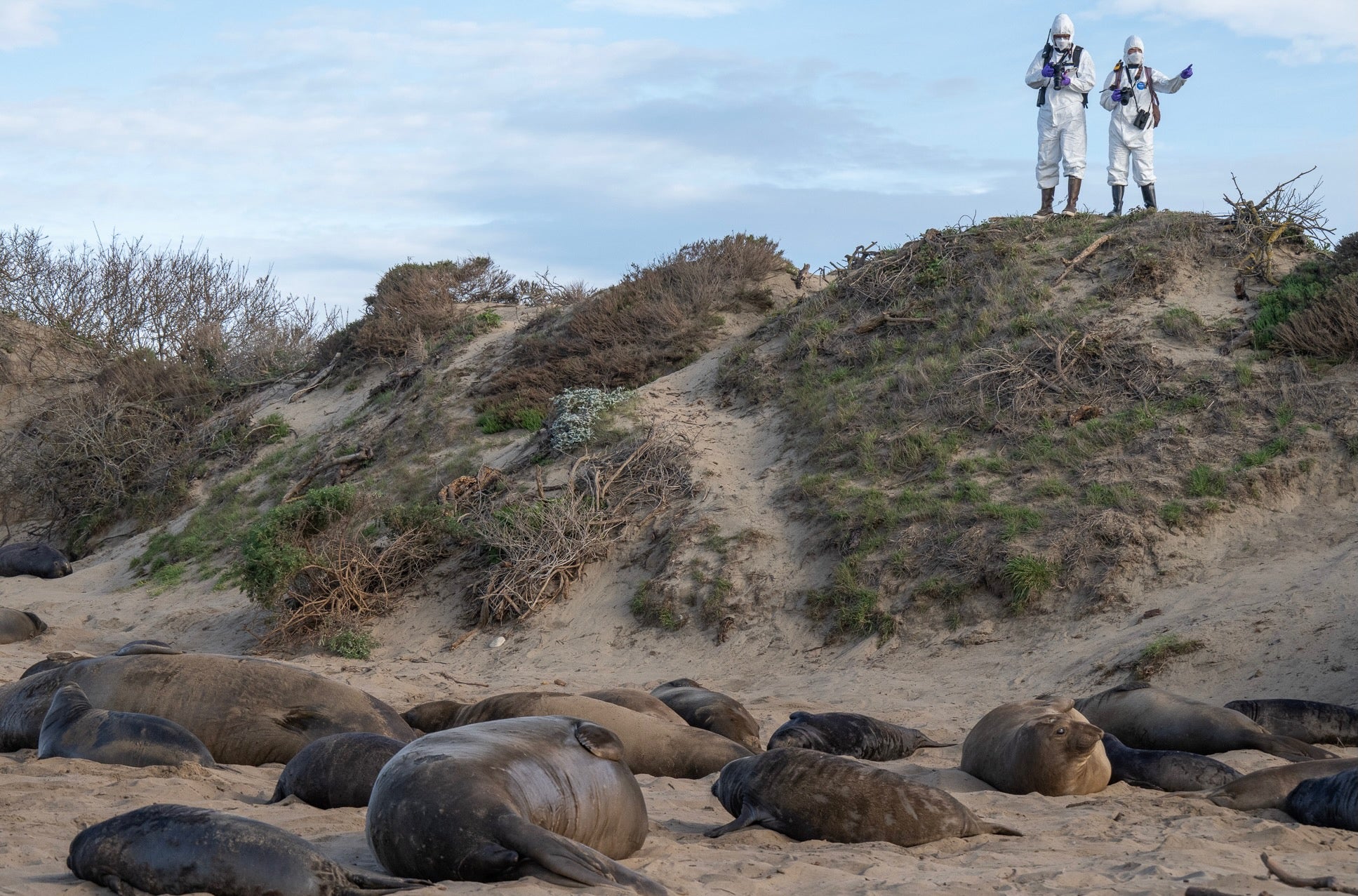
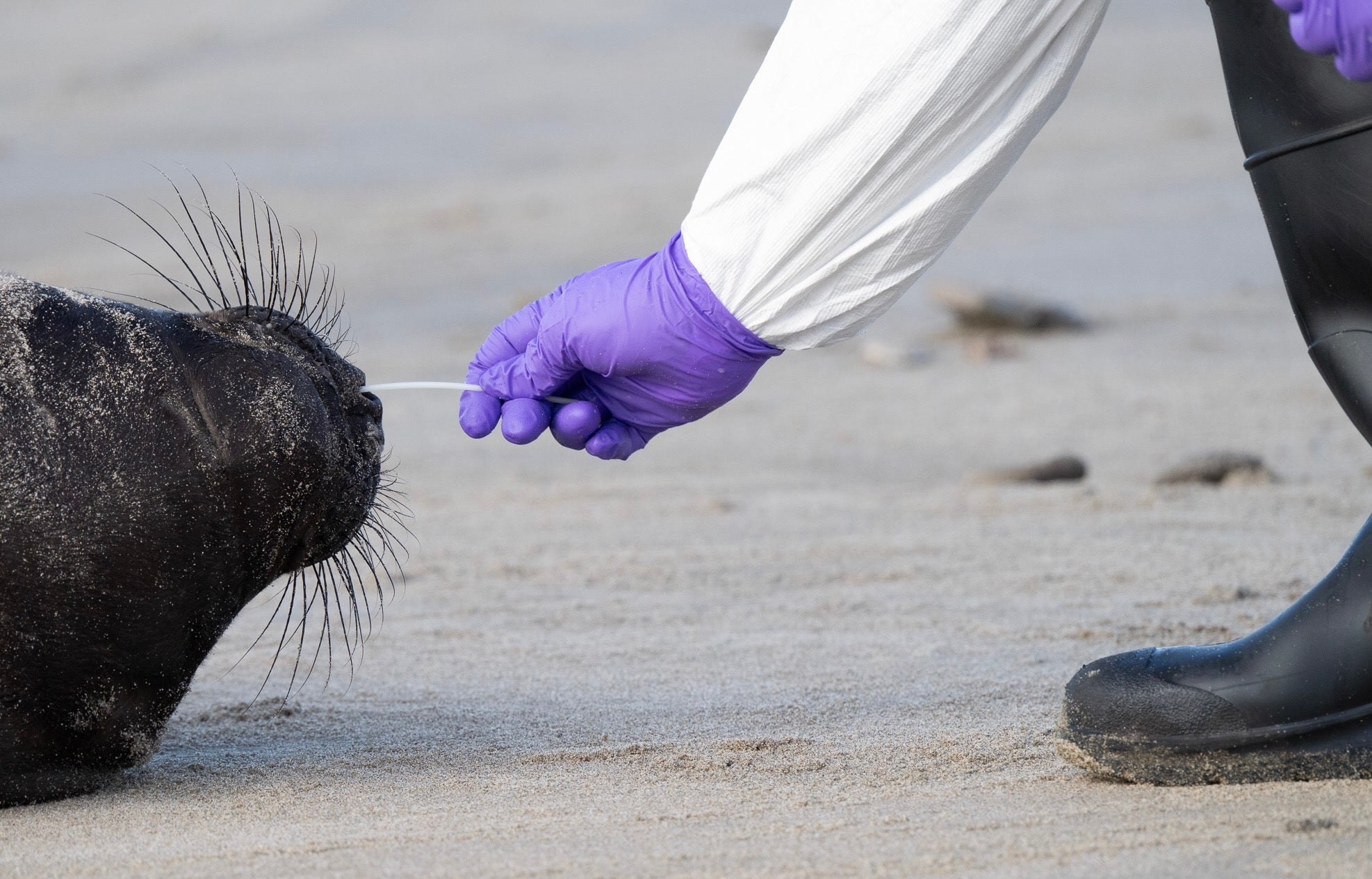
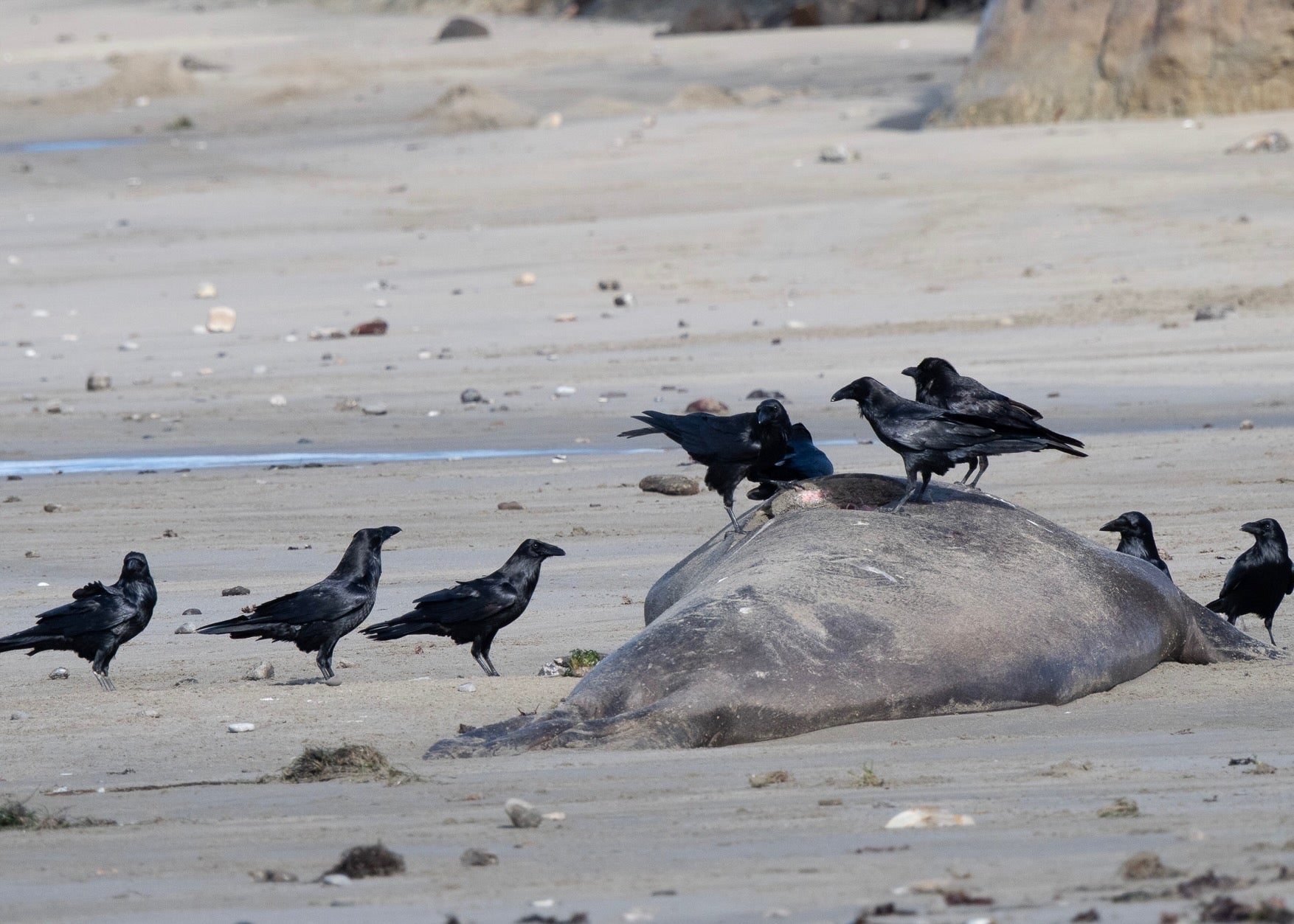
On Feb. 19 and 20, Beltran's team noticed seals at Año Nuevo Reserve with abnormal respiratory and neurological signs, including weakness and tremors. They collected samples from sick and dead elephant seals and took them to UC Davis for testing at the California Animal Health and Food Safety Laboratory System. Initial screening revealed the samples were positive for avian influenza, which the USDA's NVSL lab now confirms is HPAI H5N1.
Monitoring the colony
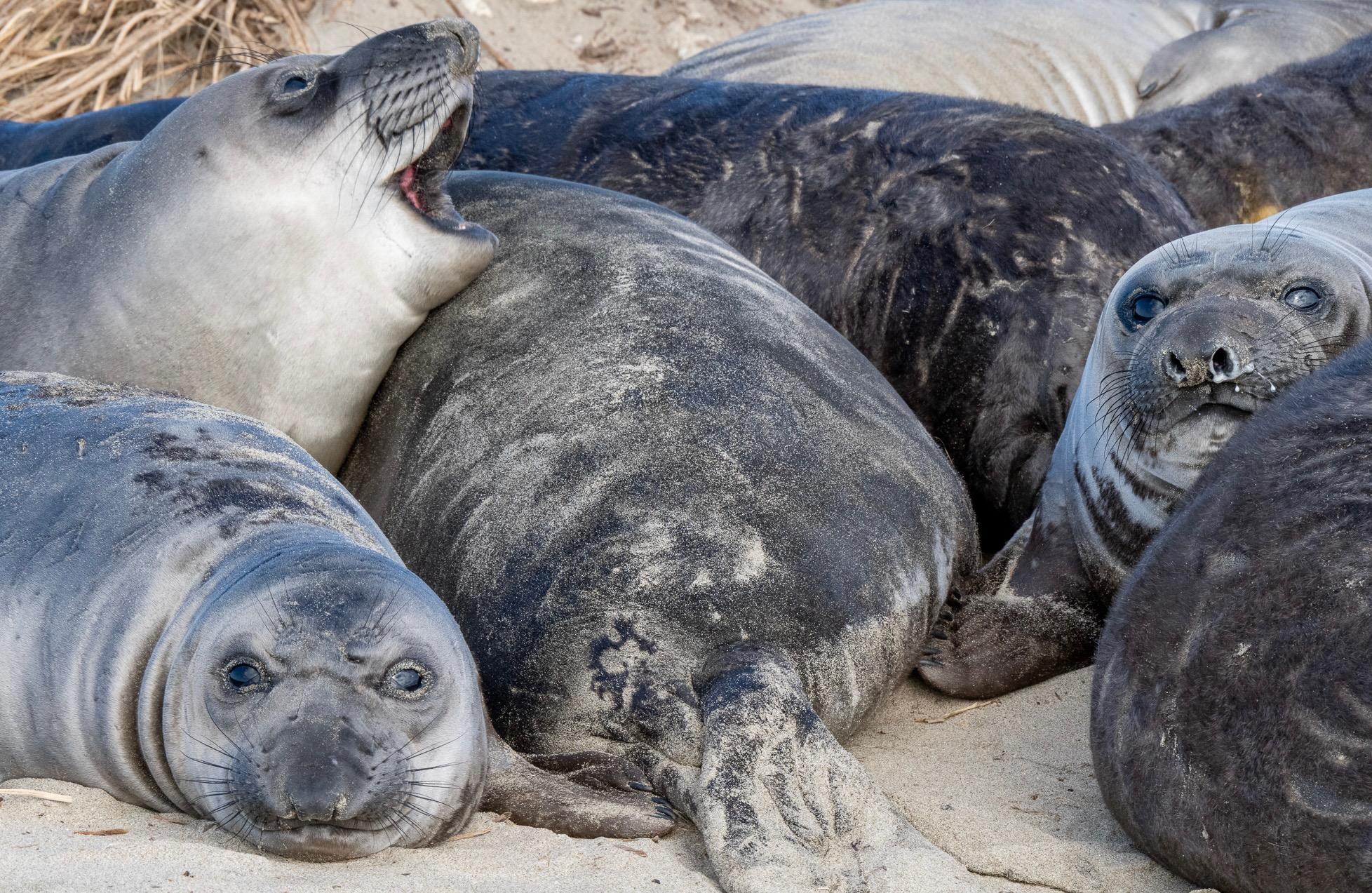
Año Nuevo State Park, just north of Santa Cruz, is home to an elephant seal colony with approximately 5,000 seals during the winter breeding season. About 1,350 seals were present on the beach when the outbreak began. California State Parks has temporarily closed public access to seal viewing areas and cancelled its popular guided elephant seal tours for the remainder of the season while officials investigate the wildlife health threat.
For six decades, researchers at UC Santa Cruz have been closely monitoring the colony, providing a unique opportunity to investigate the outbreak in individually identifiable seals and understand the potential near and long-term impacts to population health.
UC Davis scientists have been testing samples from marine birds and mammals at the park and other regions along the coast since 2024. The NSF Center for Pandemic Insights at UC Davis and UC Santa Cruz have been working together to increase surveillance at this site over the past two months in anticipation of a possible outbreak in seals.
The scientific team is now working closely with NOAA Fisheries, the California Department of Fish and Wildlife and the West Coast Marine Mammal Stranding Network to continue to monitor marine mammals along the coast.
"We are cautiously optimistic, as most of the adult females had already departed the beach for their routine migrations before the outbreak began, and most seals on the colony seem healthy," Beltran said.
People and pets should keep distance
While risk of infection to the general public is very low, HPAI can spread between animals and people. Do not touch live or dead seals or allow pets to approach them. This helps protect people and pets and also gives sick animals space.
If you encounter a sick, injured or dead marine mammal in California, Oregon or Washington, call the NOAA Fisheries West Coast Region Stranding Hotline: (866) 767-6114. Do not attempt to move sick wild animals, as this can spread disease and cause stress or harm to the animal.
Looking back and ahead
The H5N1 virus was discovered in 1996 in Southeast China on a domestic goose farm. It was transmitted within the poultry industry for several years, during which it spilled over into wild birds and humans and then spread to Europe, the Middle East, Africa and later to North America, South America and, in early 2024, to Antarctica.
The current outbreak of HPAI in North America was first detected in early winter 2021 in Newfoundland and Labrador, Canada. It has now been confirmed in nearly all U.S. states and Canadian provinces, in commercial poultry, backyard flocks, many species of wild birds, and several species of mammals, including humans.
Two previous HPAI outbreaks in U.S. marine mammals occurred in Maine in 2022 and Washington in 2023. These events were caused by direct spillover of virus from infected birds to seals.
Sustained wildlife surveillance and monitoring is a critical but ongoing challenge for preventing and detecting outbreaks globally. The NSF Center for Pandemic Insights at UC Davis, with collaborators at 12 other institutions, including The Marine Mammal Center and UC Santa Cruz, has been working to develop innovative technologies and methodologies - from chemical sensors to drones - to be able to scale up HPAI surveillance, especially in populations that are less monitored and often harder to access.
The team will generate weekly updates and continue to closely monitor and test samples collected from sick animals, conduct drone surveys and ensure systematic observations.