
Old trees are learning new tricks with the advent of composite materials. A "green composite" made from biodegradable polymers and the waste bark of the Yakushima Jisugi tree was developed by a research team at Tohoku University. When assessing the material, they found that simply testing its mechanical strength - in this case, its tensile strength or ability to resist pulling - could reliably predict the biodegradation process. Traditionally, scientists chemically test how much of a material remains after time has passed, applying processes that are costly in time and money.. Shifting assessment focus to how a material continues to safely function during the biodegradation process, the team said, could help better inform practical use of such products.
They published their results on January 20, 2026 in npj Materials Degradation.
"Biodegradable materials are often discussed in terms of how fast they disappear, but in real use, what matters most is how long they remain strong and reliable," said Lovisa Rova, doctoral student in the Graduate School of Environmental Studies at Tohoku University and a Japan Science for the Promotion of Science (JSPS) Fellow. "By linking mechanical strength directly to biodegradation, our work provides a practical way to think about the usable lifetime of biodegradable materials."
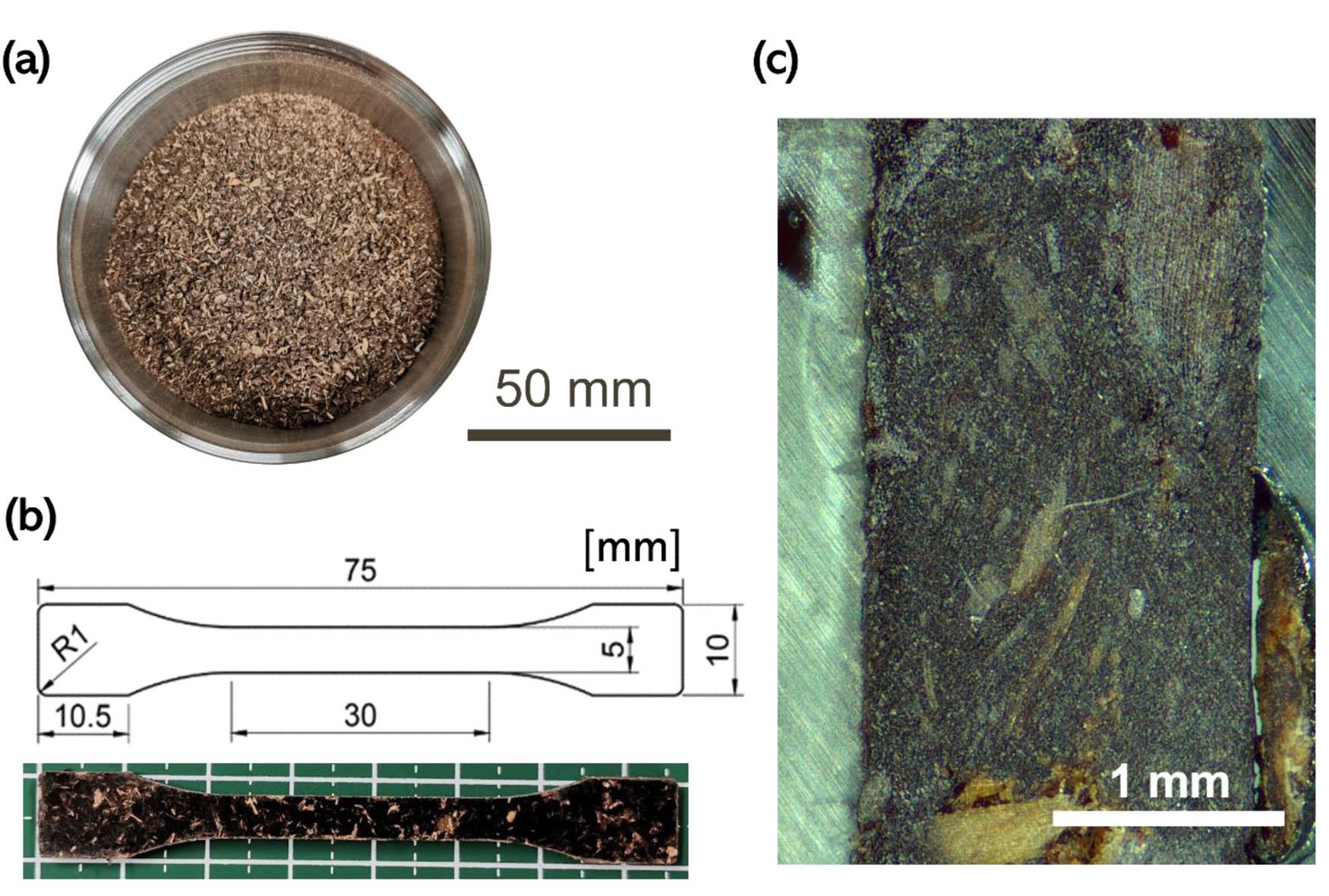
To develop their composite material, the researchers turned to polybutylene succinate (PBS), a type of polyester that can biodegrade in compost among other environments. It is readily available, but pricey and often composed ― by more than half ― of fossil fuel-based resources. The composite material contained about 40% PBS and 60% Yakushima Jisugi tree bark, a waste product of the lumber industry. The team then buried test samples of the material in compost and outdoor soil environments to simulate realistic degradation scenarios.
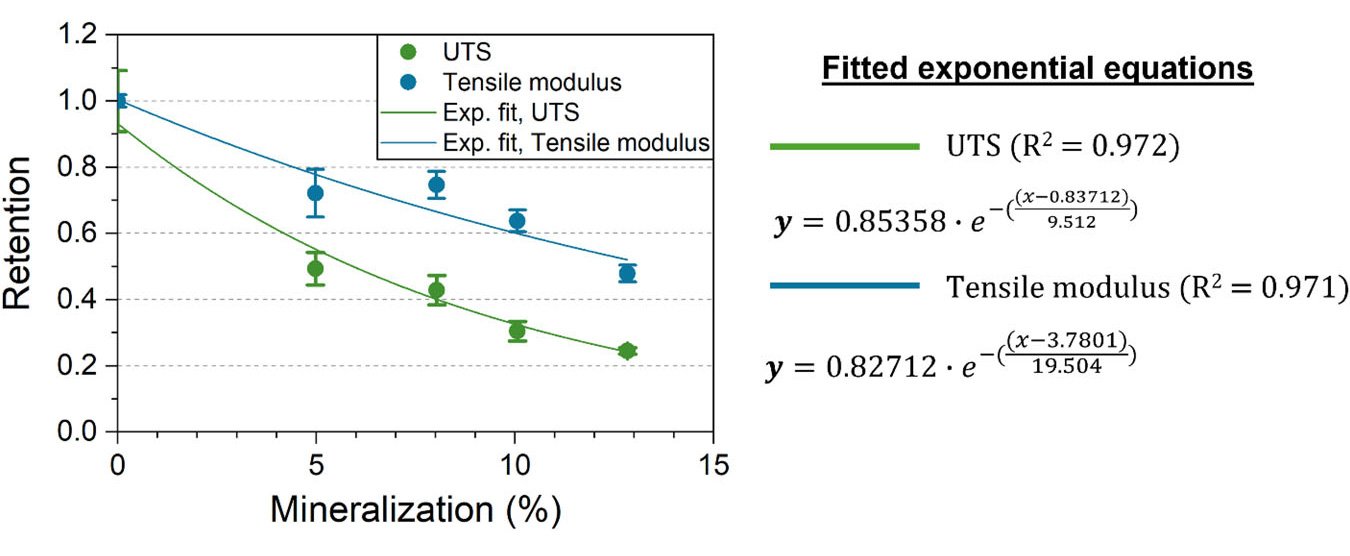
"At different stages of biodegradation, we measured the mechanical strength of the samples using tensile tests and compared these results with standard biodegradation indicators," Rova said. "We found that in both compost and soil, as the material biodegraded its tensile strength decreased in a clear and predictable exponential manner."
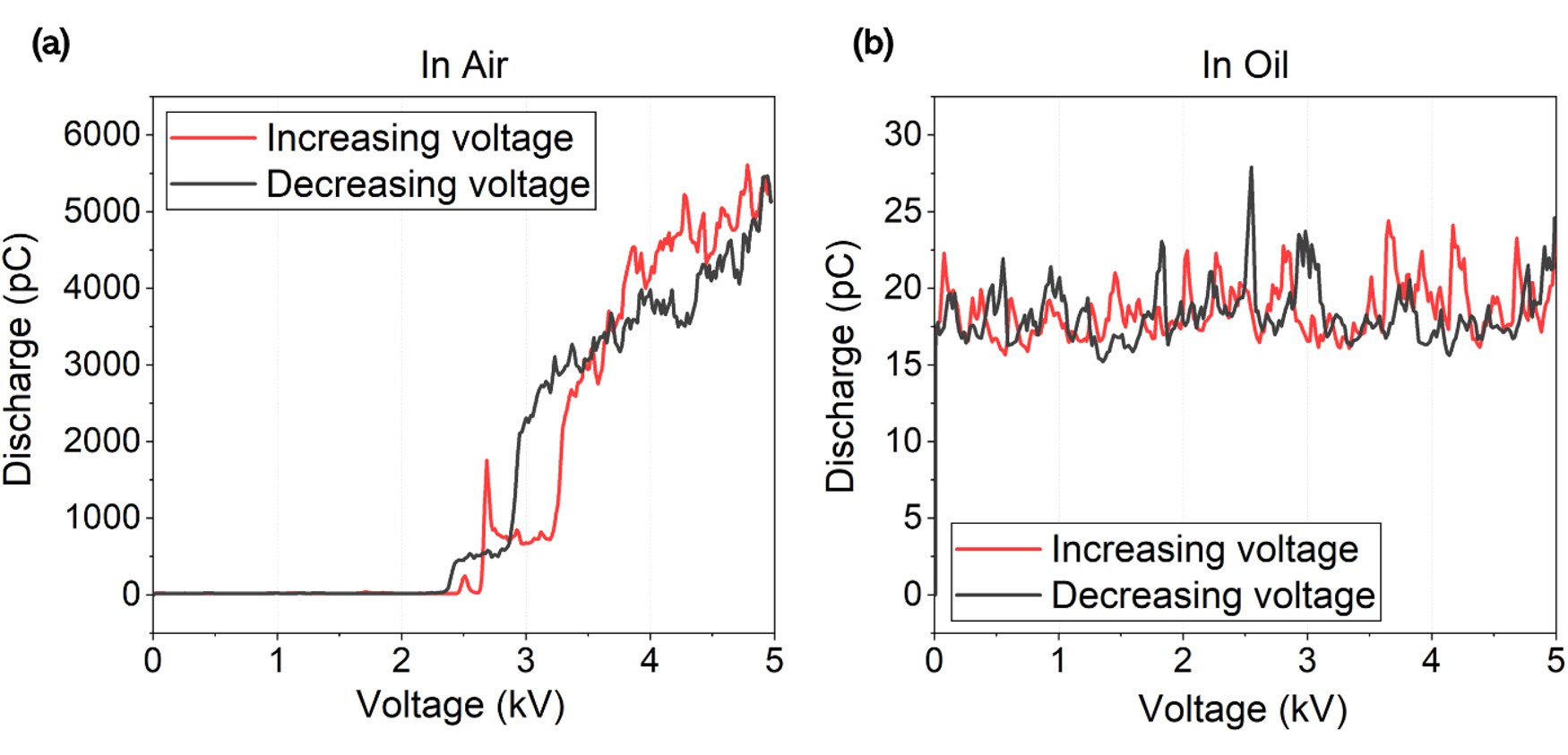
In eight weeks of compost burial, the material degraded by 13%. In 30 weeks of outdoor soil burial, it degraded by 5%. Over six months, the researchers tracked the degradation and developed a simple model linking strength loss to the degradation process, which they said shows mechanical testing can be used to estimate biodegradation. They also confirmed that the composite material initially maintains sufficient electrical insulation performance, supporting its potential use in temporary products that need to electrically function prior to safely degrading.
According to the researchers, the material has "excellent" biodegradability, with potential applications in agriculture and in devices intended to self-disintegrate. The electrical functioning, they said, also points to the potential applications in biodegradable sensors or disposable electronic packaging.
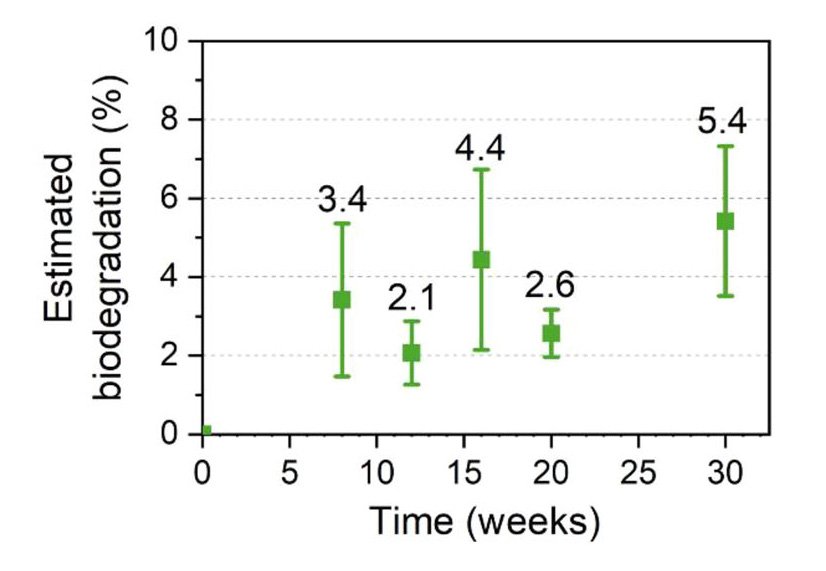
"This research brings these two issues ― plastic pollution and resource loss ― together by focusing on how the mechanical strength of a biodegradable material changes as it degrades," Rova said. "By connecting material strength with biodegradation progress, the study provides a more practical way to think about biodegradable products ― not just as materials that eventually disappear, but as materials whose usable lifetime can be designed and predicted."
- Publication Details:
Title: Evaluating and Interpreting Biodegradability of a Tree Bark-Based Green Composite through Tensile Properties
Authors: Lovisa Rova, Zhenjin Wang, Hiroki Kurita, Fumio Narita
Journal: npj Materials Degradation


