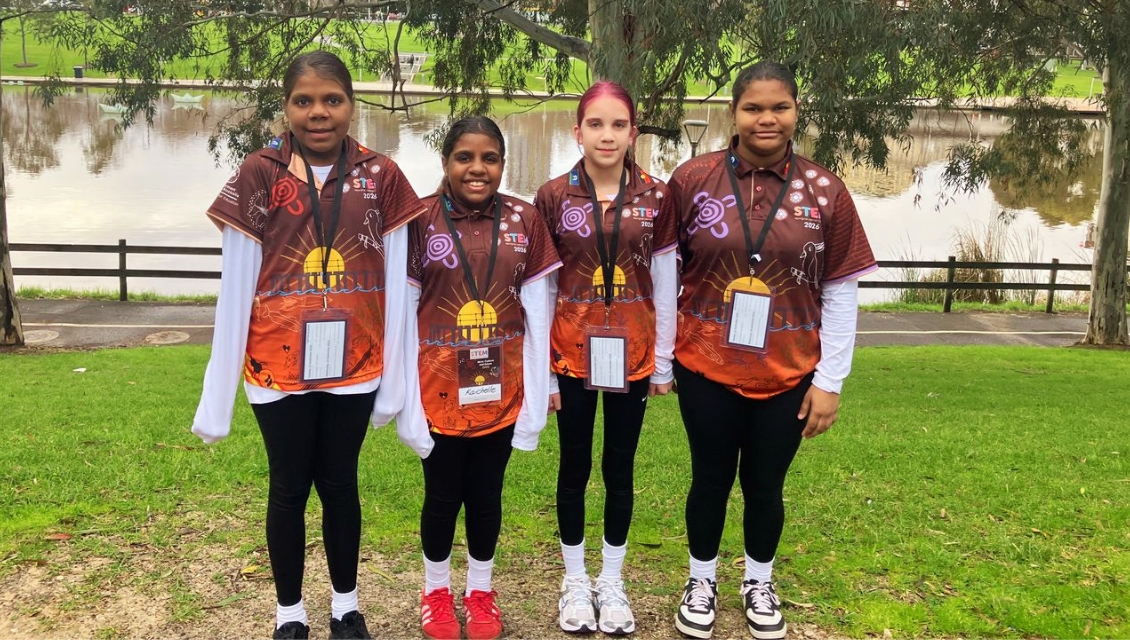
At Port Augusta's Carlton School the average day is a little different.
While the 70 students at the Reception to Year 9 institution study maths and English like any other young South Aussie, they're also incorporating Aboriginal culture into their everyday learning.
Adnyamathanha language lessons are part of the school curriculum, along with Pitjantjatjara, taught by an Elder and mentor from the nearby Aboriginal community of Davenport.(external site)
And when the opportunity arose for a group of students to attend the recent Aboriginal STEM Conference in Adelaide, they looked at ways of incorporating traditional knowledge into their project.
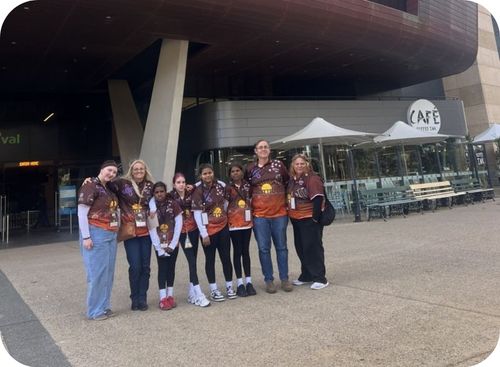
The end result was a range of soap and oil products made from plants native to the Port Augusta region.
The manufacturing process incorporated a number of science fundamentals, while the retail side of things ticked off the maths component.
But, most importantly, the products were a huge hit.
"We made a soap that was scented with a native plant – emu bush," Carlton School curriculum coordinator Peter Mills said.
"Last year we made an ointment that was a big hit and was quite sought after by some of the bigger names in the Department.
"People were saying, 'you're the guys with the jars!'"
Mr Mills said this year's soap project raised the bar – no pun intended – somewhat.
"Let me tell you, there's quite a lot that goes into making soap," he laughed.
 "The students had to work out the ratios of all three ingredients, along with the temperatures required for extracting the scent from the plant.
"If you leave it on the heat for too long it doesn't work.
"Then it had to be packaged up for the presentation."
That "presentation" was in front of about 1000 people at Adelaide Oval, and Mr Mills said he couldn't have been prouder of the way his students embraced the challenge.
"We had two girls stand up on the stage in front of the whole congress and speak to the crowd.
"It was incredible to see them get out of their little school where they know everyone and get up in front of all those people and be so proud and confident."
This year Carlton School has embraced the Culturally Nourishing Schools Project, a whole-school educational reform initiative designed to improve learning outcomes, wellbeing and cultural safety for Aboriginal and Torres Strait Islander students.
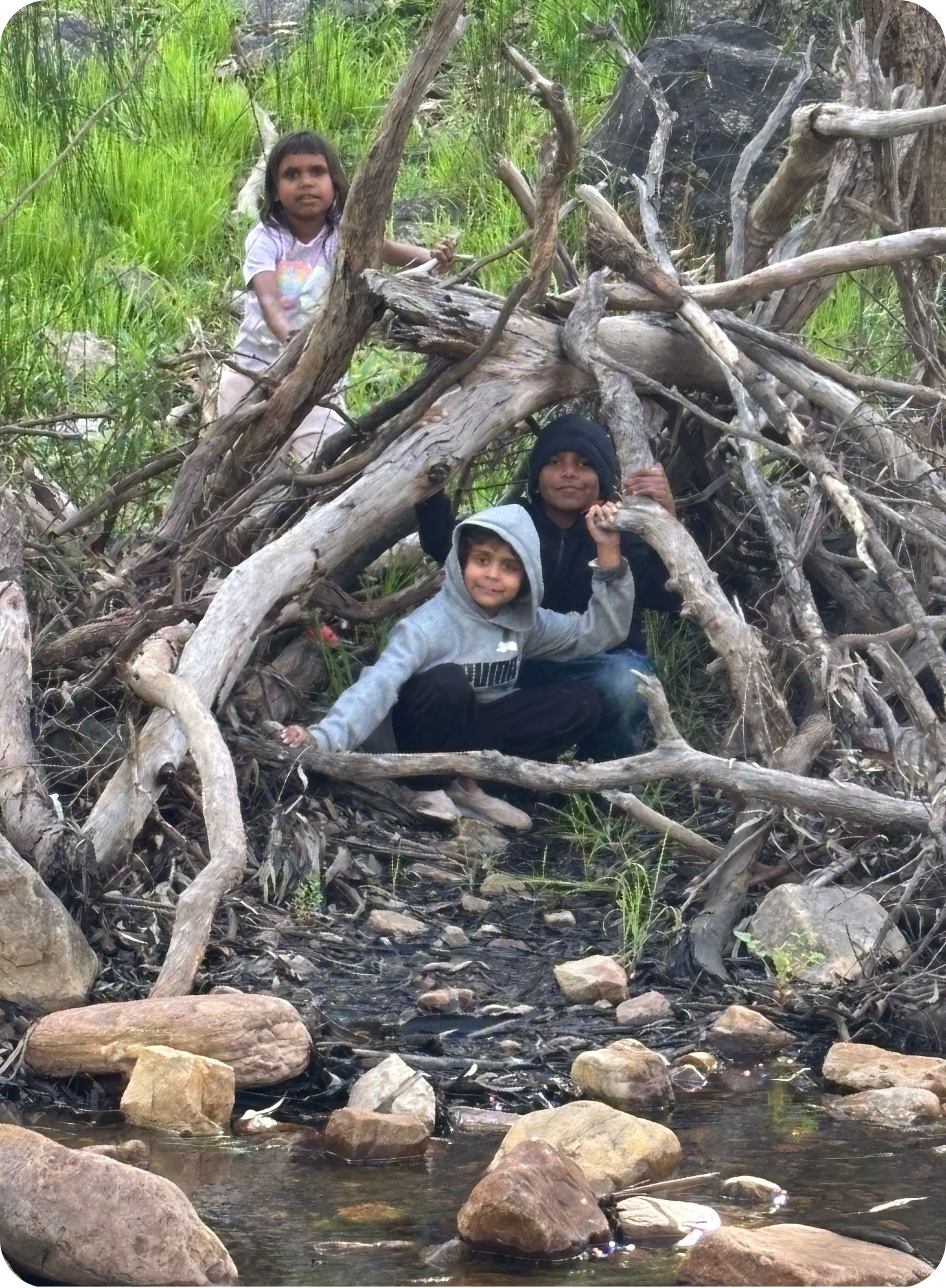
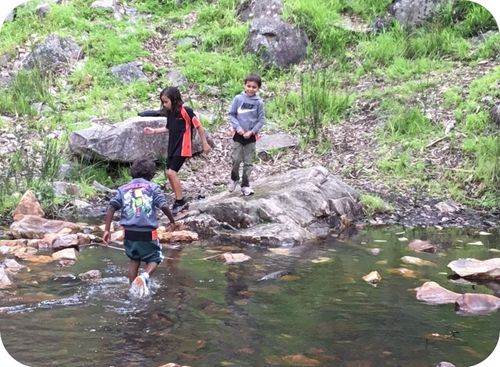
Mr Mills said the practical side of the project involved going out onto Country, and for the Carlton students this meant a trip to nearby Mambray Creek, in the southern Flinders Ranges.
"We went in there with no set activities, no games, no balls, nothing like that," he said.
"It was all about letting the kids explore, letting them teach us some things, and seeing how they interacted with the environment they were in.
"It was a really good opportunity to see how some of the kids that perhaps don't perfo
 rm so well in the classroom can thrive in that kind of environment.
"Some of them made shelters, some of them caught tadpoles … it was a really good day."
While Carlton incorporates students until the end of Year 9, there are several pathways into continuing education when a student's time there is over.
Students can transition to senior high school, usually at Port Augusta Secondary School, in Year 8, 9 or 10, supported by Aboriginal Secondary Education Transition Officers or members of the Clontarf Foundation.
Mr Mills said Carlton's future was looking bright, with improvements to the school's campus underway.
"Academically speaking, we will continue our focus on literacy and numeracy, obviously, and we'll keep going with the Culturally Nourishing Schools program, which has been making education more engaging for our students and getting some really good results," he said.