
Key points
- CSIRO's egg collection holds thousands of eggs from more than 1000 species of birds.
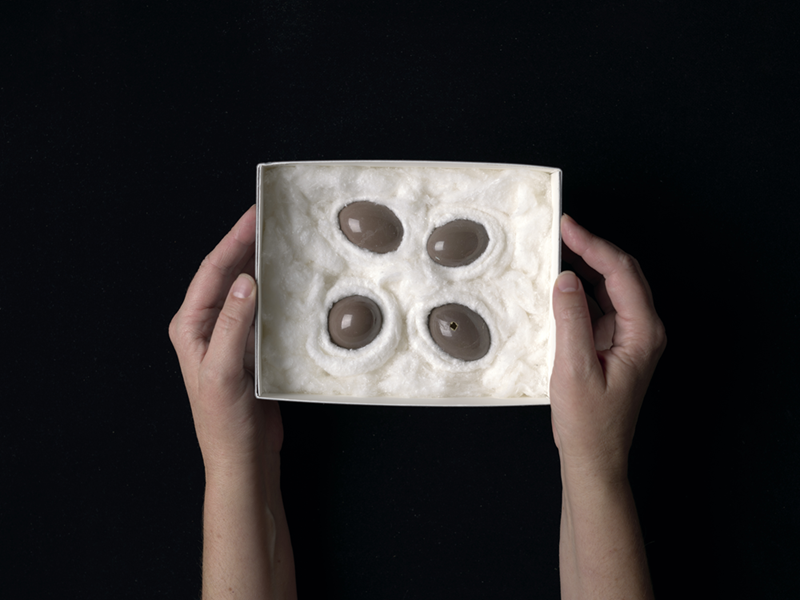
- Some even look like 'chocolate' Easter eggs.
- The collection is a vital resource for scientific research, with eggshells used to look back in time.
An egg collection so big, the Easter bunny would be jealous
With Easter almost here, chocolate eggs are popping up everywhere. Hatching from hibernation into colourful foil to remind us that yes, it's April already, where did the time go?
Eggs aren't seasonal at CSIRO. Unlike the confectionery lining supermarket shelves, they're a permanent fixture in the collections.
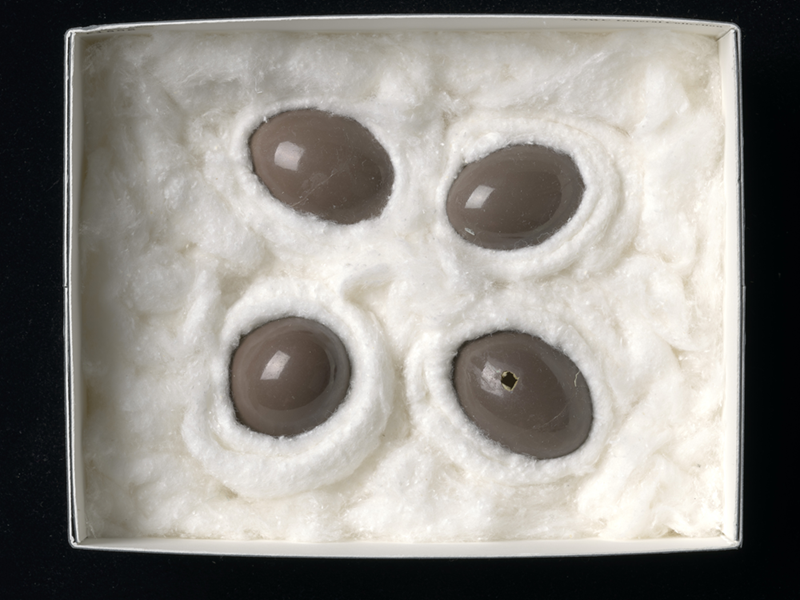
Some even look like sweet treats. Take the Chilean Tinamou (Nothoprocta perdicaria). It has an unusual talent of laying eggs that look like chocolate. The resemblance is so uncanny, the Easter Bunny may have taken a little too much inspiration from these birds.
These chocolate imposters are just one of many in CSIRO's sprawling archive. But how did so many eggs end up in the collection? And what are they used for?
A few (thousand) good eggs
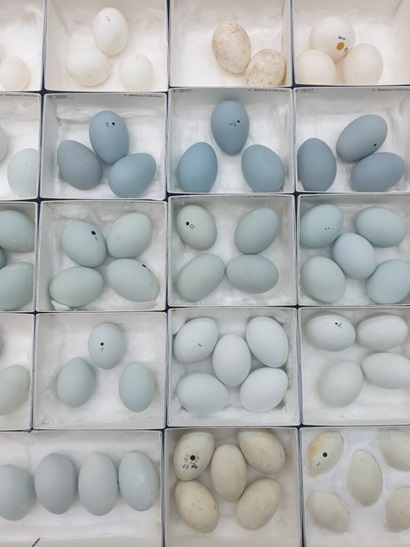
CSIRO's Australian National Wildlife Collection holds 31,000 clutches of eggs from more than 1000 species of birds.
It's a heritage and research collection mostly made up of donations to CSIRO.
Researchers assess donated eggs for scientific value before they are accepted into the collection. Important characteristics include which species of birds laid the eggs, when and where the eggs were collected, and whether eggs of that species are already held in the collections. Eggs from a clutch are stored together in a small box, nestled in cotton wool.
While some specimens resemble works of chocolatier art, CSIRO's collections are not a museum. They are a resource for scientific research used to look back in time.
Clutch and Shell's Egg-cellent Adventure: Time travelling via eggs
Eggshells reveal a lot about bird species in the past. By looking at different egg colours and patterns, shell thicknesses and preserved DNA, scientists can investigate bird behaviours, bird evolution and where birds may have been geographically. This is particularly useful to predict where birds might go under changing climates.
Eggshells also let scientists like CSIRO's Dr Clare Holleley explore specific questions, such as how species respond to parasitism by cuckoos , a reproductive strategy where female cuckoos lay their eggs in the nests of another bird.
"Many of the clutches in CSIRO's collection contain an imposter: the egg of a cuckoo," Dr Holleley said.
"Cuckoos win an advantage if they can disguise their eggs and chicks so the host birds will accept them. Host birds are better off if they can recognise the cuckoo egg or hatchling and kick it out."
Dr Holleley's work on cuckoo eggs in the collection has even helped scientists understand more about why there are so many different species on earth.
Cuckoo drama aside, scientists can go even further back, piecing together the evolutionary history of extinct species like elephant birds . Madagascar's elephant birds have been extinct since around the year 1000 CE. At up to three metres tall and some weighing more than 500 kilograms, they were the largest birds to ever live. They're an important link in understanding the evolution and diversification of birds.
Eggshells provide a portal into the past, all without a clunky time machine or flux capacitor. Come to think of it, Marty McFly really could've saved a lot of time if he'd just used an egg.
Do eggs crack under pressure?
With so many eggs on hand, it begs the question: How do they stand the test of time?
Eggs are fragile, and most of us know the feeling of accidentally dropping a few while making an omelette, or so the idiom goes. But luckily for CSIRO's collection and research, eggshells are actually very durable.
They're bio-ceramic, and more like rock. They also don't bio-degrade. This means that with proper preservation, eggshells can last for a very, very long time. Eggshell fragments of the extinct elephant bird, which you'll recall have been extinct since 1000 CE, can be found on the island of Madagascar.
"CSIRO takes great care of the eggs in the collection, thanks to a team of curators who check in on them," said Dr Holleley.
"They're stored in special archive cardboard boxes filled with cotton wool, kept safe in collection cabinets in a temperature-controlled vault."
Researchers are also photographing egg clutches to allow more people to study the collection, or to explore just for fun. Whether you're cracking into some Easter chocolate or have an interest in understanding the past, let this month be a reminder of how impressive eggs really are.
Perhaps this might even hatch a newfound appreciation.


