
Loss of habitat along their migratory routes may be driving the recent decline in Japanese chum salmon populations
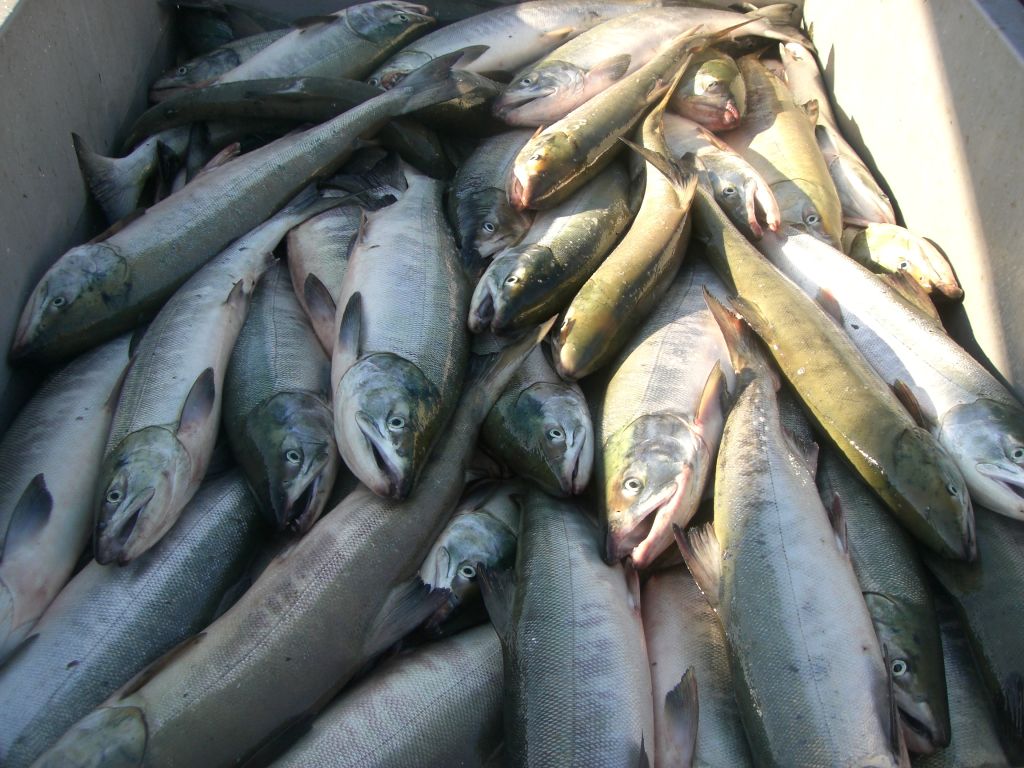
Today, most of the salmon consumed in Japan is imported from countries like Chile and Norway, according to the Ministry of Agriculture, Forestry and Fisheries. But just two decades ago, Japanese chum salmon made up a much larger share of domestic salmon consumption. Their numbers have declined sharply in recent years, and new research from Hokkaido University suggests that this decline may be linked to the loss of their natural habitats along their migratory routes.
In findings first published in December 2025 in Scientific Reports, researchers show that marine conditions in the North Pacific have significantly reduced suitable habitat for Japanese chum salmon over the past 25 years.
Known in Japan simply as "shirozake," or salmon, chum salmon can be recognized by their faint vertical stripes and silvery sides. "Nowadays, they are almost entirely born in hatcheries across Japan," explains Assistant Professor Irene D. Alabia. "Each autumn, fishery workers collect eggs and sperm from returning adult salmon, and the fertilized eggs are carefully reared under controlled conditions. By early spring, juvenile salmon, or fry, are ready to be released into rivers."
Roughly 140 rivers across Hokkaido and nearby regions release about one billion juvenile chum salmon each year. From there, the fish migrate along the Pacific coast into the North Pacific Ocean and the Bering Sea, where they grow for several years before some return to their birthplace to spawn.
Researchers from the Arctic Research Center at Hokkaido University found that suitable marine habitats for chum salmon have shifted significantly over the past 25 years. By analyzing publicly available data and environmental records from 1998 to 2022, the team developed models showing how suitable habitats for Japanese chum salmon have changed.
"The results show that changing ocean conditions have altered where chum salmon can thrive. Suitable habitats have declined overall due to ocean warming, reduced zooplankton which are an important food source, and increasingly frequent marine heatwaves," notes Alabia. "Our results show broad-scale habitat loss in the North Pacific for chum salmon."
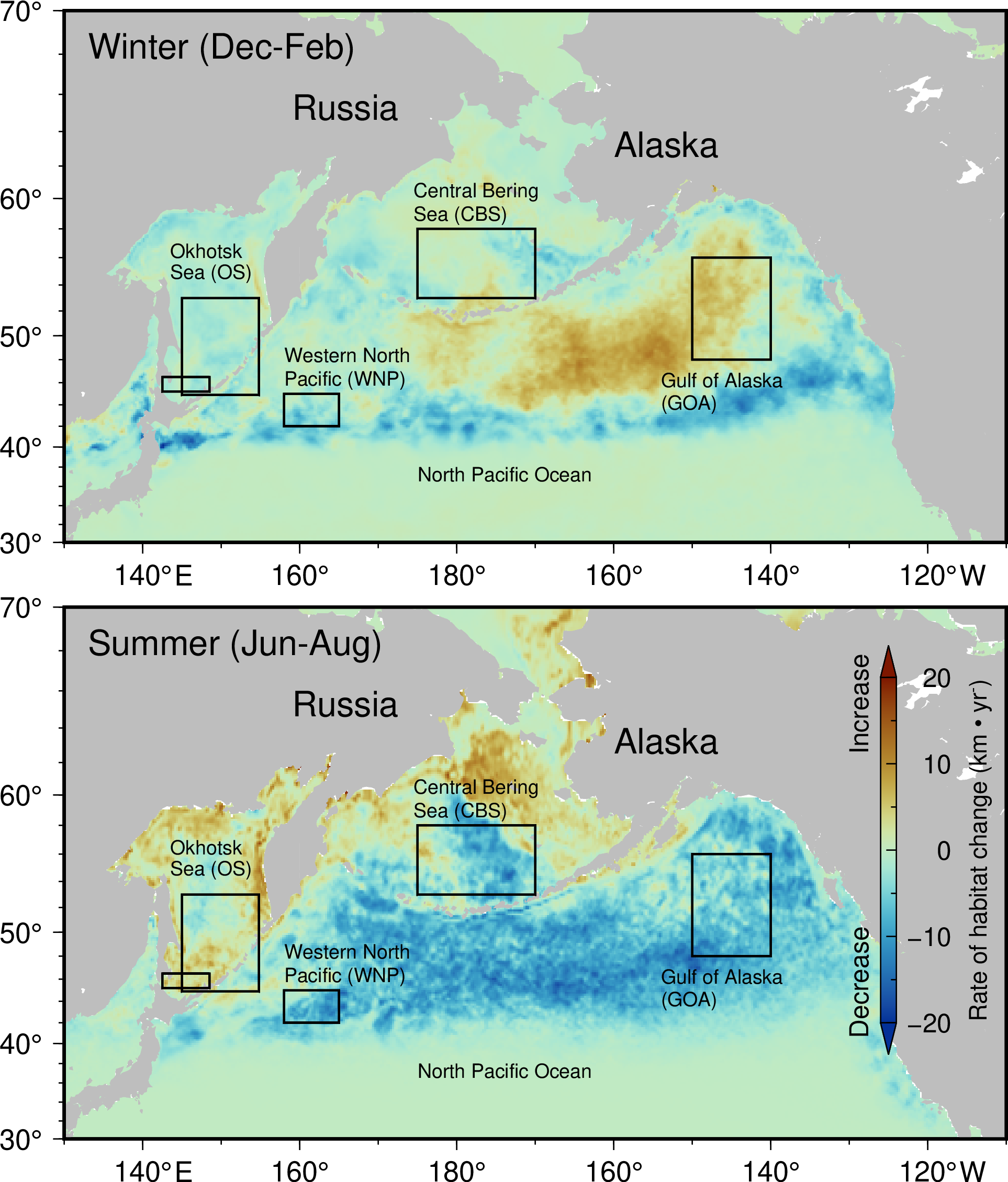
At the same time, the fish are moving northward, expanding into higher-latitude waters toward the Chukchi Sea as they lose suitable habitats along the southern edge of the North Pacific and the Gulf of Alaska. This "poleward shift" suggests that climate change is reshaping the marine environment on which chum salmon depend. This habitat loss coincides with the recent decline in Japanese chum salmon populations.
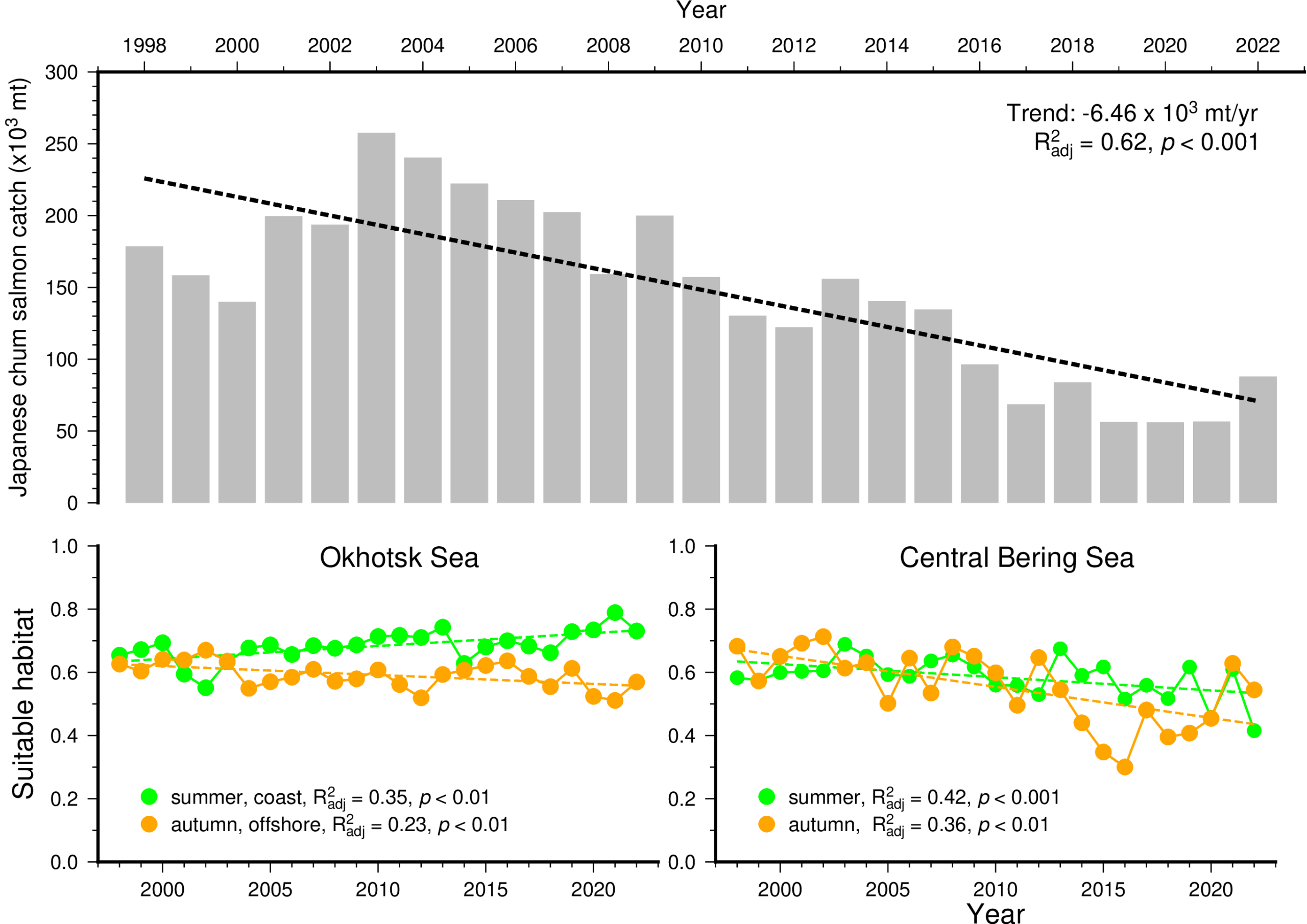
Marine ecosystems are particularly sensitive to climate change. Rising ocean temperatures, altered food webs, and extreme heat events are reshaping species distributions worldwide.
"Tracking the redistribution of chum salmon habitats is crucial for conserving the declining salmon resources," Alabia notes. Even intensive hatchery programs may not be enough to offset large-scale environmental change. As the North Pacific continues to warm, the future of Japanese chum salmon may depend on how quickly fisheries management and conservation strategies adapt to a rapidly changing ocean.
Original article:
Irene D. Alabia et al., Climate-driven shifts in marine habitat explain recent declines of Japanese chum salmon. Scientific Reports. December 2, 2025. DOI: 10.1038/s41598-025-26397-z.
Funding:
This study was supported by the Arctic Challenge for Sustainability II (Grant No. JPMXD1420318865) and III (Grant No. JPMXD1720251001) funded by Japan's Ministry of Education, Culture, Sports, Science and Technology (MEXT), EO-RA3 (Grant No. RA3MAF006), and EO-RA4 (Grant No. ER4MAF008), funded by Japan Aerospace Exploration Agency (JAXA).


