
- Curiosity Home
- Science
- News and Features
- Multimedia
- Mars Missions
- Mars Home
2 min read
Written by Diana Hayes, Graduate student at York University, Toronto
Earth planning date: Friday, Feb. 20, 2026
This has been a pretty routine week for Curiosity. As was mentioned last week, we're now in the final phase of the boxwork exploration campaign. We're currently making our way toward the eastern contact of the boxwork formation with the surrounding geology, which we plan to drive along before turning our attention to the southern contact. That will likely be our last opportunity to directly interrogate the boxwork area before we continue our adventure up the slopes of Mount Sharp.
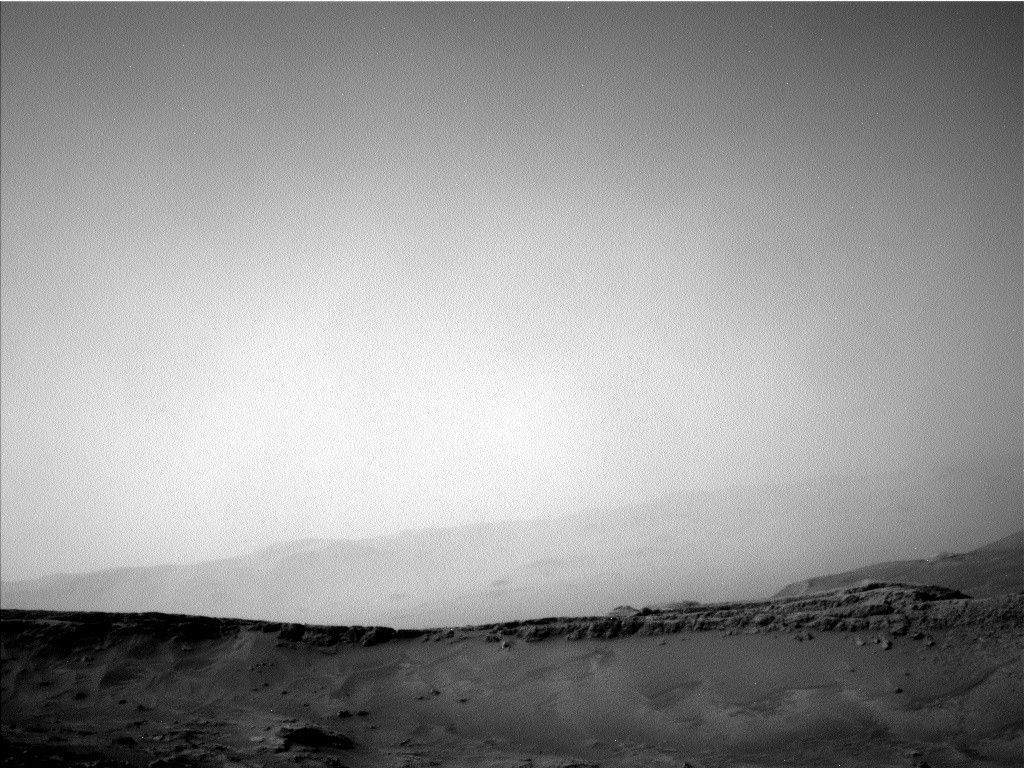
Along the way, we've been performing our usual investigations of the geology that we encounter at our parking locations. As always, this includes contact science on bedrock targets close to the rover, ChemCam LIBS observations of targets slightly further afield, and a number of ChemCam RMI and Mastcam mosaics. These mosaics include observations deeper into the "Tapiche" hollow where we're parked and the "Los Flamencos" ridge to its south, which we plan on investigating closer in the coming week.
Mars continues to move deeper into its dusty season, so the environmental science group filled this week's plan with a typical assortment of atmospheric monitoring activities to track dust devils and the amount of dust in the atmosphere, as well as several Navcam cloud movies. So far this dusty season the atmosphere over Gale Crater appears to be behaving much like it does most years, with no signs of imminent dust storms. It's now been almost eight years (four Mars years) since the last time that a global dust storm swept across the planet, so we're keeping a close eye on the possibility of another one occurring this year.


