
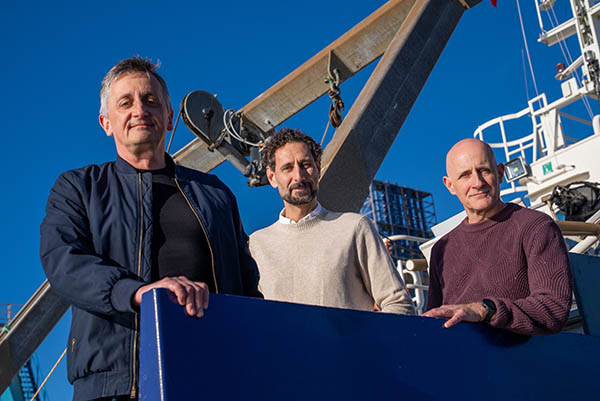
Three University of Southampton marine biologists have lent their expertise to Blue Planet III - the groundbreaking new series from the BBC.
Prof Jon Copley, Dr Ryan Reisinger and Prof Clive Trueman worked with the BBC Natural History Unit on the new Sir David Attenborough series, which will air on Sunday evening.
Blue Planet III 'will reveal brand new and untold stories from magical underwater worlds', according to the BBC. Combining a deeper understanding of the oceans with a whole new generation of camera technology, the series will showcase stunning stories and extraordinary behaviours, previously impossible to film or only recently discovered.
Where Blue Planet II exposed the threats to our oceans, Blue Planet III will also explore stories of adaptation and resilience in this changing world, along with stories of hope and recovery.
The series will focus on the planet's five key underwater habitats: Tropical Seas; Open Ocean; Seasonal Seas; Polar Waters and The Deep. The sixth and final episode will turn to the future of our seas and explore what we need to do to protect them in Future Seas.
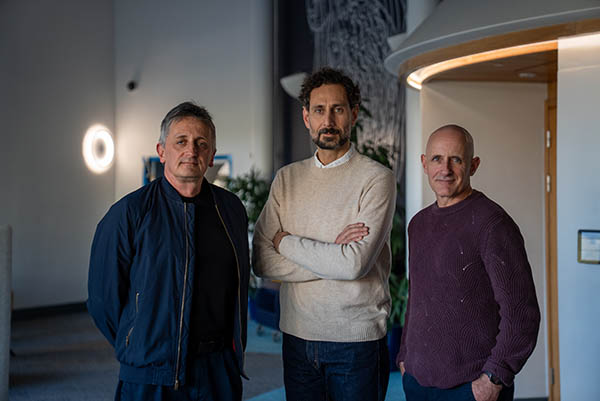
Dr Ryan Reisinger contributed his expertise on large sea creatures, such as whales and sharks, to the Polar Seas and Future Seas episodes. He recently led an expedition to the Western Antarctic Peninsula to survey Antarctic krill and the baleen whales that feed upon them.
Prof Jon Copley , who also featured in Blue Planet II, advised on The Deep episode. A specialist in deep-sea biodiversity, evolution and ecology, his recent research has explored life at undersea volcanic vents and investigated the potential impacts of deep-sea mining .
Prof Clive Trueman was also consulted for the series. An expert on fish physiology, movement ecology and marine food webs, his recent research has explored how climate change could affect tuna fish populations by studying the stones in their ears.
Prof Copley said: "It's fantastic to contribute to such a landmark nature series as Blue Planet. Blue Planet II shared the wonder of ocean life with people worldwide, and put the challenges and choices for its future right in front of policymakers. Blue Planet III will go even further, as we continue to explore, make new discoveries, and gain new insights about our ocean world."
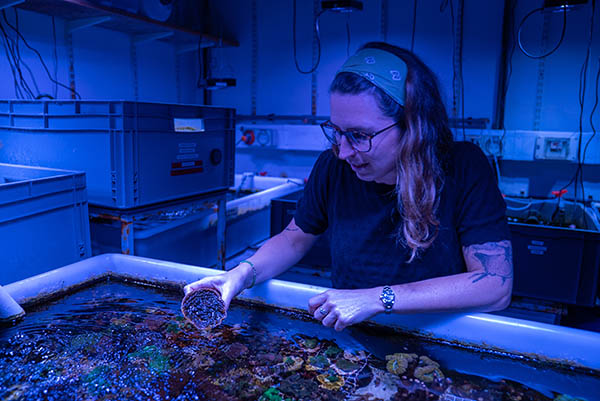
The first series of Blue Planet aired in 2001. One of those watching was postgraduate researcher Isabel Ives, who said it helped inspire her future career choices.
"When Blue Planet first aired it was groundbreaking, bringing a new, hidden world right to our living rooms," she said. "Watching corals devour each other, or fish releasing their eggs en masse into the currents, was fascinating - especially as a young child who had never seen a coral, let alone realised they were animals hidden just below the surface of our seas. How could I not then dedicate myself to learning more about such a weird and wonderful place?"


