Flinders University has secured two Commonwealth grants totalling $4.2 million through the National Palliative Care Projects program to expand education and training initiatives that strengthen end-of-life care across acute, primary, aged and community care settings.
The two projects - renewed funding for End-of-Life Essentials for Acute Hospitals and new project End-of-Life-Essentials for General Practice - will expand access to much-needed evidence-based education resources for all healthcare professionals to have stronger palliative care knowledge.
Now in its tenth year, the End-of-Life Essentials (EOLE) program, developed by Flinders University, has strengthened the provision of end-of-life care in Australian acute care settings through practical, evidence-based education. Developed in partnership with clinicians, educators and consumers, the program was created in response to many healthcare professionals reporting limited confidence and competence in caring for people at the end of life, despite this being core clinical work.
EOLE has since grown into a nationally recognised leader in education, and the new grants will support access for an increasing number of acute hospital staff and healthcare professionals in every sector across Australia.
"With this $4.2 million investment, we have a real opportunity to change the experience of dying for thousands of Australians and their families," says Flinders-based Dr Caroline Phelan, Chief Investigator on both EOLE projects.
More than half of all deaths in Australia occur in hospitals meaning end-of-life care is core business for hospital staff.
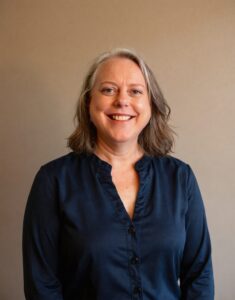
"Every day, clinicians in our hospitals and general practices care for people at the end of life, often without the training and support they need. These two projects will help us provide that support, building the confidence and competence our workforce deserves," says Dr Phelan.
"My hope is that funding for the expansion of End-of-Life Essentials for Acute Hospitals can equip clinicians with the practical skills and confidence to have difficult conversations, respond to complex needs, and deliver safe, compassionate care when it matters most. When our workforce feels prepared, patients and families feel it too."
The new project, End-of-Life Essentials for General Practice, builds on this progress and broadens its reach to provide EOLE education, resources and access for general practitioners across Australia.
"General practitioners are often the first point of contact for people living with a life-limiting illness, yet many GPs tell us they lack confidence in recognising deterioration, initiating advance care planning, and managing symptoms," says Dr Phelan.
The new project aims to support GPs to identify patient needs earlier, improve referral pathways, and enable more people to receive quality end-of-life care, regardless of where they live.
"I want clinicians in rural and remote communities to have the same access to high-quality education as their metropolitan colleagues. Equity of care starts with equity of learning," says Dr Phelan.
"Dying is something that touches every one of us. I am deeply grateful that the government has recognised this need and backed a solid, four-year commitment to prepare our workforce for the future.
By building practical skills and confidence, EOLE is helping clinicians navigate difficult conversations, respond to complex needs, and improve consistency of care.
Chief Investigators for the new EOLE projects are Dr Caroline Phelan, Dr Claudia Virdun, Dr Raechel Damarell, with Professor David Currow also involved for the General Practice project.
"Leading this work is both a privilege and a profound responsibility. We are committed to delivering free, peer-reviewed, evidence-based education that strengthens care across every setting, in every corner of the country."