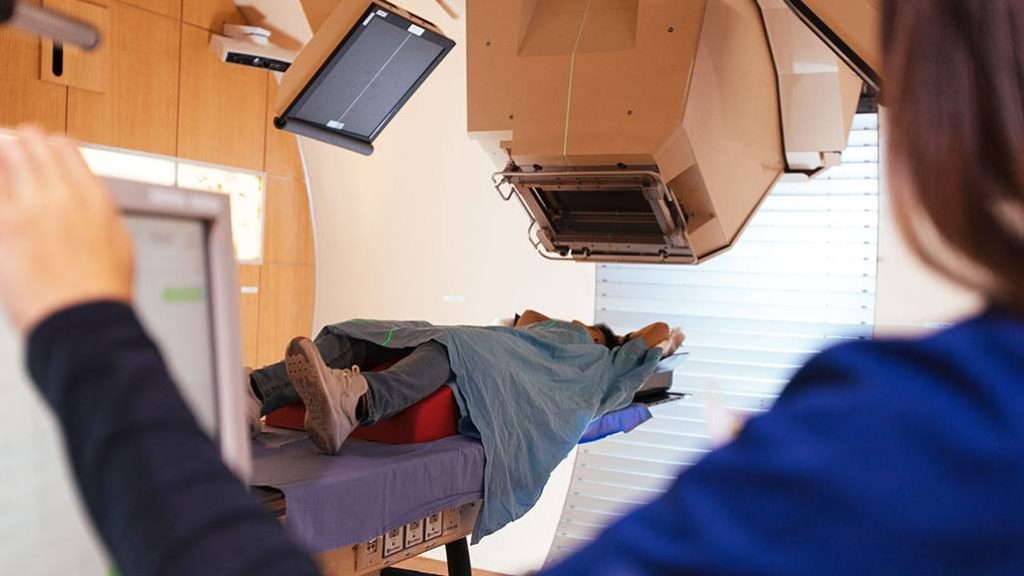
- GE HealthCare and Mayo Clinic launch GEMINI-RT, a strategic initiative to personalize radiation therapy by integrating imaging, artificial intelligence (AI) and patient monitoring across the cancer care continuum.
- The collaboration focuses on four pillars - automation, predictive oncology, multi-modal therapies and outpatient monitoring - to enhance clinical outcomes, reduce clinician burnout and accelerate innovation in radiation oncology.
CHICAGO - GE HealthCare and Mayo Clinic today are announcing the GE HealthCare-Mayo Clinic Initiative in Radiation Therapy, known as GEMINI-RT, an ambitious new collaboration that aims to transform personalized radiation therapy and cancer care. Building on decades of collaboration and the Strategic Radiology Research Collaboration signed in 2023, GEMINI-RT plans to drive innovation in prediction, planning, automation, workflow and monitoring for radiation oncology.
GEMINI-RT combines Mayo Clinic's world-class clinical and research expertise with GE HealthCare's leading technical and engineering innovation in oncology care and radiation therapy. The initiative aims to deliver comprehensive, personalized care by exploring integrating imaging, advanced therapies, dosimetry and patient monitoring at every step of the patient journey - from detection and diagnosis to treatment and follow-up.
Radiation therapy is a cornerstone of cancer care, used in more than 50% of cases worldwide and for over 2 million U.S. patients annually1,2. The rising rates of new cancer diagnoses worldwide, with 19.3 million new cases in 2022, continues to drive demand for this treatment3. Through GEMINI-RT, Mayo Clinic and GE HealthCare aim to make personalized radiation therapy accessible by integrating streamlined, data-driven solutions that will leverage Mayo Clinic's clinical expertise and patient outcomes data.
"GEMINI-RT is grounded in the concept of 'twinning the patient, personalizing the beam' - a transformative approach made possible by Mayo Clinic's extensive clinical expertise and outcomes data," said Bryan Traughber, M.D., vice chair of innovation for radiation oncology at Mayo Clinic. "The combination of research and technological acumen could allow us to model individual patient journeys with precision, enabling radiation therapy treatments that are truly tailored to each patient."
The collaboration will deepen efforts across four strategic areas:
- Automation: Collaborating on AI-powered solutions to eliminate repetitive tasks and accelerate treatment planning.
- Predictive oncology: Harnessing clinical insights to personalize cancer treatment decisions and improve outcomes.
- Multimodal therapies: Exploring approaches that combine radiation with emerging treatments like targeted drugs and precision heating for more effective care.
- Connected care: Using AI, biomarkers and sensors to monitor patients beyond the clinic - with the aim of predicting side effects early and supporting treatment at home.
"This effort enables us to collaborate on solutions that are not only leading-edge but also clinically meaningful, helping shape the future of personalized radiation therapy. By integrating innovative technology and AI across the care continuum, we can improve clinician experience, support high-quality patient care and help reduce burnout among care teams," said Dr. Ben Newton, global head of oncology for GE Healthcare.
GEMINI-RT research and activities will be based at Mayo Clinic's campus in Rochester, Minnesota, leveraging both organizations' strengths in clinical practice, research and product development. This initiative will build on the accomplishments of 2023 Strategic Radiology Research Collaboration in which GE HealthCare and Mayo Clinic are collaborating on projects in advanced magnetic resonance (MR) technologies and techniques, theranostics treatment for cancer, and diagnostic and interventional ultrasound.
- [1] International Agency for Research on Cancer (IARC). 2023. "Expanding Global Access to Radiotherapy."
- [2] American Society for Radiation Oncology (ASTRO). 2020. "Geographic Access to Radiation Therapy in the United States.