
Long-term field measurements between 2012 and 2025 show that the Qaanaaq Ice Cap lost enough ice to produce a layer of water about 8 meters deep.
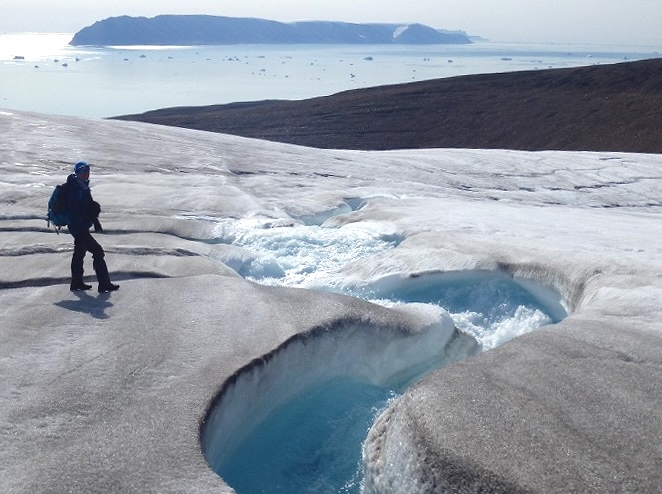
Each summer, researchers from Hokkaido University returned to the Qaanaaq Ice Cap in northwestern Greenland to measure changes in the ice surface using aluminum poles drilled into the ice. Their 13-year record shows how the ice cap has changed from 2012 to 2025.
Published in the Journal of Glaciology, the findings provide a rare long-term record of glacier change directly from the ground in northwestern Greenland. The researchers combined measurements of ice gain and loss in the region with data on ice velocity, surface elevation, and weather conditions. Their results show that ice loss was not the same everywhere.
At six different sites on the ice cap, located between 200 and 1,000 meters above sea level, the researchers measured how much of the aluminum poles they had drilled into the ice remained visible above the surface. A longer exposed section meant that the ice surface had lowered. Their measurements show that the ice cap lost enough ice to produce a layer of water about 8 meters deep if melted and spread evenly across its surface.
GPS devices attached to the poles allowed the researchers to track how quickly the ice was moving. They measured surface elevation at 280 locations, while recording local air temperatures and snow conditions.
The team found that at the Qaanaaq Glacier of the Qaanaaq Ice Cap, the surface had fallen by an average of 8.7 meters during the study period. At lower elevations, the glacier lost ice more quickly than at higher elevations, and the rate of ice loss accelerated during the later years of the study. Warmer summers drove much of this change.
"The most difficult part of the study was continuing these measurements for 13 years. This record fills an important data gap in northwestern Greenland and provides a foundation for future glacier research in the region," says Shin Sugiyama of Hokkaido University's Institute of Low Temperature Science, who led the study.
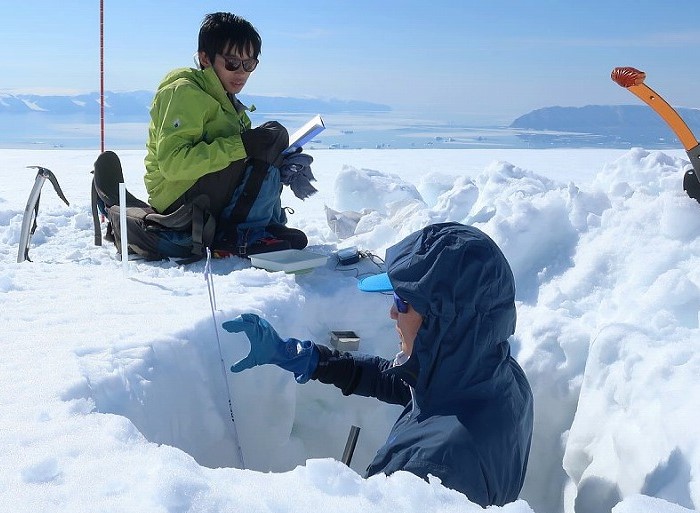
The researchers also discovered that the increase in ice loss could not be fully explained by surface melting and reduced snowfall. "About half of the increase in ice loss in the lower part of the glacier was linked to changes in ice movement. As the glacier slowed, less ice flowed down from higher areas to replace the ice being lost in the lower parts," explains Sugiyama.
Glaciers and ice caps make up only about 4% of Greenland's ice-covered area, but they accounted for about 14% of its total ice loss between 2018 and 2021. These new findings could help scientists better understand the role of ice dynamics and patterns of ice loss across Greenland.
Local and international collaboration
The long-term record was made possible in part through collaboration with people living in the region. During 2020 and 2021, when the COVID-19 pandemic disrupted fieldwork, local Greenlandic collaborators helped collect measurements of snow accumulation and ice loss.
The research team also shares its findings with local communities each year and hopes to expand local participation in future monitoring.
"We are proud of this collaboration with local Greenlandic people living in the region and hope the research will help the community better understand the changes and mitigate negative influences," says Sugiyama.
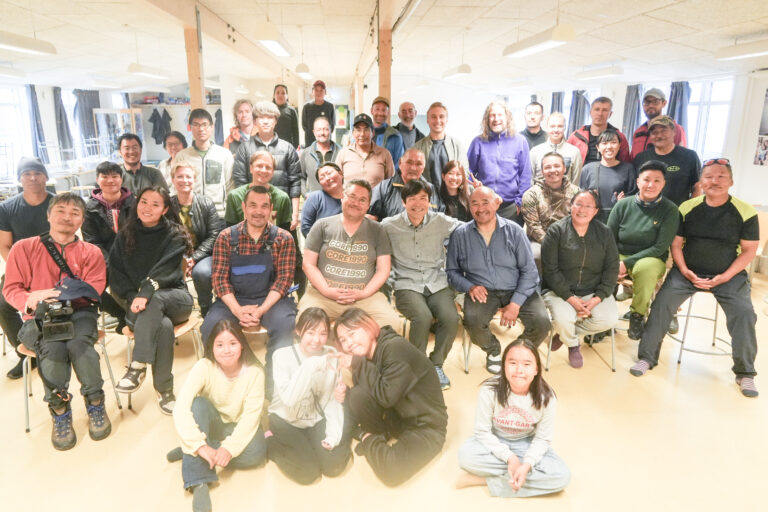
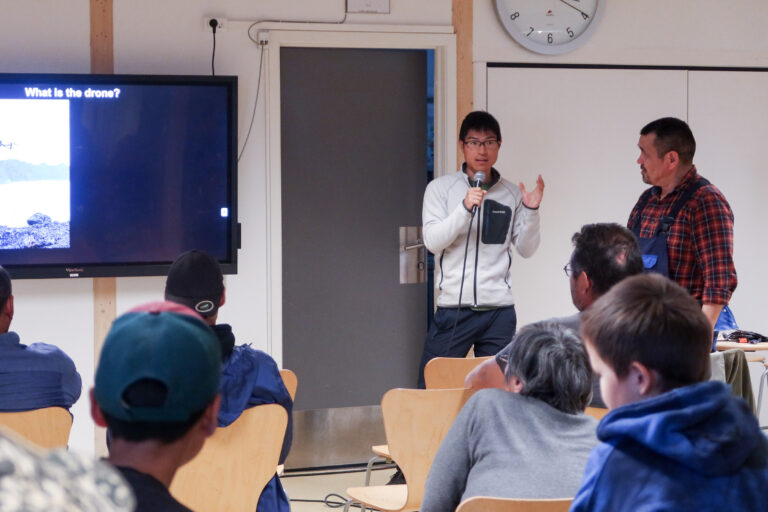
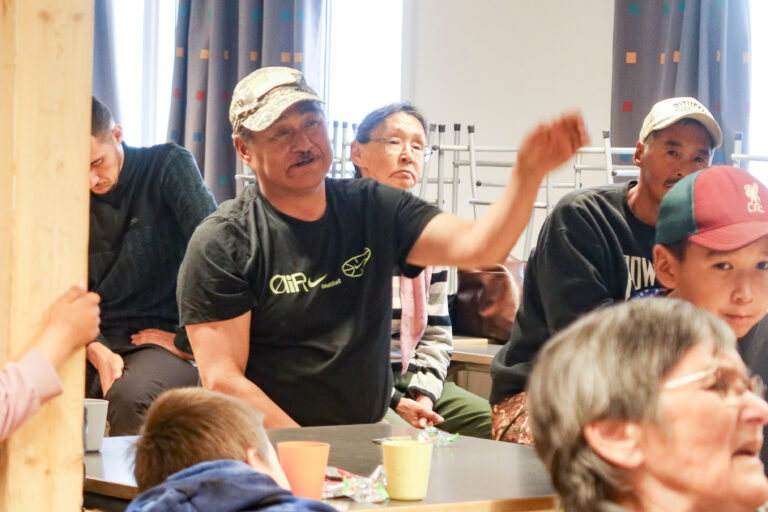
Community events held in Qaanaaq Village as part of the research. (Photos: Shuntaro Hata and Shin Sugiyama)
Original article:
Imazu et al., "Surface mass balance and ice dynamics of Qaanaaq Ice Cap, northwestern Greenland (Kalaallit Nunaat), from 2012 to 2025." Journal of Glaciology. 18 June 2026.
DOI: 10.1017/jog.2026.10178
Funding:
This study was supported by Japan's Ministry of Education, Culture, Sports, Science and Technology through the Green Network of Excellence Arctic Climate Change Research Project and the Arctic Challenge for Sustainability programs. Additional support came from JSPS KAKENHI and the Ministry of the Environment of Japan's Experimental Research Fund for Global Environmental Research Coordination System.


