
Recently we remembered and celebrated the legacy of former New Zealand Council of Trade Unions Te Kauae Kaimahi (NZCTU) President Helen Kelly, a decade after her passing.
Helen is remembered as a leader whose tireless commitment to working people helped change Aotearoa for the better. Through the campaigns she led and injustices she exposed, Helen was passionate in advocating for stronger expectations of workplace safety, greater accountability, and the recognition that workers must have a voice in how they are kept safe at work. She knew that deaths at work were not an inevitable part of doing business.
For Helen, remembering the dead and fighting to protect the living were core to the union movement.
This belief shaped the response of Helen and the union movement to one of the worst industrial tragedies in New Zealand's history, the Pike River Mine explosion. An unthinkable tragedy that took the lives of 29 men on 19 November 2010.
In the aftermath of the explosion, Helen stood alongside the families as they sought answers, justice, and accountability. She understood that their loss was deeply personal, but also that the failures exposed at Pike River demanded a national response.
Helen carried that fight into the reform of New Zealand's health and safety system that resulted from Pike River. The subsequent Royal Commission on the Pike River Coal Mine Tragedy found that the disaster was preventable, and alongside the National Taskforce on Workplace Health and Safety, called for urgent changes to regulation and oversight.
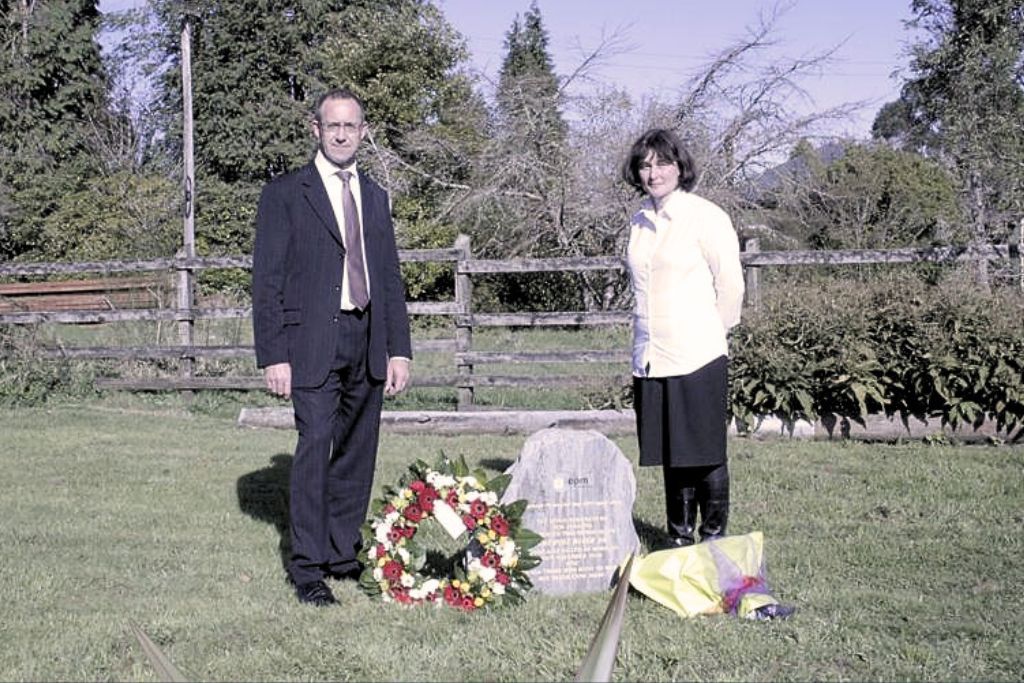
Through this reform, the union movement led by Helen pressed for stronger regulation, an effective and properly resourced regulator, and meaningful worker participation. The establishment of WorkSafe and the passage of the Health and Safety at Work Act 2015 reflected a wider national commitment to change, one that Helen, alongside workers and their unions and the Pike River families, fought hard to secure.
When there were attempts to weaken worker participation in workplace health and safety, Helen and the union movement pushed back. Arguing that an effective system required a capable regulator, responsible businesses and empowered workers able to influence health and safety in their workplaces. Workers' knowledge and participation, Helen argued, were essential to making workplaces safer.
Helen brought that same determination to forestry.
Again, she stood beside grieving families, challenged ongoing failures to protect workers, and demanded that deaths in the forests receive the scrutiny and accountability they deserved. Once again, Helen would not accept that forestry deaths were just part of the job. As NZCTU President she put the industry under a spotlight it had avoided for years, backing grieving families in their search for answers, pursuing private prosecutions where the regulator had failed to act, and demanding improvements.
Her impact was recognised in coronial findings into forestry fatalities, which specifically named the NZCTU under Helen's leadership, as a primary driver in exposing the sector's poor safety record and pushing for improvements.
The reforms that followed, an independent review and the creation of the Forest Industry Safety Council (FISC), are part of her legacy. In its tribute to Helen in 2016, FISC recognised her as instrumental in forestry safety reform and a catalyst who brought people together to make the industry safer.
Ten years on, in 2026, FISC remembered Helen again:
Ten years ago this month, former NZCTU President and passionate advocate for health and safety at work, Helen Kelly, passed away. And what a legacy she left behind, including in our sector.
Helen was instrumental in driving health and safety reforms in the forest industry in the three or four years before her death. And at the time of her passing, we pledged to honour her by continuing to work with unions and forestry workers to strongly support improved worker engagement and participation in forestry.
We've been reflecting on that recently, and we hope Kelly would be pleased with the sector's progress to date. It's now 18 months since the last forest fatality and over two years since the last manual tree-felling fatality.
We pledge to keep working hard on the very worthwhile mahi you helped put in place for our sector, Helen Kelly.
Joe Akari CEO Safetree/ FISC
In 2026, forestry is still one of New Zealand's riskiest sectors for workers, but gains have been made in protecting workers. Businesses, unions, and the regulator WorkSafe remain committed to improving outcomes. That progress is real, but so is the unfinished work, and honouring Helen's legacy means keeping up the pressure until every forestry worker comes home safe every day.
It is also a reminder that progress on health and safety is never finished. Improving outcomes for all New Zealand workers takes constant effort, support for those without a voice, and the resolve to resist attempts to weaken the protections workers and their families fought so hard to secure.
Remembering Helen means carrying that work forward: listening to workers, demanding accountability and continuing to strengthen the system. It means holding fast to the conviction that shaped her campaigning, that no life is expendable, and no one should accept harm as part of their job.
This is how we honour Helen's legacy, by continuing to remember the dead and fight like hell for the living.
Helen Kelly on the Health and Safety Taskforce
Helen Kelly on Health and Safety
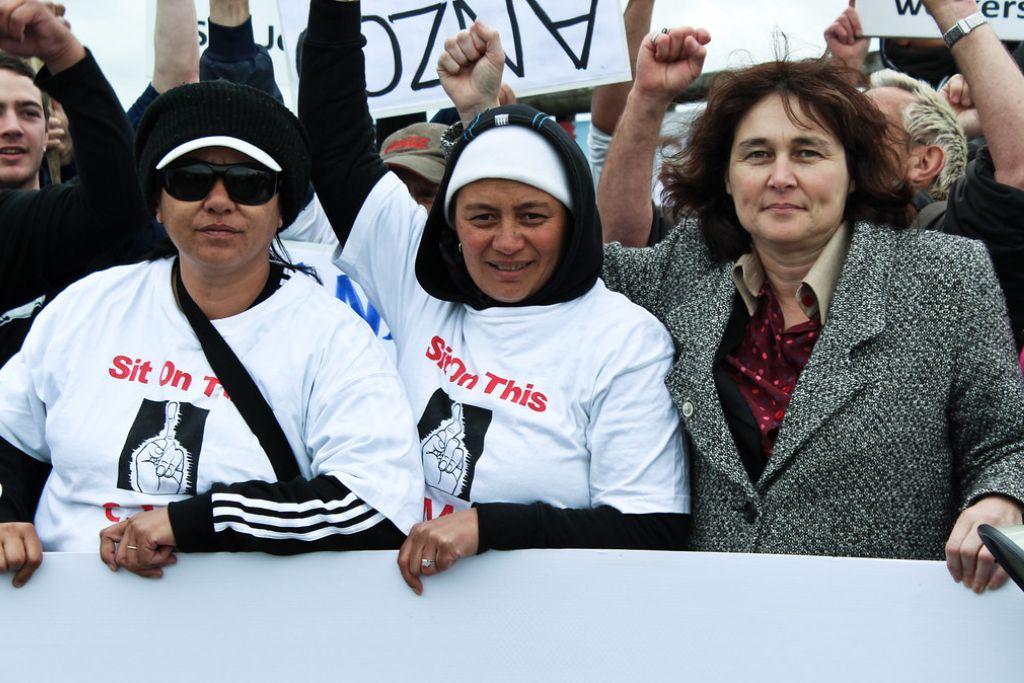
Helen Kelly on the ANZCO/CMP Lockout

Cory Bourne
Senior Policy Analyst at the NZCTU
Cory researches and analyses issues affecting workers and their unions. He is a Senior Policy Analyst in the policy team at the New Zealand Council of Trade Unions Te Kauae Kaimahi, the peak body of the union movement.
Cory's policy areas include health and safety, worker rehabilitation, ACC, the health sector, and worker engagement. Across these areas, he writes the CTU's submissions to Parliament, engages with government and works with affiliated unions to make sure workers' experiences shape policy decisions. He is legally trained and previously worked as a lawyer representing workers in employment and ACC claims.


