
As a long-time fan of The Hunger Games books and films, I always get chills during the scene in The Hunger Games: Mockingjay - Part 1 when Katniss Everdeen (played by Jennifer Lawrence) screams her defiant warning to President Coriolanus Snow (played by Donald Sutherland): "And if we burn, you burn with us!"
This year, I witnessed people use that iconic quote during protests in Indonesia over urgent demands, including the government's response to the devastating forest and peatland fires. For months, these blazes have burned across the archipelago, from Sumatra to Kalimantan and Papua.
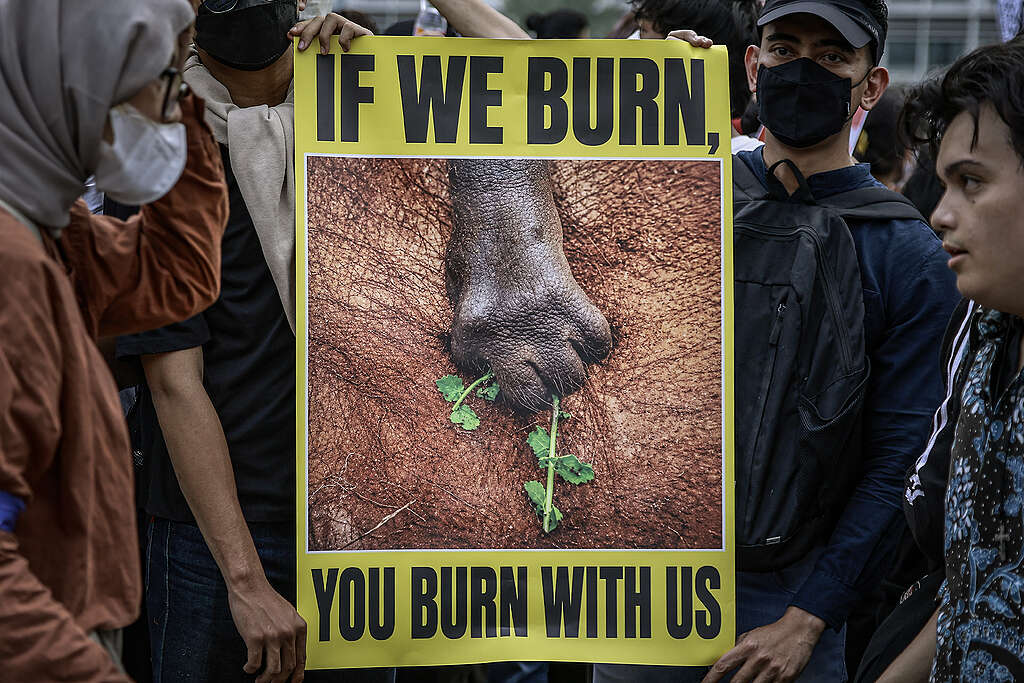
The fires have not only led to the destruction of nature, but have also caused a prolonged deadly haze that exposed around 40 million people to hazardous-level air pollution, claiming at least 3,560 lives by September 2026.
As toxic smoke blankets cities and transcends borders, we know that this orange sky is not a dystopian film filter. It is our blue sky being stolen, and real lives are being taken.
El Niño is not the sole culprit
Around 1,9 million hectares of land and 85,000 hectares of forest across Indonesia were devastated by fires between January and September 2026, and there were 6,811 haze-source spots between August and October.
A conservation zone in Gunung Palung National Park, West Kalimantan province – home to thousands of orangutans – has been severely damaged, while primary natural forests in Papua have been catastrophically affected since last month.
"Again, we are losing our forests, including the natural forests of Papua, which serve as one of our final safeguards against the climate crisis. The loss of forests is not merely the disappearance of trees and their shade; it is the destruction of the life-support and climate systems we depend on," said Belgis Habiba, Greenpeace Indonesia Forest Campaigner.
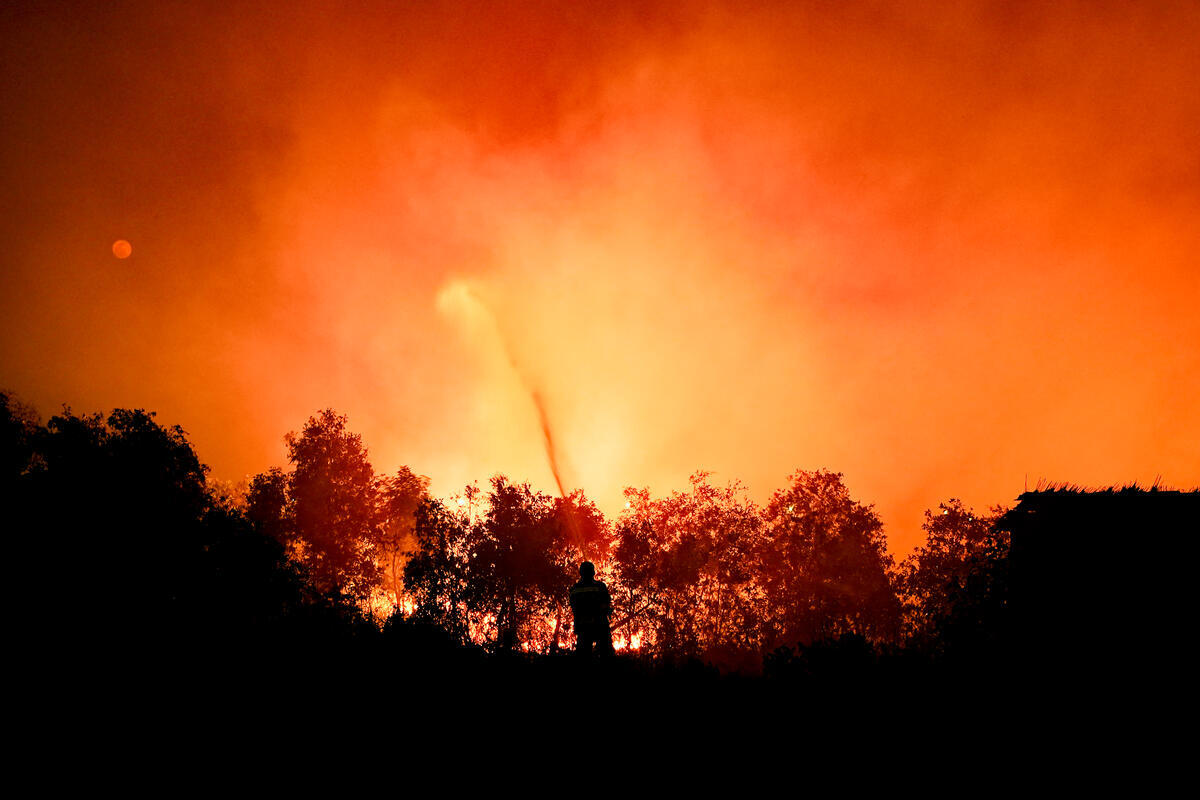
El Niño occurring since mid-year has triggered fires and crippling droughts across many parts of Indonesia, but it is not the only culprit. For a long time, palm oil and pulp & paper companies have used illegal slash-and-burn methods to rake in massive profits while nature and everyday people bear the cost.
Belgis emphasised that the Indonesian government should have proactively mitigated the forest and peatland fires – which are both predictable and preventable – rather than focusing solely on extinguishing blazes without addressing their root causes. This requires genuine peatland ecosystem protection and restoration, sustainable water management, and firm legal enforcement against those causing and exacerbating forest destruction.
People are dying from toxic wildfire haze
Classes are cancelled, workplaces forced to close, many are struggling to breathe.
The fires have contributed to recurring haze that affects communities, where vulnerable groups – children, the elderly, and people with pre-existing health problems – face increased risks of respiratory illnesses.
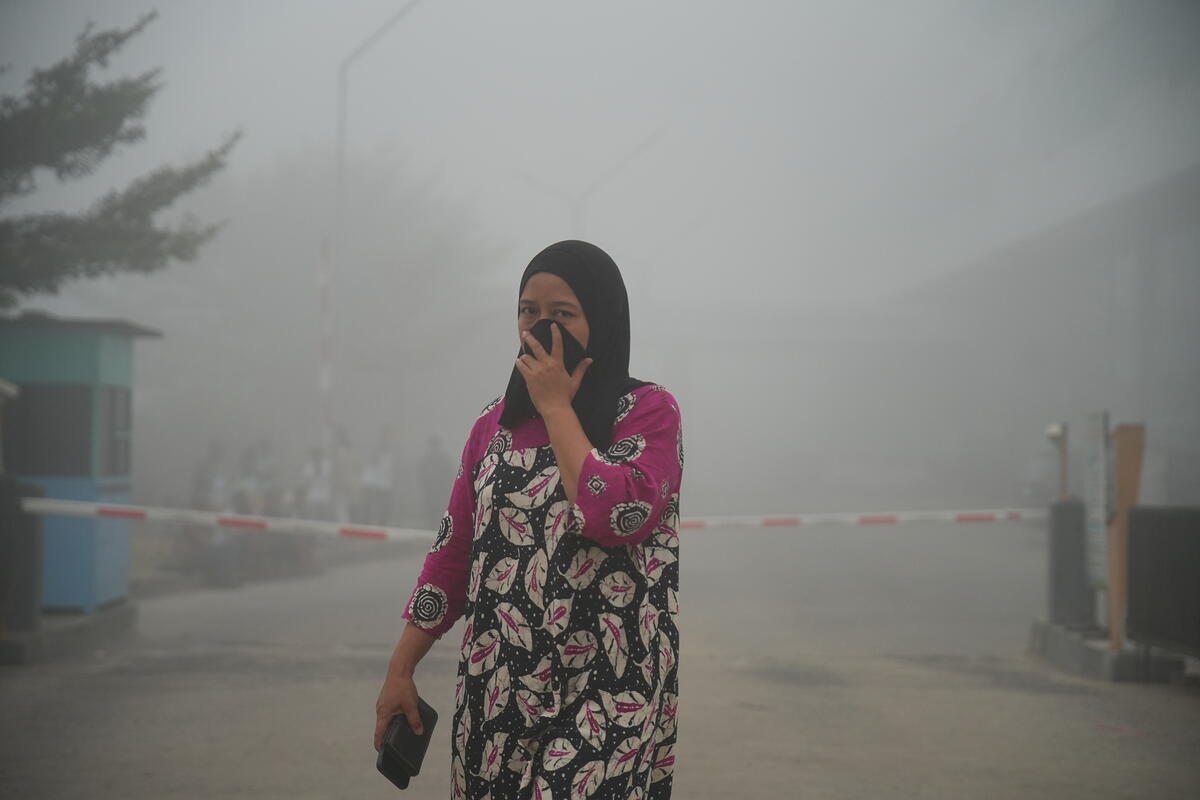
Data from the Indonesian Ministry of Health recorded 401,586 cases of acute respiratory infection (ARI) linked to Indonesia's forest and peatland fires across 7 provinces and 63 districts as of 2 November 2026, with 91,913 of those cases involving children aged 0-5 years.
Even Malaysia's Borneo region experienced its worst haze crisis in a decade with surging respiratory illnesses as toxic smoke travelled across Southeast Asia to neighbouring countries, such as Malaysia, Singapore, Brunei Darussalam, Thailand, Vietnam, and the Philippines.
A report from the Center for Research on Energy and Clean Air (CREA) shows that in September 2026 alone, air pollution-related deaths driven primarily by these fires reached 3,560 nationwide. Furthermore, 10 individuals battling the fires on the frontlines – from volunteers to firefighters – have lost their lives.
No one should have to worry about the air they breathe. A persistent lack of responsiveness from the government in handling this crisis makes a dystopian society feel increasingly real.
"The rising number of deaths and cases of acute respiratory infections (ARI) resulting from air pollution – caused by haze from forest and peatland fires – highlights a recurring failure by the Indonesian government. First, they have failed to ensure that citizens have access to clean air, which is a fundamental human right. Second, they have failed to mitigate the impact of the haze by refusing to declare a national disaster, resulting in a sluggish response in providing urgent support to those affected," said Belgis.
People power is louder than ever
On 20 October 2026, marking the second year of the Prabowo-Gibran administration, Greenpeace Indonesia activists staged a peaceful action by scaling the iconic Selamat Datang (Welcome) Monument in the heart of Jakarta. They unfurled banners in Bahasa Indonesia reading "Disasters are Getting Worse, the People are Struggling, What is the Government Doing?" and "No Progress without Protest," demanding urgent climate action – specifically regarding the haze – and a lower cost of living. This creative action quickly went viral on social media, prompting an immediate government response.
A week later, on Indonesia's Youth Pledge Day, thousands of students and civil society groups across Jakarta and other major cities rallied with five key demands, and among them was urgent environmental crisis management: declaring the fires a national disaster and prosecuting the corporate actors responsible.
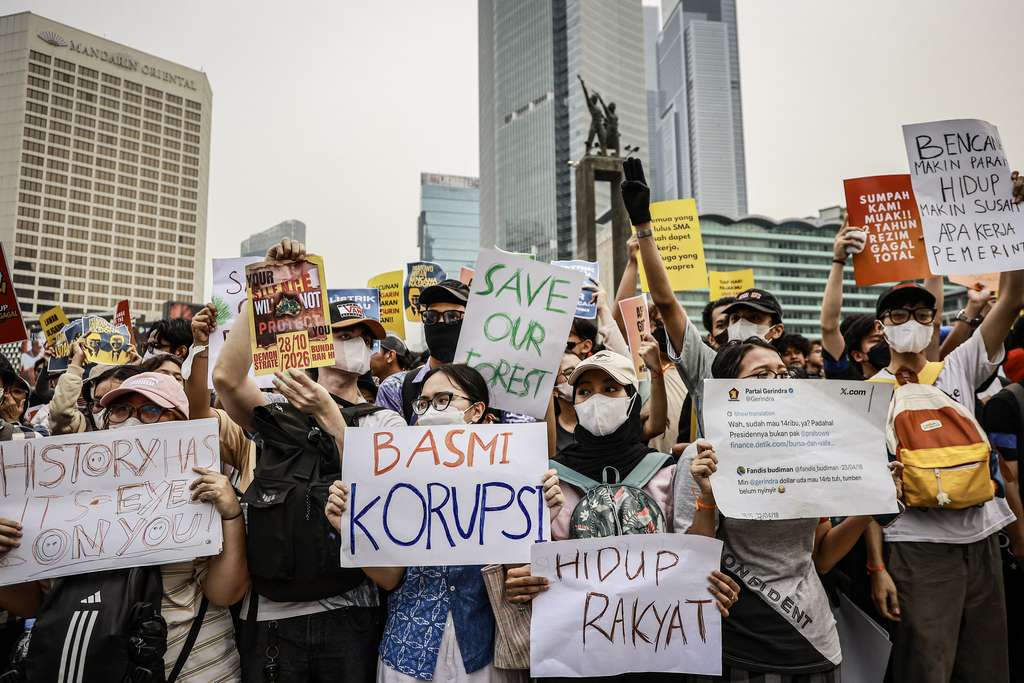
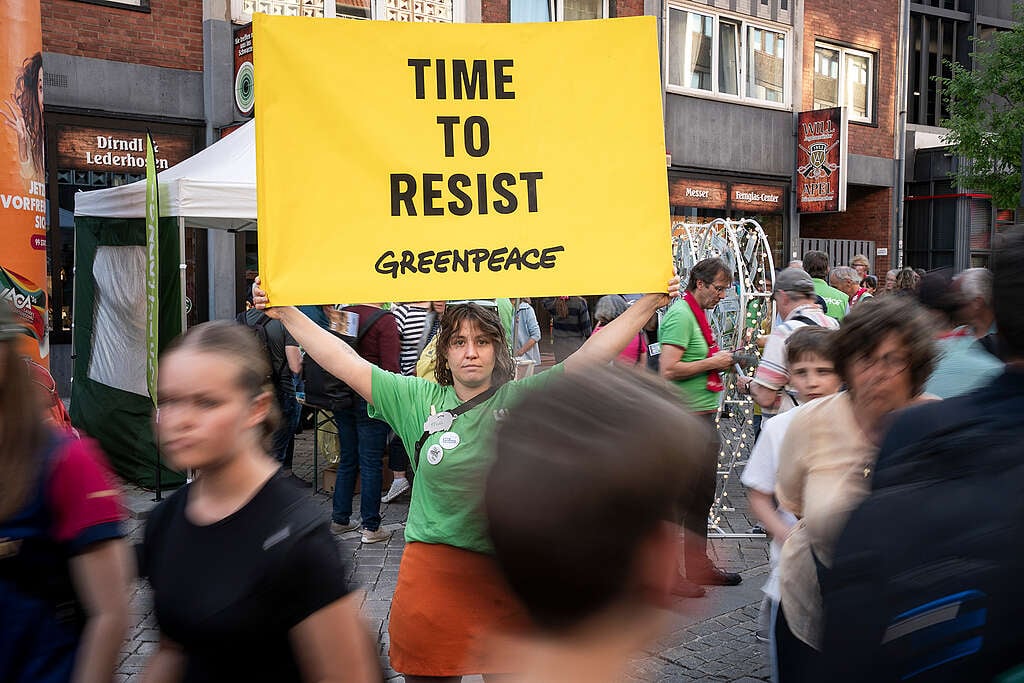
The moment when people take to the streets is a powerful sign of hope. We are refusing a future we didn't choose. More and more of us won't let those in power believe we are backing down.
We have spoken, we have shown up, we are becoming louder than ever.
This generation resists and we are starting to see its power.
Using creativity and conversation, we can challenge the billionaires and companies trying to silence us. Here are a few ideas.


