
Described as "sometimes modest, sometimes historic," UN special political missions have quietly been preventing the escalation of conflicts during the organization's 80-year history, becoming a key instrument for maintaining peace.
Many of the United Nations' biggest successes are the crises that never make the headlines.
Around the world, special political missions work quietly to ease tensions, broker agreements and support fragile political transitions. Their tools are negotiation, mediation and diplomacy.
Unlike the perhaps more visible peacekeeping missions, they have no armoured vehicles or armed troops.
At the launch of the first-ever comprehensive overview of these missions , Rosemary DiCarlo, UN Under-Secretary-General for Political and Peacebuilding Affairs, described their record as "sometimes modest, sometimes historic," adding that it points to "one enduring truth: diplomacy works." That lesson, she said, is especially relevant today.
The review covers the period from 1948 to 2025 and shows how the Organization's political role has evolved alongside a changing world.
From Palestine to the present day
The first such mission was established in May 1948 almost immediately after the United Nations was created.
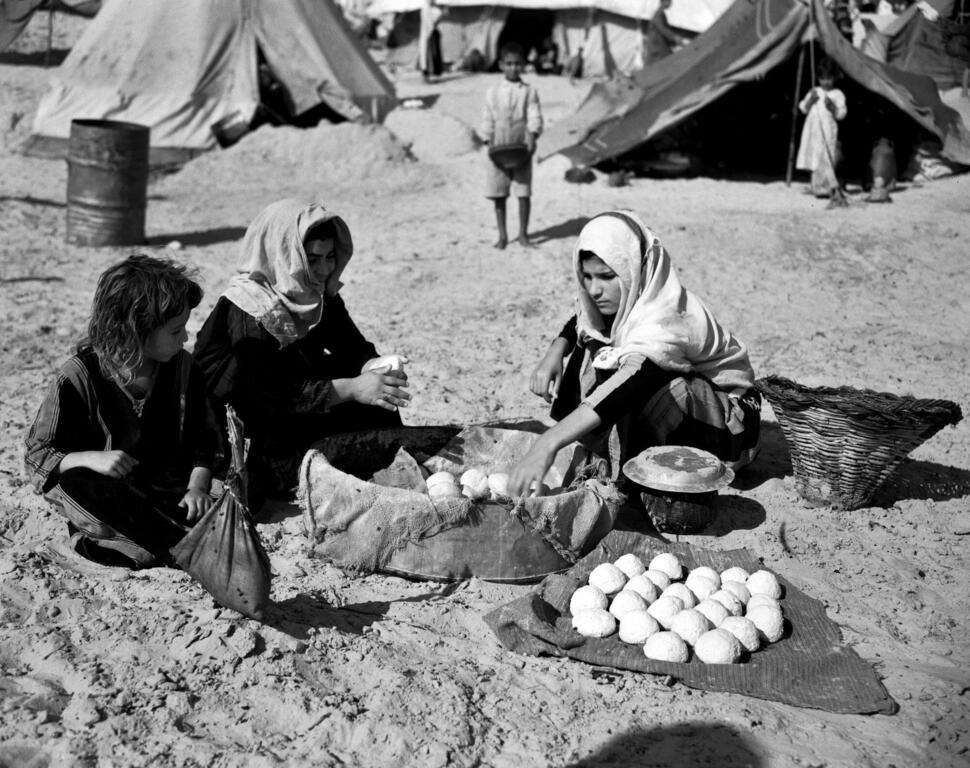
Swedish diplomat Count Folke Bernadotte was appointed as the UN Mediator in Palestine, the first time the UN deployed a special envoy to help resolve an armed conflict.
Today, special political missions perform a wide range of functions.
They are civilian missions mandated to:
- Prevent conflict
- Support peace processes
- Help build sustainable peace
Some facilitate peace negotiations, others monitor ceasefire agreements, support border demarcation, investigate serious violations, or assist political reform processes.
According to Rosemary DiCarlo, the defining feature of special political missions is their diversity.
"They have taken the form of envoys of the Secretary-General, of fact finding and investigative missions, of regional offices, of panels of experts helping the Security Council monitor sanctions regimes, and of missions accompanying complex political transitions," she said.
"Flexibility has always been their strength. The same instrument that helped broker a ceasefire can also demarcate a border or support the dismantling of a chemical weapons program. Few multilateral instruments are as adaptable," she explained.
Helping countries become states
One of the most remarkable early examples was the UN's role in Libya's path to independence.
By the late 1940s, the country, which had been an Italian colony from 1911 to 1942 and before that part of the Ottoman Empire, was divided and operated under different administrative systems.
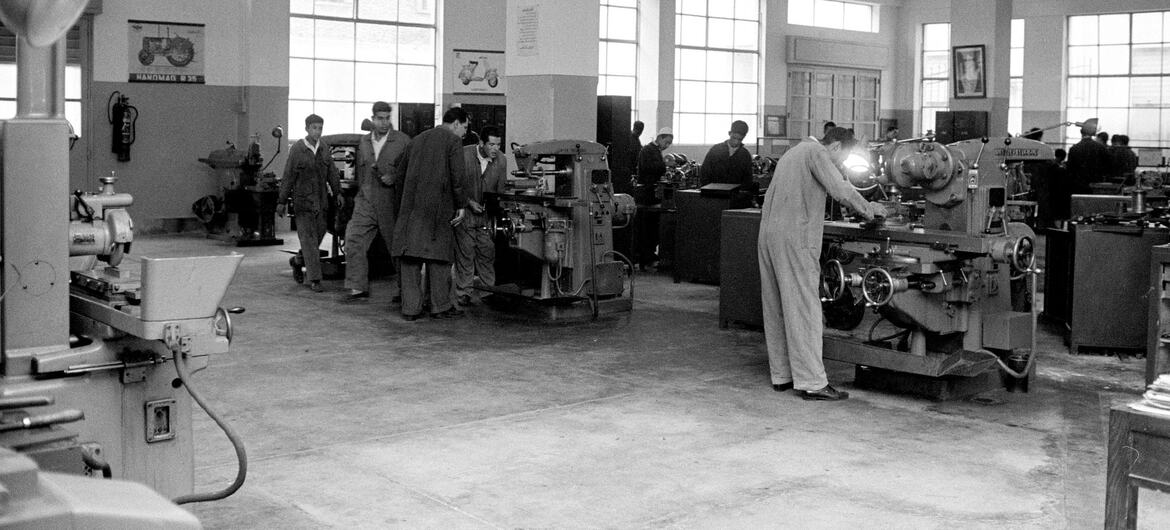
A UN commission helped bridge political differences, draft a constitution, establish a provisional government, create a unified financial system and train civil servants.
Just two years later, Libya became the first country to achieve independence through a UN sponsored process.
Similar missions supported decolonization elsewhere.
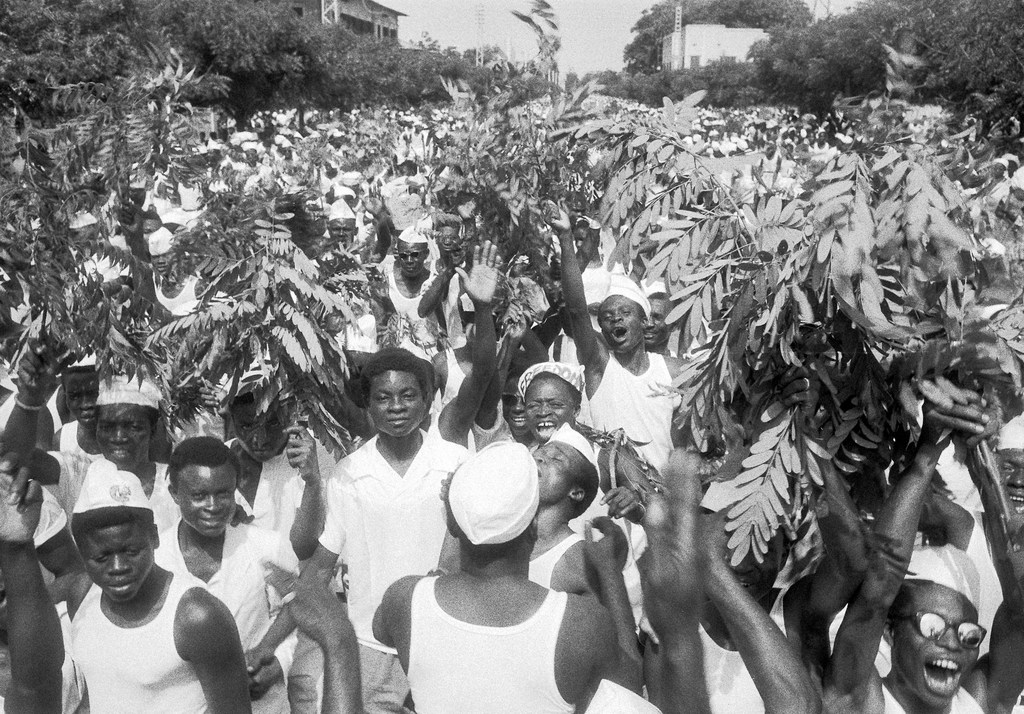
UN representatives organized plebiscites and referendums in Cameroon, Equatorial Guinea and Togoland, conducted consultations with the people of Bahrain and helped newly independent states build their own institutions.
Diplomacy during the Cold War
During the Cold War, the Security Council's ability to act was often constrained by rivalry between the superpowers. As a result, the United Nations increasingly relied on the Secretary-General's special representatives.
In the 1980s, the Secretary-General's Personal Representative led years of negotiations on Afghanistan that culminated in the signing of the Geneva Accords in 1988.
Around the same time, another Special Representative helped sustain negotiations between Iran and Iraq.
For Ms. DiCarlo, that history carries an important message for the present. "Geopolitical division is not an excuse for inaction," she said, noting that special political missions operated throughout the Cold War and still achieved breakthroughs.
New challenges after the Cold War
The end of the bipolar world order unleashed tensions that had long been contained and led to a sharp increase in the number of political missions.
From the 1990s onward, they increasingly helped countries organize elections, draft new constitutions, reform state institutions and rebuild trust after civil wars.
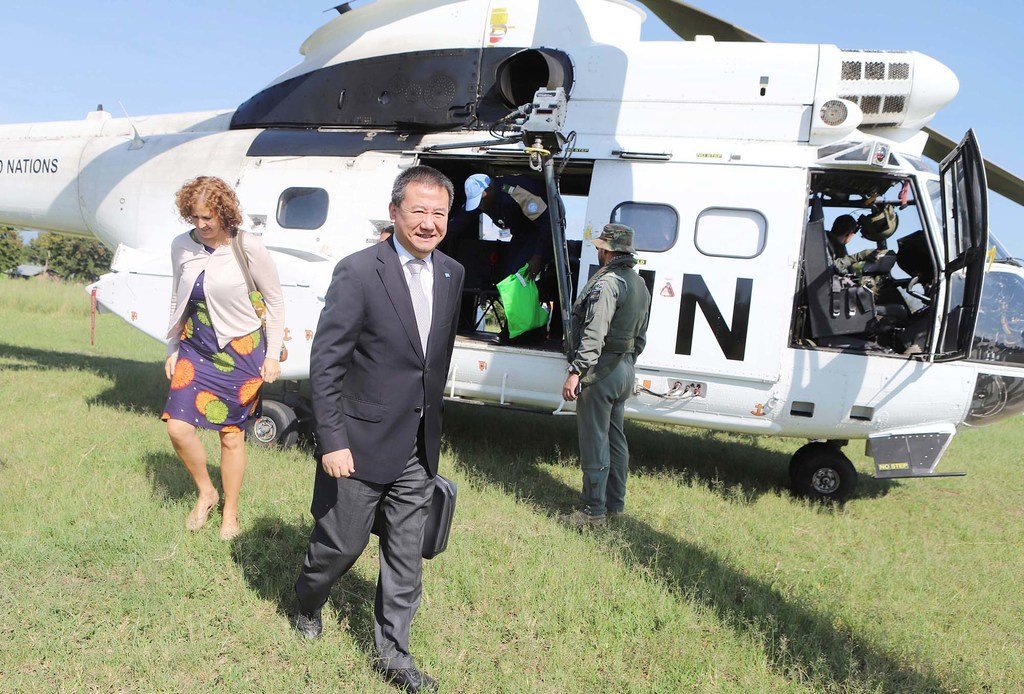
A notable success came in Tajikistan, where a UN political mission helped support the implementation of the 1997 peace agreement, contributing to the country's transition from civil war to peace.
UN political missions worked in El Salvador, Guatemala, Burundi, Somalia, Nepal, Angola, Haiti and many other countries. At the same time, expert panels were established to monitor compliance with Security Council sanctions.
Haiti and today's fragile transitions
Haiti shows how special political missions continue to evolve. Unlike missions established to implement peace agreements, the UN Integrated Office in Haiti, known as BINUH , is helping promote inclusive political dialogue, support preparations for elections after years without national polls, and coordinate international efforts as the country faces insecurity and institutional fragility.
Carlos Ruiz Massieu, the Secretary-General's Special Representative for Haiti and head of BINUH, said the mission's work depends on one essential ingredient: trust.
"There is trust in the UN," he said, adding that there is also trust that special political missions "can deliver." That confidence, he stressed, is something to recognize, cherish and strengthen.
Work that rarely makes headlines
By the end of 2025, the United Nations had 40 special political missions operating around the world. Today, they are increasingly focused on targeted political tasks: conflict prevention, mediation, regional diplomacy and support for peace processes tailored to specific contexts.
Their work is often invisible by design. They operate through quiet diplomacy, confidential contacts and patient engagement with governments, conflict parties, regional organizations and civil society.
Shamala Kandiah Thompson, from the independent Security Council Report publication, said these missions have "quietly become an indispensable instrument for conflict prevention and political engagement." They may be less visible than peacekeeping operations, she said, but they are "no less essential."
Looking ahead, DiCarlo said the publication is not only a record of the past, but also a reminder of what is possible.
"Even in the most difficult of circumstances, dialogue can open doors, patience can build trust, and diplomacy can change the course of history," she said.


