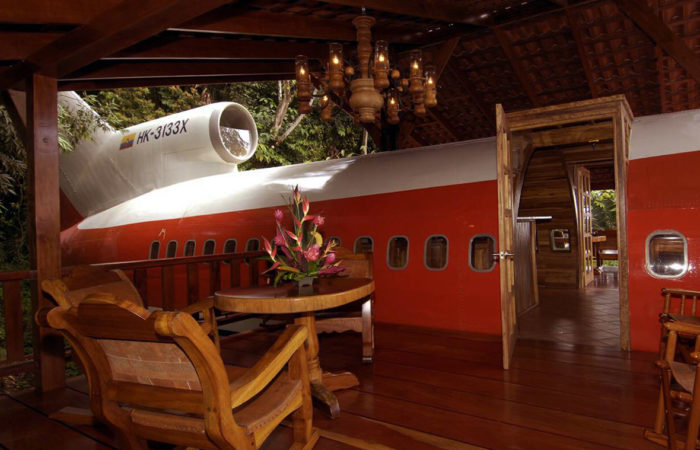
This year, escape the ordinary and apply for the job of a lifetime in Antarctica.
While January is often associated with post-Christmas gloom, British Antarctic Survey (BAS) is looking for people to work at its research stations in Antarctica, offering the chance to turn resolutions into reality.
Carpenters, chefs, plumbers, boat handlers, scuba divers, plant operators and more are encouraged to apply for a job that offers the ultimate career change for those seeking adventure at the end of the Earth.
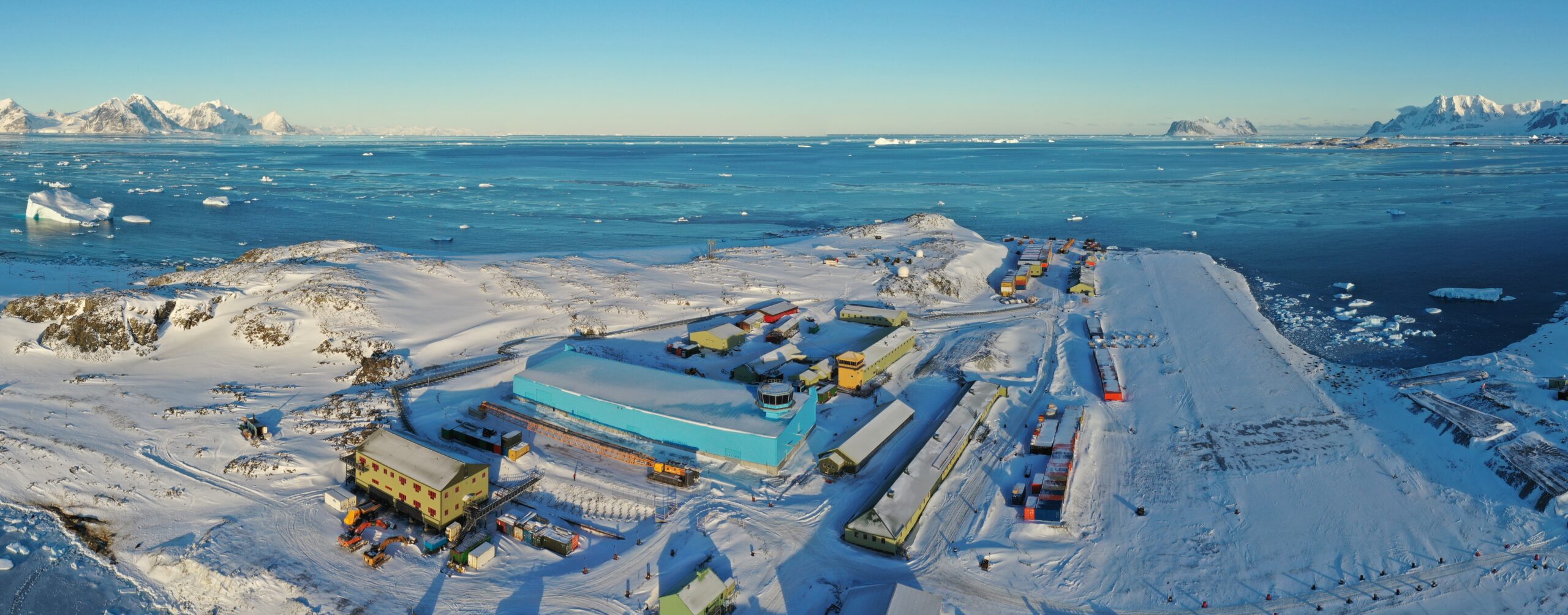
BAS is a world-leading centre for polar research and operations. Its researchers discovered the ozone hole in 1985, and today, BAS scientists are studying how the frozen parts of our planet are changing as our climate warms, and what this means for people around the world.
Their Antarctic research stations are small, self-sufficient communities. Mike Brian began his career with BAS as a polar guide at Rothera Research Station and now manages operations for the station. He said:
"If you think about what it takes to keep a community going - plumbers, carpenters, mechanics, engineers, chefs - there's a job for that. The people working on our stations are ordinary people, often doing an ordinary job - just in an extraordinary place!"
Working for BAS is a job unlike any other and an experience that will provide memories to last a lifetime. Successful applicants will work in some of the most remote and beautiful places on Earth, building lifelong friendships and contributing to vital science that is helping us understand our changing world.
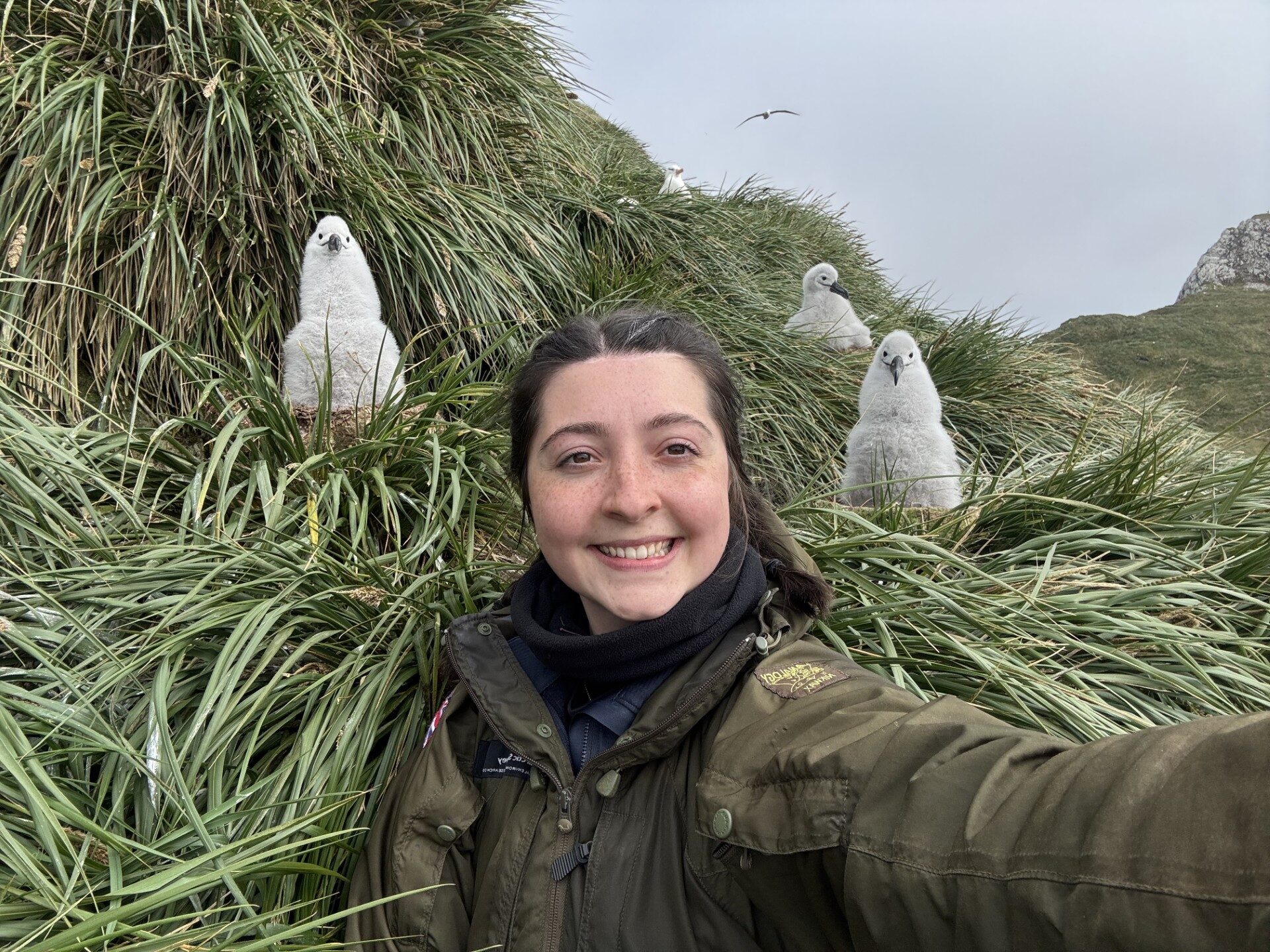
Jess Callaghan is a Zoological Field Assistant on the sub-Antarctic island of South Georgia. She has spent the past 16 months living on this remote island and would recommend the experience to anyone.
"Living on Bird Island is an ornithologist's dream come true. One day, I'll be working among our colony of 45,000 macaroni penguins, and the next I might be helping weighing Antarctic fur seal pups. If you're passionate about wildlife and are looking for an overseas adventure, I simply could not recommend this once-in-a-lifetime opportunity."
It's an experience that leaves a lot of people wanting more. Phill Coolman is a carpenter at Halley VI. He first came to the station six years ago and has returned every season. His role ranges from maintaining the station to solving practical problems to help carry out science in this extreme environment.
"Being a carpenter in Antarctica requires adaptability and teamwork. I've gained skills here that I've carried back to the "real world" and done things I never thought I would get the chance to do.
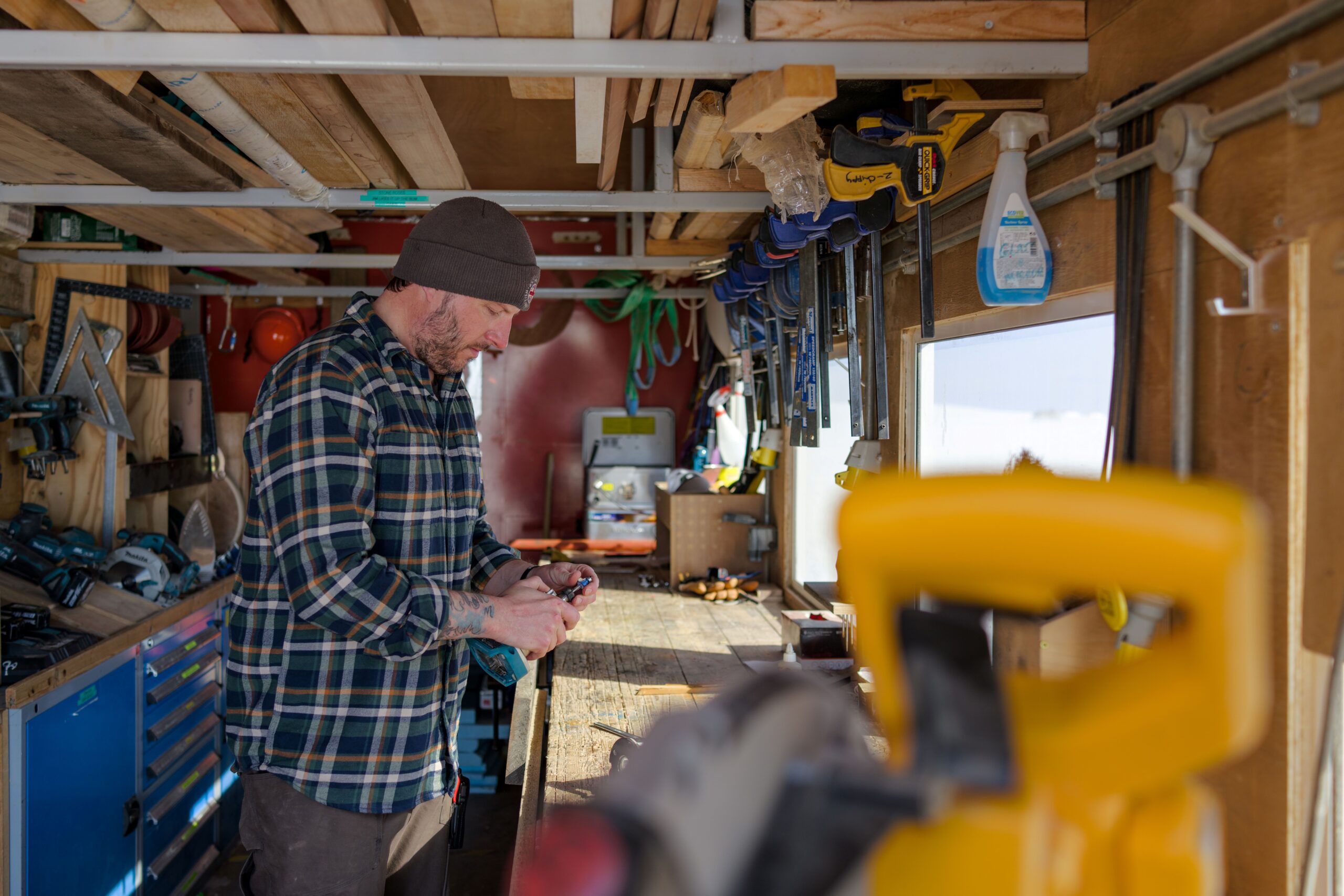
Halley is a not only a station and a team, it's a home and a family, and we all work together to keep the station and science running, even when the weather has other ideas! I planned on coming to Antarctica for one season and I've come back every season for the last 6 years and have no desire to stop any time soon."
Dan McKenzie is Station Leader at Halley VI Research Station. He's been working in Antarctica for five years.
"I've been lucky enough to work for BAS in a few different places. I started off as a plumber at Rothera and now I'm in the Station Leader role at Halley VI, an incredible place, filled with talented people.
I always think, I'm just a lad from Wigan, who never went to university and came from pretty humble beginnings, and now I'm here. That's the beauty of BAS, anyone can give it a try and if you work hard you never know where it will take you."
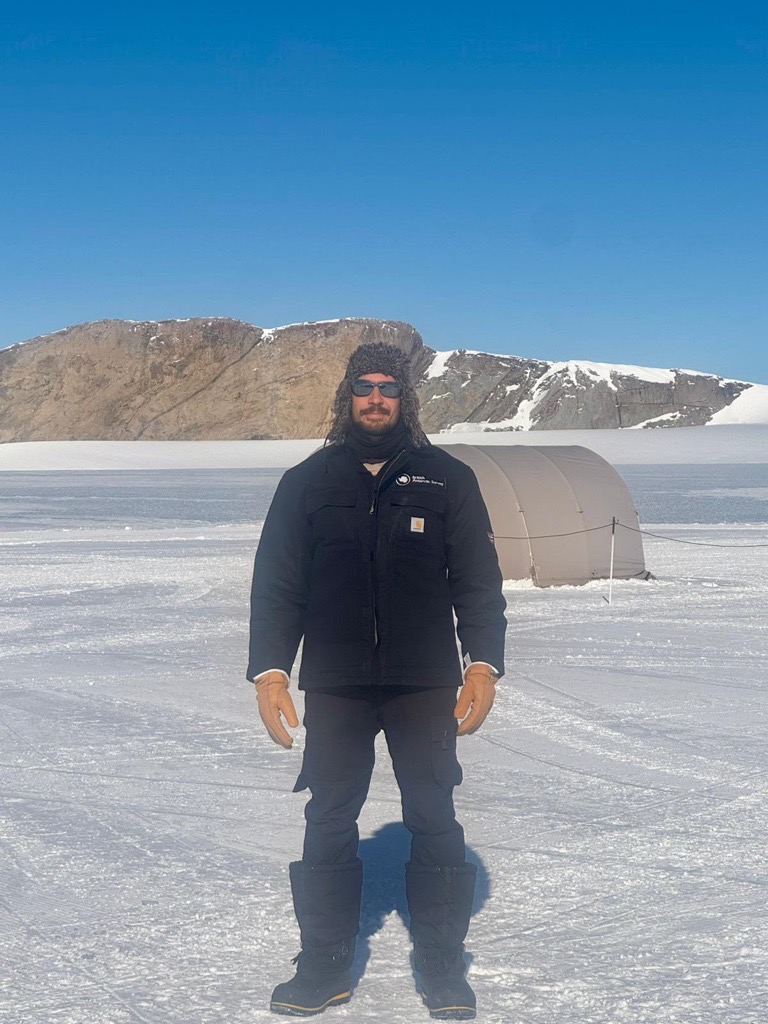
The first batch of jobs - including Agricultural Plant Operator, Diesel Power Generation Technician, Boating Officer, Diving Officer, Meteorological Observer and Radio Operator are now on the BAS website at bas.ac.uk/vacancies. Applicants should check the specific job advert for the relevant closing date, with contracts starting anytime between May and September. We will continue to post more vacancies, including chefs, station leaders and zoological field assistants over the next three months. You can sign up and to receive an email alert when roles are live through our recruitment pages.
Contracts run from six to 18 months and are flexible. Salaries start at £30,244 per annum, with a benefits package. There are no living costs in Antarctica - accommodation, food, travel, specialist clothing, tools and training are all provided.
Want to know more about what it's like to live and work in Antarctica?
- Why not visit BAS HQ in Cambridge and meet some of the people who work on the ice and find out what it's like to live and work in Antarctica. We're holding our biannual Open Day on Saturday 21 March.
- Check out our podcast Iceworld to hear stories from people working in these roles on the ice.