
What would you do, if a factory farm close to your home started burning pig waste? If toxic smoke and fumes began choking your community? If you're Wilberth Alfonso Nahuat Puc, you fight back.
Wilberth lives in Santa María Chí, a Mayan community of about 500 residents in the lush forests of Mexico's Yucatán peninsula. For years, he had to deal with an industrial megafarm holding 49,000 pigs just 250 meters from his town.
"The impact was direct. Water contaminated by high concentrations of nitrites, nitrates and fecal bacteria coming from the farms led to gastrointestinal and respiratory diseases," Wilberth says.
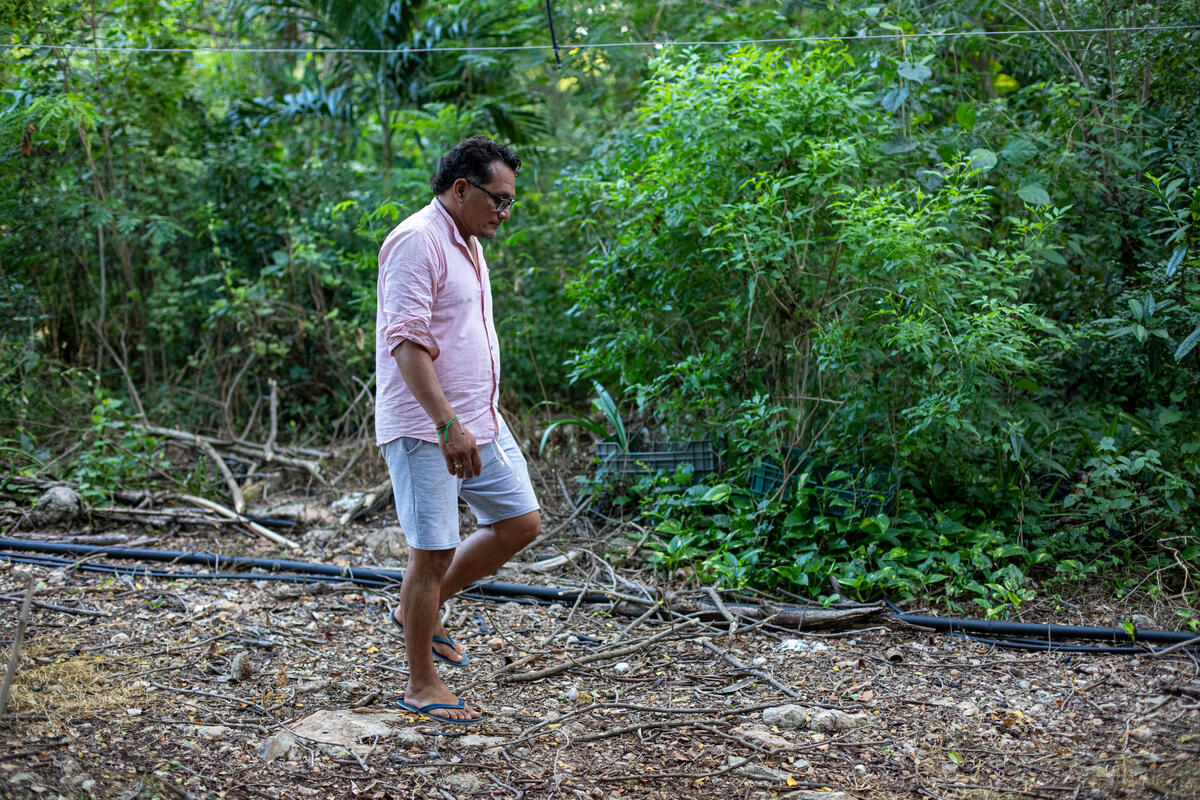
By 2023, the megafarm began burning pig waste, filling the air with toxic smoke that left local children and adults suffering from acute pharyngitis (a sudden, severe sore throat). Realising their health and home were on the line, the community organised peaceful protests to stop the burning.
The response from the farm's owners and authorities was swift and aggressive. Wilberth, acting as local Municipal Commissioner, was hit with lawsuits designed to silence local leadership and people standing up for their rights.
But Wilberth and his neighbours didn't go silent, instead they filed 28 environmental injunctions against state, municipal, and federal agencies, demanding transparency and testing. And their persistence worked. On September 4, 2025, environmental regulators permanently shut down the megafarm after confirming illegal wastewater dumping and repeated safety breaches. By April 30, 2026, the last animal was removed from the site.
The environmental cost of Mexico's pork expansion in the Maya rainforest
Wilberth's victory in Santa María Chí offers a hopeful roadmap for local action, but the broader threat remains. The state of Yucatán accounts for nearly 10% of Mexico's total pork production, driven largely by meat exports to international markets like the United States, South Korea and Japan.
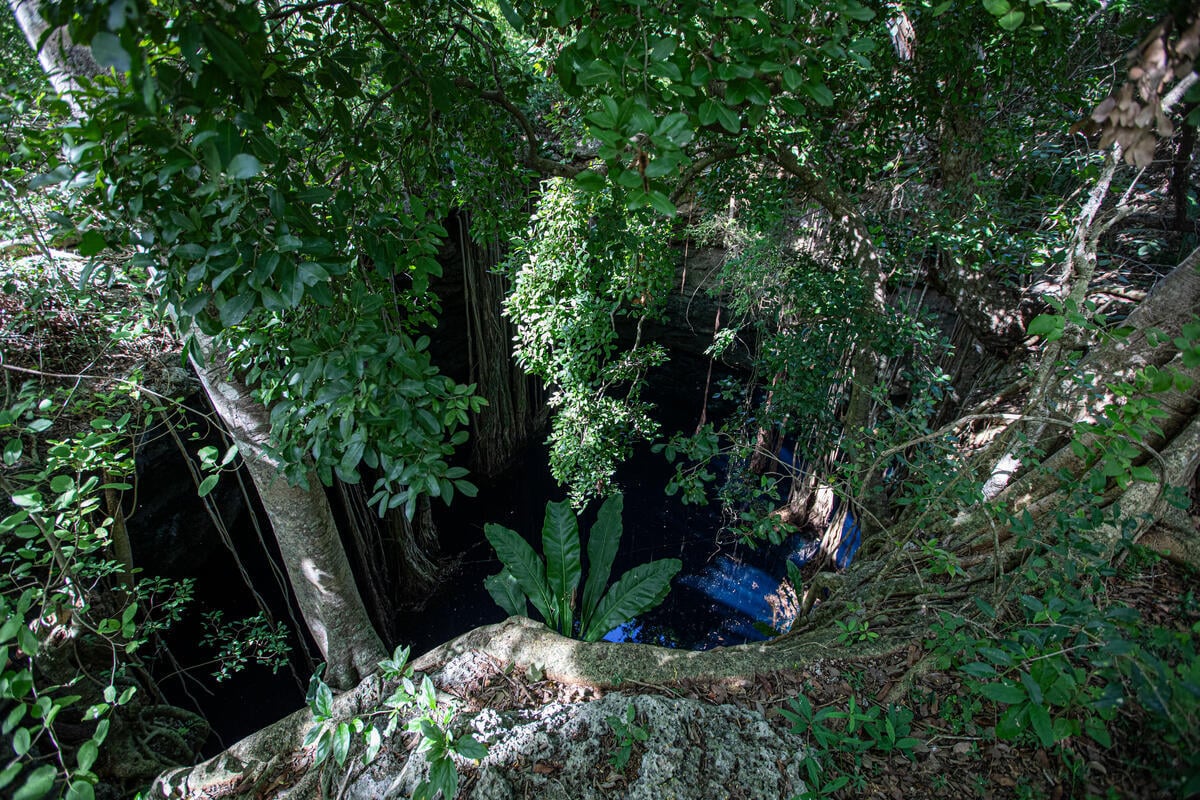
The region sits on top of the Great Mayan Aquifer, a vast subterranean freshwater system of wells and sinkholes known locally as cenotes (from the Mayan word "dzonot"). This freshwater system is a vital source of drinking water to 5 million people, and because the region's limestone ground is highly porous, liquid manure and chemical runoff sink almost instantly into the underground water network.
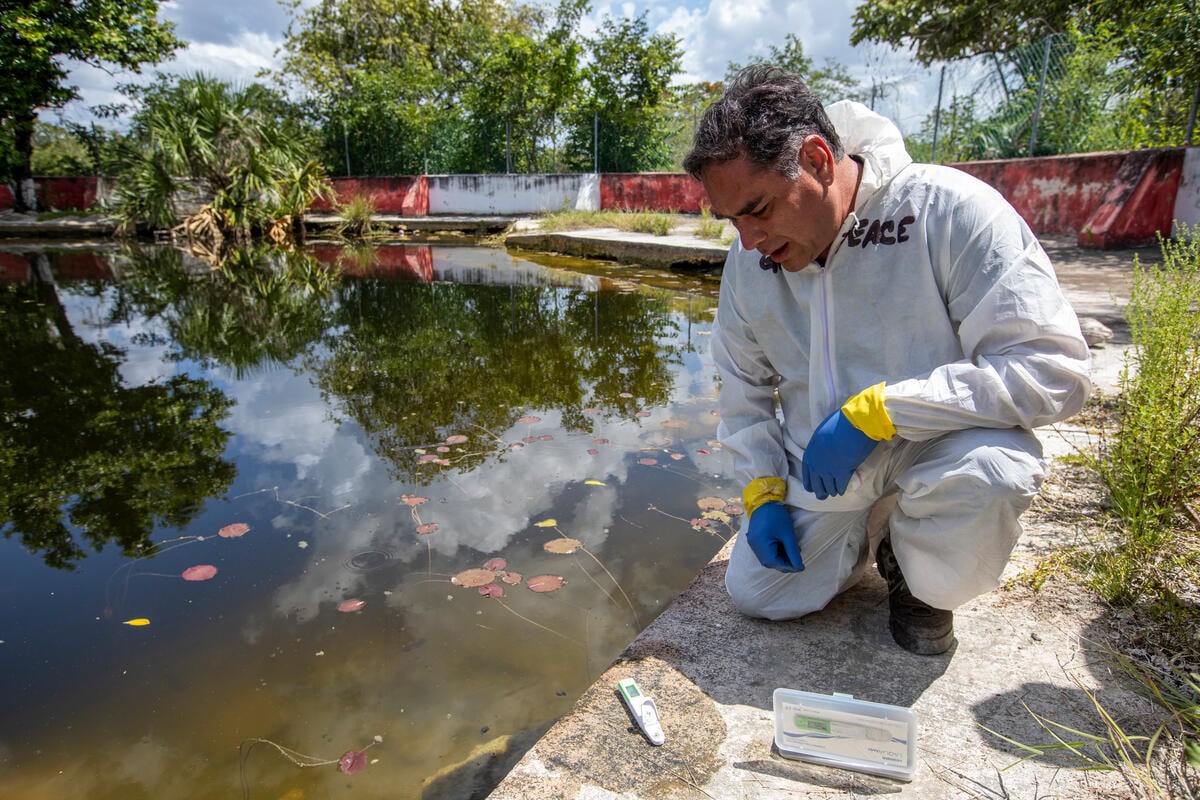
A new report released this week by Greenpeace México and Greenpeace International, titled "The Price of Pork", reveals the scope of this crisis. Water samples gathered across 17 sites in Yucatán showed widespread fecal contamination and nitrate levels far exceeding World Health Organization safety guidelines. High nitrate levels in drinking water are linked to serious health conditions, including colorectal cancer and pre-term birth – and a growing body of research links ingested nitrate to these risks at levels far below the current WHO guideline.
Despite these risks, official data shows that over 90% of industrial pig farms in the region operate without mandatory environmental impact assessments.
Community resistance against pork megafarms, and protecting the aquifer
Although Wilberth and his community successfully shut down their neighbouring megafarm, their work is far from over.
"We insist, resist, and persist against pork megafarms, because there is still much to do," Wilberth says. "The territory remains damaged, even though the farm that affected my community has closed. It is a problem that affects the entire peninsula, and we know our territory can no longer support another megafarm."
The toxic waste left behind still needs to be safely removed and the groundwater restored.
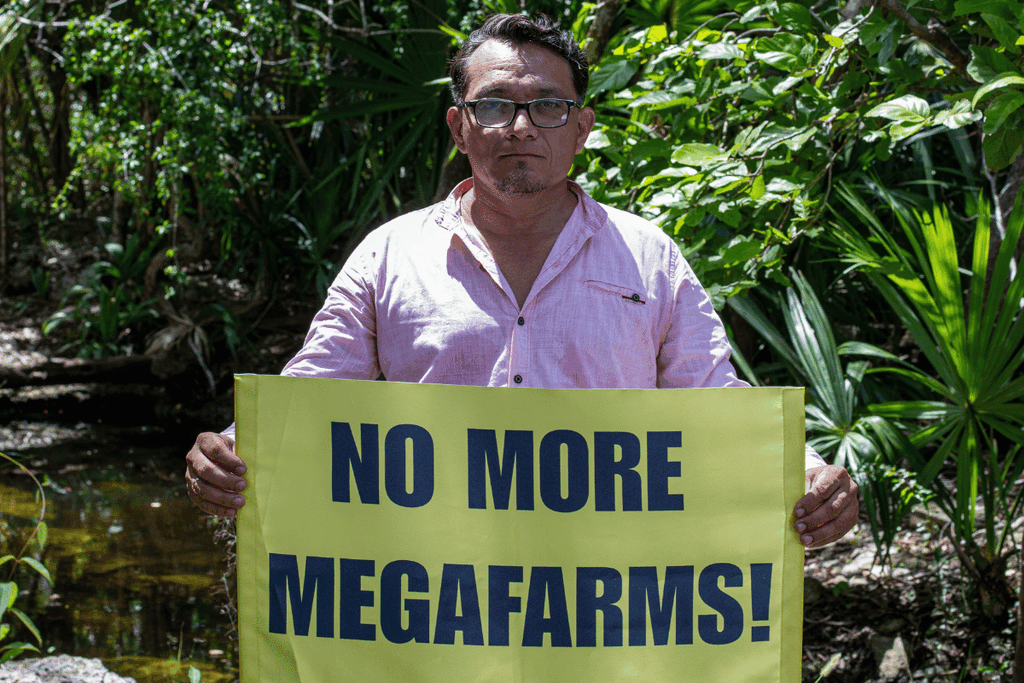
While Wilberth's story demonstrates the power of local people resisting industrial agriculture, it shouldn't be left to local communities and volunteers to fight every megafarm one by one. Across the rest of the Yucatán peninsula, hundreds of similar megafarms continue to operate near residential areas and protected ecosystems.
To protect local health and save the region's remaining clean water, Greenpeace México is urging Mexican authorities to place an immediate pause on new or expanding industrial pork operations, hold illegal operators accountable, and ensure local communities have a final say in developments that impact their water and land.
Across the world, massive factory farms are polluting local drinking water to line the pockets of a wealthy few. But communities are drawing a line in the sand. From the Yucatán Peninsula to every corner of the world, people are standing up, fighting back, and demanding clean water.
Water is a human right, not corporate profit. Join the global movement-sign the petition today.
It's time to cut through corporate lies, cut agriculture emissions and shift towards sustainable agroecology.
José Luis Perlasca is a Campaigner at Greenpeace México


