
A multidisciplinary surgical and transplant team at Mayo Clinic has successfully treated an exceptionally rare and life-threatening cancer that invaded a patient's heart and airway. The procedure combined advanced cardiac transplant surgery with complex airway reconstruction and represents a significant achievement in modern cancer care.
Tami Channel's thyroid cancer was so advanced that her family had begun planning hospice care. The tumor had severely compromised her airway and had encased her carotid artery and jugular vein, two of the body's most vital blood vessels.
Primary cancers of the heart are extremely rare. Most tumors that appear in the heart are benign, and malignant cardiac tumors such as sarcomas account for only a small fraction of all cancers. Airway tumors involving the throat or trachea are also uncommon and often detected late because early symptoms can resemble routine respiratory issues. When a malignant growth extends into both the heart and the airway, the risks multiply quickly because the tumor can narrow or block breathing passages and interfere with the heart's ability to function.
Faced with a tumor that had grown into vital structures and left the patient's airway nearly the width of a toothpick, the care team, including Mabel Ryder, M.D., a Mayo Clinic endocrinologist and Eric Moore, M.D., a Mayo Clinic head and neck surgeon recognized that conventional treatment would not be enough. Surgeons removed the diseased heart and replaced it with a donor heart, an approach typically used for end-stage heart failure. Advances in transplant surgery, organ matching and postoperative care have made heart transplantation a viable option for many patients, and long-term survival continues to improve.
"We were able to make it happen because it needed to be done," Dr. Moore says. "That's the Mayo difference."
The operating room reflected Mayo's integrated model: anesthesiology, perfusion, bronchoscopy, cardiothoracic surgery and head and neck surgery, with each discipline contributing seamlessly.
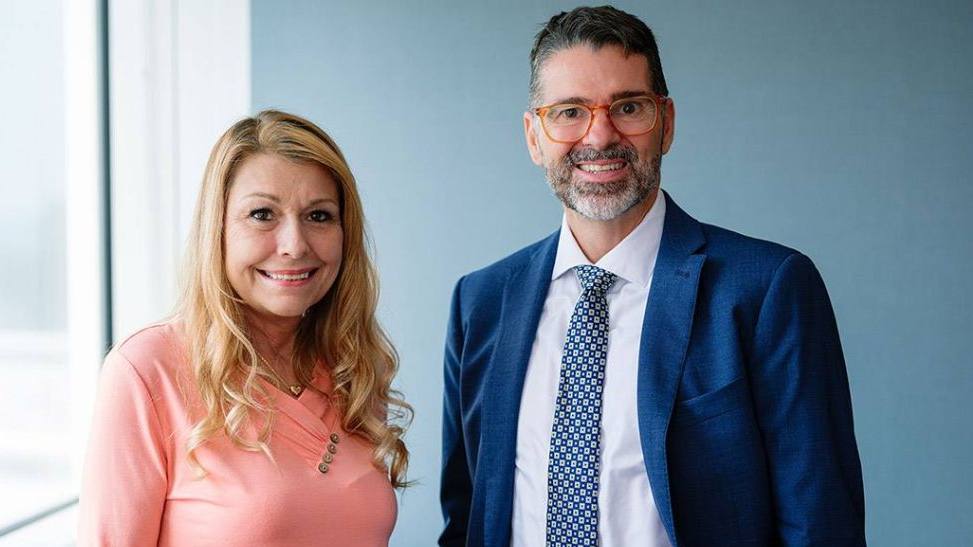
"It felt like a choreographed ballet," Dr. Moore says. "This kind of multidisciplinary precision doesn't just happen - it's the Mayo model in action."
During the same operation, specialists reconstructed the airway to restore safe breathing. Procedures of this complexity rely on close coordination among cardiac surgeons, thoracic and airway surgeons, ear, nose and throat specialists, anesthesiologists, oncologists, and critical care teams. Mayo Clinic Comprehensive Cancer Center combines cancer expertise with full transplant capability. Mayo experts are uniquely positioned to manage these cases because they can move quickly from diagnosis to organ allocation to surgery and recovery.
This successful intervention shows what is possible when specialists collaborate on rare cancers that cross organ systems. It also reflects the generosity of organ donors and the importance of advanced medical centers capable of providing personalized care for patients with few treatment options.


