
2 min read
NASA's Wallops Flight Facility in Virginia is scheduled to launch a sounding rocket carrying student-developed experiments for the agency's RockSatX and RockOn programs Wednesday, June 24, between 5:30 and 9:30 a.m. EDT, with a backup day on Thursday, June 25.
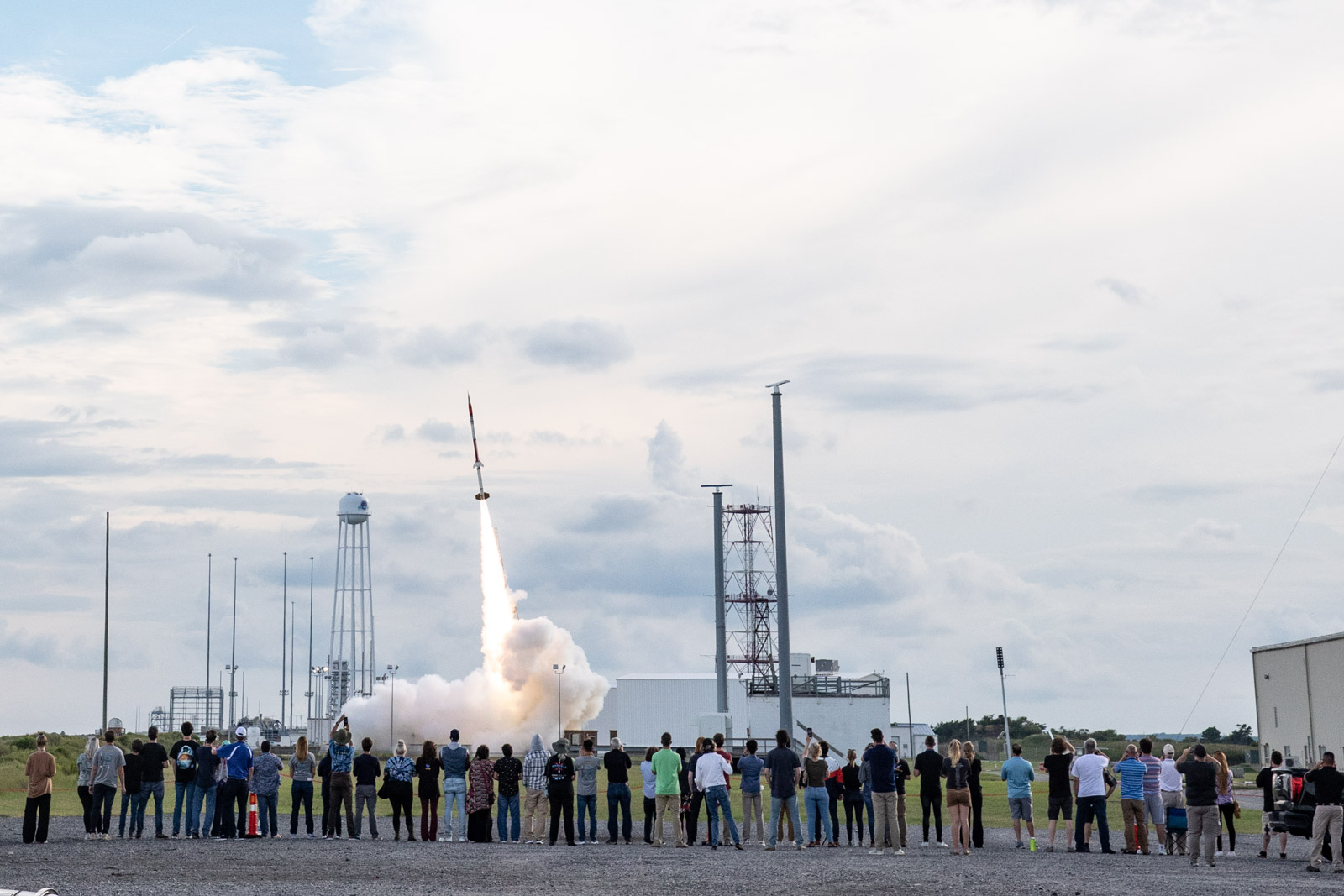
The RockSat and RockOn programs provide technical training and hands-on experiences that prepare and equip students to enter the United States aerospace industry. For the first time, NASA will combine both the RockSat and RockOn missions into one rocket, which will carry experiments developed by nearly 250 participants from 38 university and community college teams.
"The challenge was finding ways to fit as many experiments onto one sounding rocket as we could," said Victoria Stoffel, workforce development lead at NASA Wallops. "The Sounding Rocket Program Office team found creative ways to fit nearly 50 experiments into one rocket. We are grateful to the Wallops teams for making this happen for the students to get the most from this experience."
The RockOn teams work together to build their experiment onsite, getting hands-on experience putting together a circuit board from scratch and launching it into space. The more advanced RockSat program teams design and build their experiments, going through design reviews modeled on larger NASA missions. Each team can experience what it's like working on a real NASA mission, from development to launch.
The RockSat student experiments range from taking measurements of weather and radiation in Earth's upper atmosphere to testing technologies, such as heat shields, space-debris tracking, and robotic servicing, that could help future NASA missions.
The Terrier-Improved Malemute suborbital sounding rocket, which will carry the experiments, is expected to reach an altitude of about 100 miles before descending by parachute into the Atlantic Ocean to be recovered. The launch may be visible in the Chesapeake Bay region.
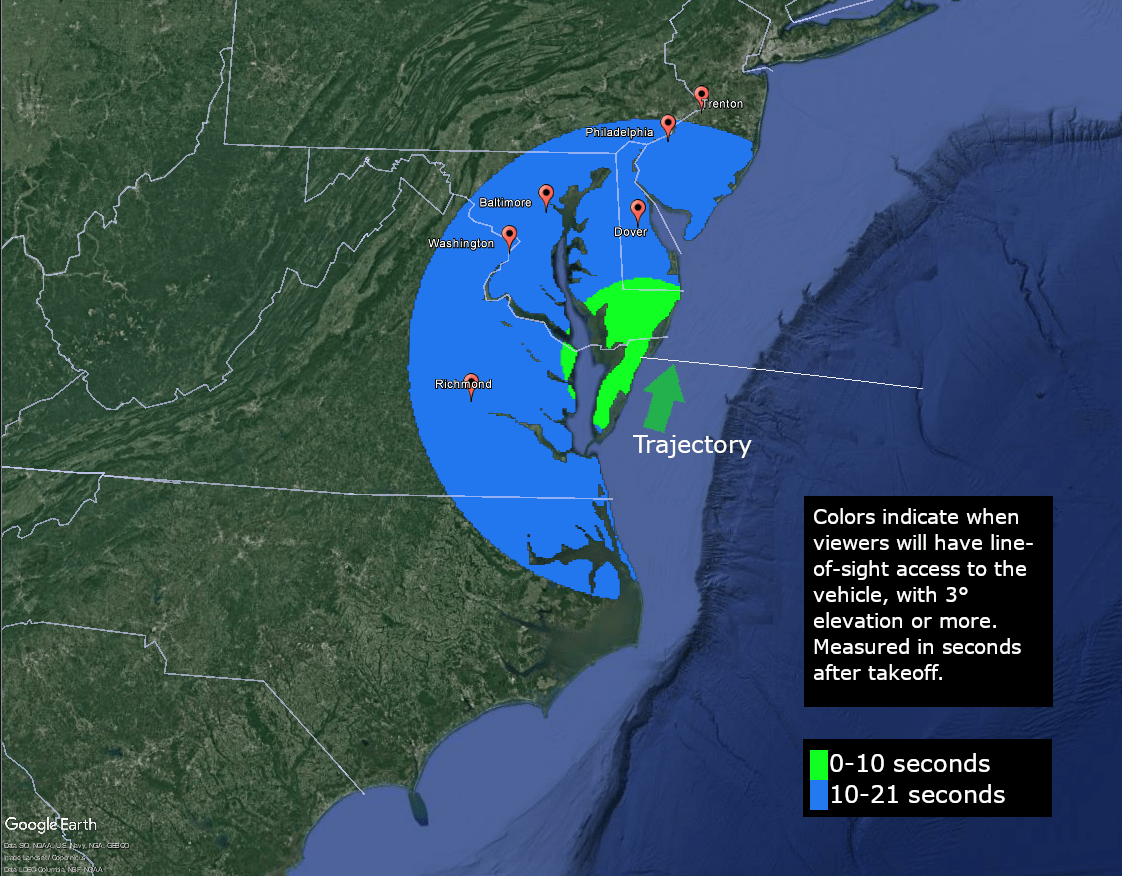
The Wallops Visitor Center's launch viewing area will open June 24 at 4:30 a.m. for viewing. A livestream will begin approximately 10 minutes before launch on the Wallops YouTube channel. Launch updates also are available via the center's Facebook page.


