
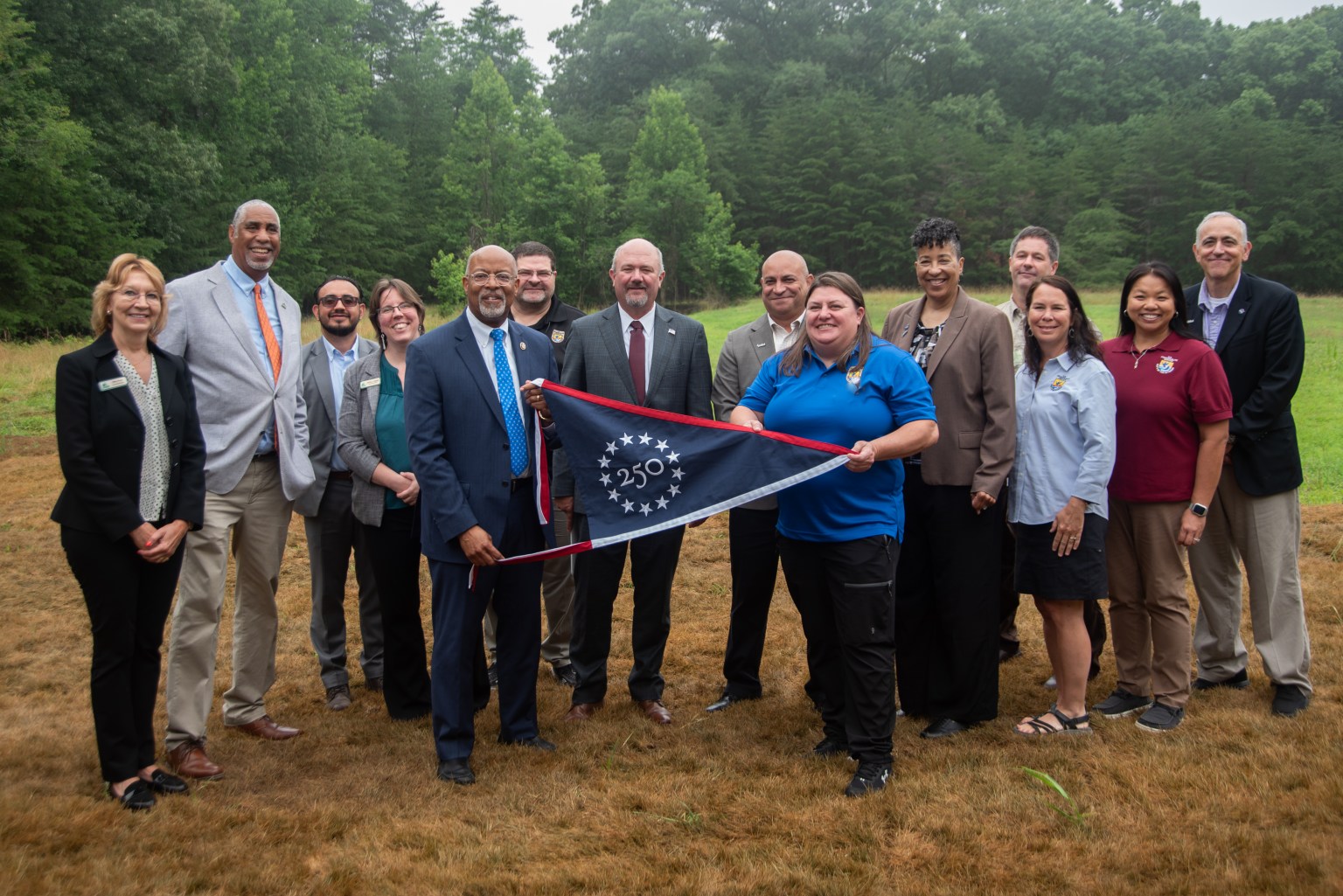
NASA ceremonially transferred ownership of about 105 acres of wooded land at its Goddard Space Flight Center's Greenbelt, Maryland, campus Tuesday to the adjoining Patuxent Research Refuge, managed by the U.S. Fish and Wildlife Service.
The property, formerly known as NASA Goddard's Area 400, is now part of the largest block of unfragmented forest between Washington and Baltimore. The nearly 13,000-acre woodland is the nation's only refuge specifically established to support wildlife research. The refuge also supports recreational uses, such as walking, biking, horseback riding, fishing, and hunting.
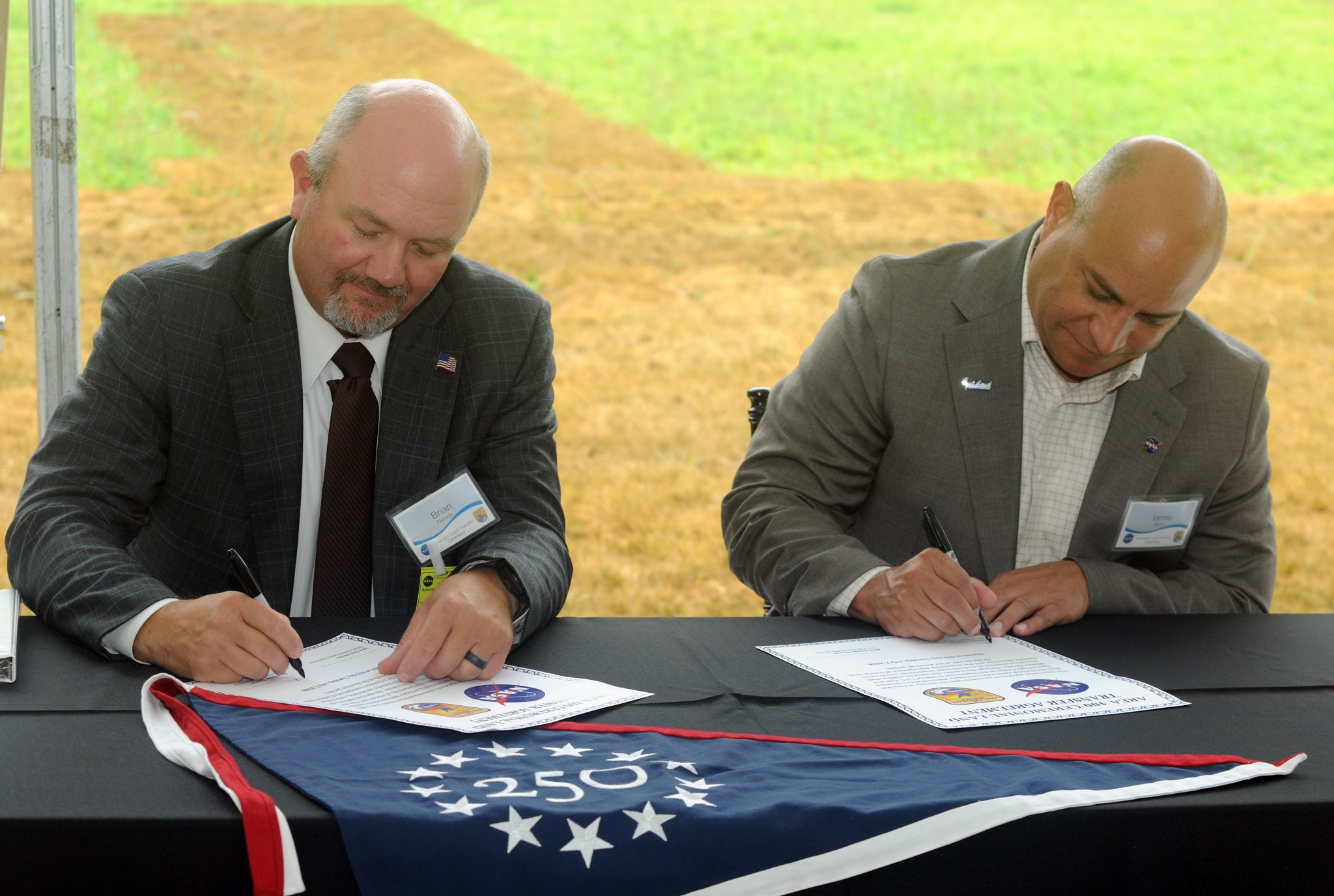
"For over six decades, NASA Goddard has helped shape humanity's understanding of Earth," said Jamie Dunn, center director, NASA Goddard. "We're glad to present this land to our colleagues in the Fish and Wildlife Service, whose conservation and research helps do the real legwork in preserving our Blue Marble for future generations."
NASA Goddard had used Area 400 for propellant research beginning in the 1960s. That work has largely since shifted to NASA facilities in other states or to commercial providers, and the property had long been a candidate for divestment. NASA and the Service began discussing a potential transfer in 2021.
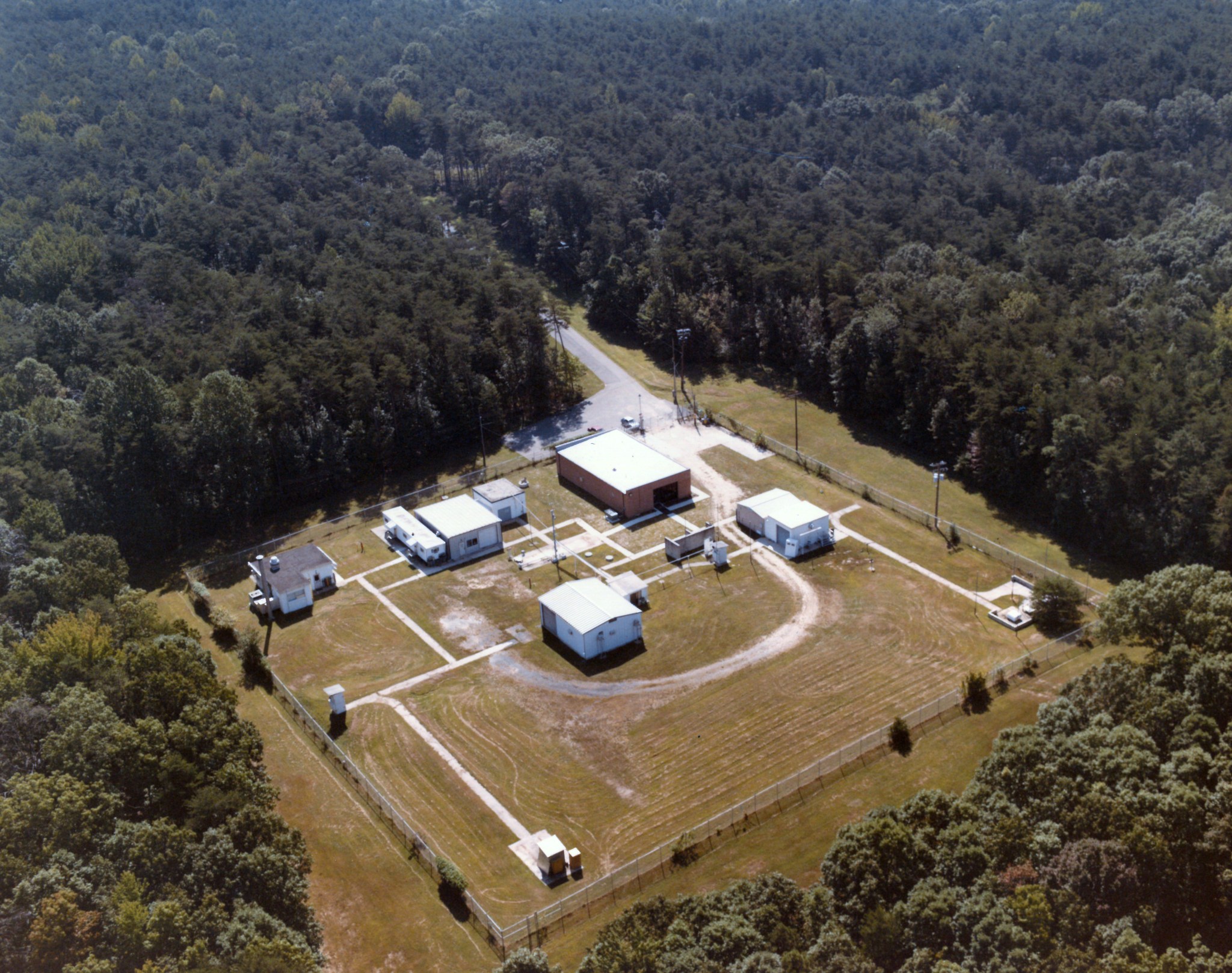
Prior to the transfer, Area 400 was still almost entirely wooded aside from a two-and-a-half-acre clearing with 11 small structures. The interagency transfer was effective on Feb. 23, and NASA recently completed its final closeout activities at the property, deconstructing the buildings, roadway, and utility service.
"Through working with partners on the best use of land, as exemplified with this land transfer, we can continue to conserve America's natural beauty and expand outdoor recreation opportunities for future generations," said U.S. Fish and Wildlife Service Director Brian Nesvik.


