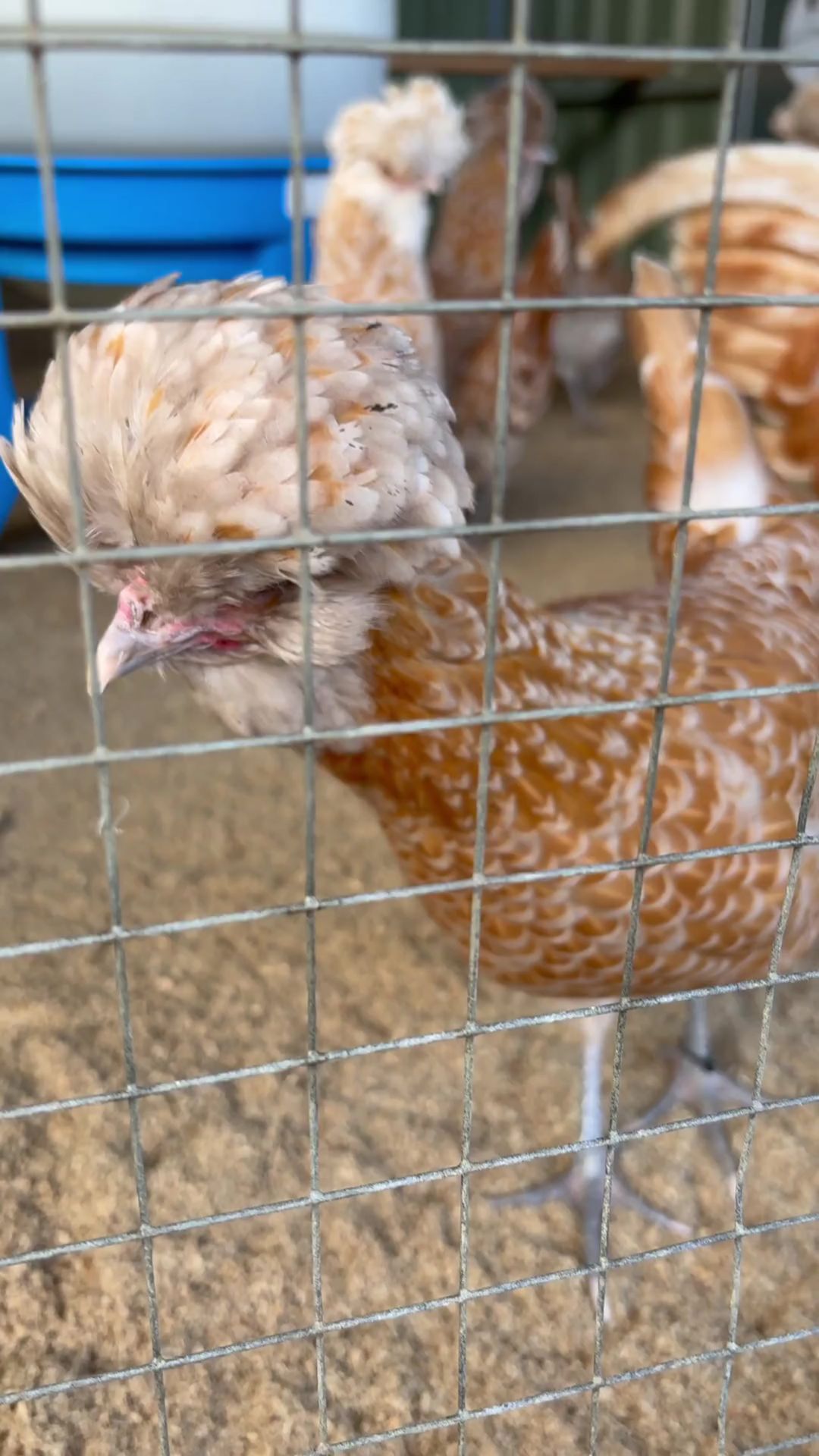
Western Australian households with pet birds and poultry are encouraged to take simple steps to help keep their animals safe from H5 bird flu.
Western Australian households with pet birds and poultry are encouraged to take simple steps to help keep their animals safe from H5 bird flu.
Practical advice and information are available on the WA Government's H5 avian influenza (bird flu) in Western Australia website , including a useful step-by-step video on preventative measures.
Importantly, current detections of H5 bird flu in WA remain limited to wild migratory birds and there have been no detections in poultry or WA's agricultural system.
Department of Primary Industries and Regional Development (DPIRD) Chief Veterinary Officer Michelle Rodan said the key biosecurity measure to minimise risk to pet birds and poultry was to prevent wild birds mixing with domestic birds and implementing strict hygiene practices.
"The most effective way to protect pet birds and backyard chickens is to ensure wild birds cannot access their housing, feed, water, bedding or general environment," Dr Rodan said.
"It is also important to regularly clean aviaries, pens and equipment, as well as cleaning your boots and washing your hands thoroughly with soap before and after visiting or handling birds.
"We also ask the community to continue monitoring birds for signs of illness and report any observations to the Emergency Animal Disease Hotline."
Other pets may also be at risk of H5 bird flu from infected wild birds so it is best to keep them away from wildlife, including preventing cats from roaming and keeping dogs on leads in wildlife areas.
In line with overseas experience, local transmission and mass mortality events in wild birds are not unexpected as detections of H5 bird flu increase.
H5 bird flu is expected to remain an ongoing wildlife disease that will require continued monitoring and management as it cannot be eradicated from wild birds.
Human infection with H5 bird flu is rare as the virus does not spread easily from animals to people.
Anyone who sees sick or dead birds or marine mammals should AVOID and not handle the animals but RECORD and take photos or a video and REPORT to the Emergency Animal Disease Hotline on 1800 675 888.
More information is available on the H5 avian influenza (bird flu) in Western Australia website.