
Elisabeth DeLuca School of Nursing students travel to Belgium to gain educational and cultural insights into palliative care.
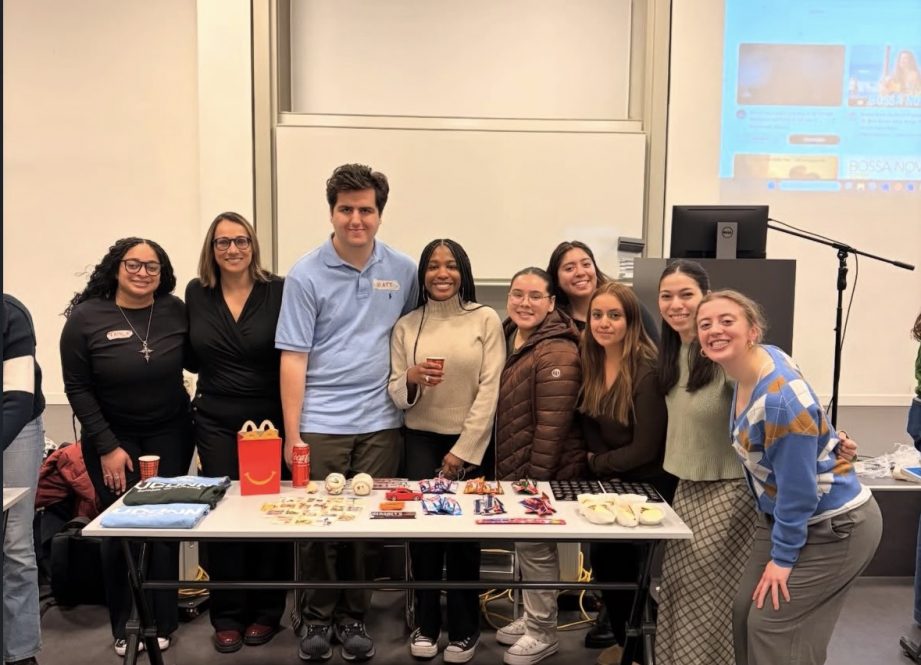
UConn Nursing students at the End-of-Life Belgium EGL program in January. (Contributed Photo)
Senior Hannah Hidalgo (NUR) is no stranger to Experiential Global Learning (EGL) at UConn. After completing her first nursing program abroad last summer, she jumped at the opportunity to attend another transformative journey focused on palliative care in Belgium.
"I personally wanted to be able to better understand end-of-life care and be introduced to different perspectives on it. I wanted to have this experience going into my future career," said Hidalgo.
The End-of-Life Belgium EGL program is a part of the Nursing Capstone Course (NURS 4292) and consists of a two-week intensive experience sponsored by the University College of Arteveldehogeschool (Artevelde) in Ghent. To be considered for the course, nursing students must complete an application process through EGL that consists of essay questions on why they want to attend, what they think they will gain from it, and how they can contribute to the experience.
The Interdisciplinary Program on Palliative and End-of-Life Care (IPPE) at Artevelde has run consistently at UConn since 2012 and has had a total of 92 students participate in the program. This year, eight UConn Nursing students were selected to attend.
The IPPE is aimed at offering higher education on chronic and end-of-life care from an international, intercultural, and innovative perspective. Students participated in lectures, workshops, and hands-on sessions focused on complementary care, pain and symptom control, end-of-life decisions, and communication skills all surrounding palliative care.
"The experience brought a holistic perspective on nursing, which I really enjoyed," said Hidalgo. "It showed me that small things like touch, scent or just being present and connecting to the patient can make a huge difference in their care. For me, the emphasis of this program was how to provide comfort to a patient."
The first week of the program is held online where students meet their peers from around the globe. They then travel to Belgium for in-person instruction. During this week abroad, students stay in a hostel, where they interact with classmates from around the world.
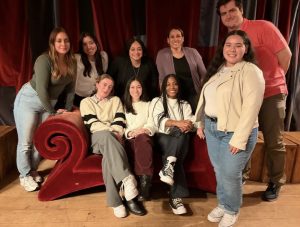
Accompanying the students was Amisha Parekh de Campos, Ph.D., MPH, RN, CHPN, assistant clinical professor at the Elisabeth DeLuca School of Nursing. This was her third year attending and participating in the program.
With over 15 years of nursing experience in palliative care, Parekh de Campos knows how crucial it is for students to gain broader insights into this type of care, especially from a country that integrates it as part of its culture.
"There is very little in the undergraduate nursing curriculum that includes palliative care, hospice, or end-of-life. So, for our students, they end up learning a lot about the philosophy of palliative care and how it works in Europe. Along the way, the students learn about end-of-life care in the United States and are able to talk about the culture of death and dying in the United States compared to Europe," said Parekh de Campos.
While the days are packed with content, students are able to explore the city in the evenings. The program also integrates Belgium culture and the cultures represented by its students during themed parties and events. There are 10 countries represented in the IPPE program, making it a very diverse cohort. One night, they hosted an event where participants set up a table that featured items and mementos from their respective countries.
Exploring and integrating everyone's cultures and professions was one of Hidalgo's favorite aspects of IPPE. While the program is only open to UConn Nursing students through the EGL program, the IPPE includes other healthcare professions: physical and occupational therapists, social workers, oral hygienists, and so on.
The differences in professions and cultures were especially prevalent during group work. The students were paired with individuals outside of their home country and with different majors. When given real-life patient scenarios, they used their own perspectives to collectively formulate a plan of care.
"Even though we all believed in different care plans for helping this one patient, we listened to each other and were able to work together and adapt. Nursing considers multiple care approaches and the willingness to adapt and learn is essential," said Hidalgo.
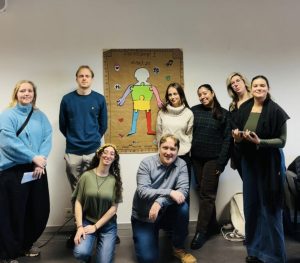
Another component of the program that Hidalgo loved was the workshops. From reiki and aromatherapy to dancing and singing, students participated in a variety of modalities used in palliative care. The workshops took a holistic approach that focused on the patient and the caregiver, allowing students to connect to their own well-being so they can provide the best help for others.
Parekh de Campos emphasized the importance of teaching palliative care and ensuring her students understand the range of options available to patients, particularly for nurses in the United States.
"It's really important for them to understand the way palliative care works in the U.S. because it's a lot different than in Europe," she said. "All the students come away with the knowledge to advocate, and my advice to them is to be that voice for patients, families and fellow clinicians."
For Parekh de Campos, this program is just as special to her as it is for her students. She's inspired by her fellow colleagues in the program, and the relationships they form last long after the flight home.
For Hidalgo, the trip was an unforgettable experience, one that she will carry with her post-graduation.
"This trip made me learn so much about myself that I never would have expected. I thought I was going there to learn about end-of-life palliative care, but once I came back, I realized I grew so much as a person," said Hidalgo.


