
New research led by Oregon Health & Science University confirms the frustration of many people trying to get a primary care medical appointment in Portland: Wait times are measured in months, if they can get an appointment at all.
In a study published Monday in the journal Health Affairs Scholar, researchers acting as "secret shoppers" set out to compare access to primary care in four large U.S. cities: New York, Los Angeles, Chicago and Portland. Researchers called 444 clinics posing as people covered by Medicare seeking an initial primary care appointment.
They found 77.5% of clinics accepted new Medicare patients overall. However, the figures varied dramatically between cities.
In Los Angeles, almost 97% of clinics accepted new patients; in Portland, only 35% did. Among those clinics that did accept patients, the median wait times ranged from eight days in New York to 61 days in Portland.
The situation is not only frustrating for patients, but also likely leads to poorer health, said the senior author from OHSU.

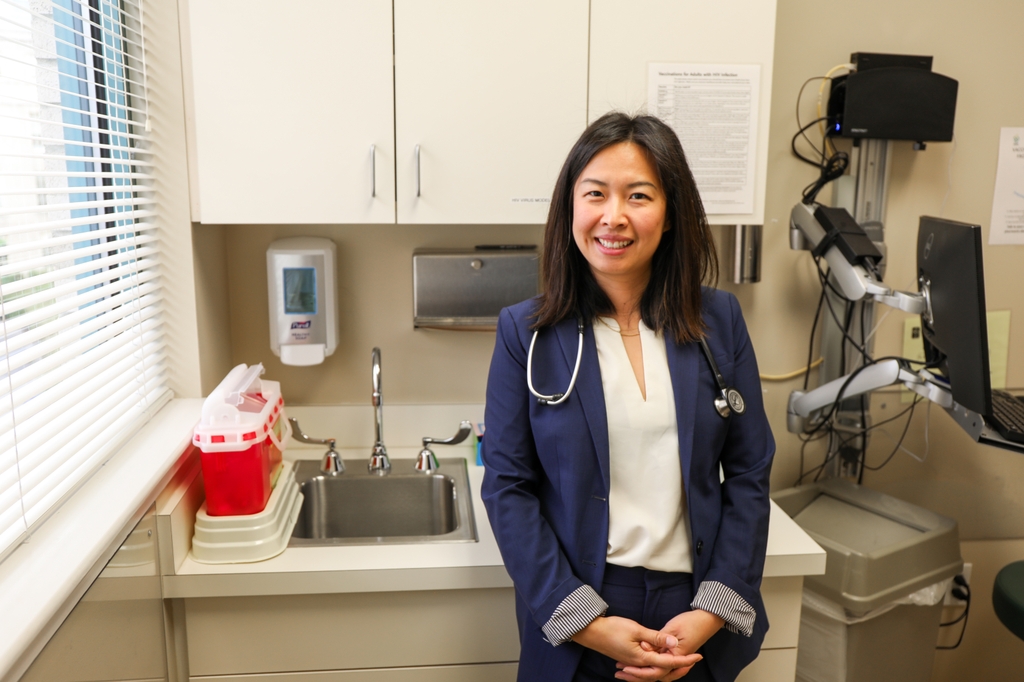
Jane Zhu, M.D., associate professor of medicine (general internal medicine and geriatrics) in the OHSU School of Medicine, said researchers set out to sample first-hand the difficulty people experience in getting a primary care appointment.
"Primary care is the front door to the health care system, connecting patients to chronic disease management, preventative health and long-term coordinated care to avoid costly hospitalizations and emergency room visits," Zhu said. "Yet one in five Americans report no usual source of care. When access is limited, conditions go unmanaged, diagnoses are delayed, and emergency departments become a default solution.
"The opposite is also true: Consistent access to primary care is associated with better health outcomes and lower overall costs."
Researchers found differences in markets that may create a bottleneck to access in Portland compared with the other three cities. Even though Portland has a similar number of primary care clinicians per capita, almost 60% of clinics are affiliated with large health systems.
Zhu said previous research suggests that concentrated markets may be less responsive to pressures to reduce wait times or expand access. In addition, large health systems with centralized scheduling may help to manage patient flow and staffing constraints, but it can also result in patients waiting longer to get into a clinic.
In addition to Zhu, co-authors include Tamara Beetham, Ph.D., and Michael L. Barnett, M.D., M.P.H., of Brown University; Trisha Marsh, M.P.H., Ruby M. Aaron, M.P.H., and Alexandra Do, M.D., of OHSU; and Emmanuel Greenberg, M.D., M.P.H., of the University of California, San Francisco.


