
Hokkaido University (HU) and the University of Melbourne (UoM) have maintained a research partnership for more than half a century, particularly in the fields of microbiology and infectious diseases. Since late 2021, the two institutions have further strengthened their relationship as strategic international partners, expanding research and educational collaboration to Science and Engineering, Humanities and Social Sciences, and other Life Science fields.
Building on this foundation, collaboration in basic medical research has been accelerated following a visit to UoM in April 2025 by Professor Shinya Tanaka, Dean of the Faculty of Medicine, HU. UoM has been designated as an overseas partner under the project funded by the Japan Agency for Medical Research and Development (AMED) titled the "Promotion of Next-generation AI-driven, Data-centric, and Information-circulating Medical Research through an Integrated Framework of Human Resources, AI/DX Technologies, and Institutional Infrastructure".

Under this framework, HU launched the "Platform for Research Innovation and Support in Medicine – Hokkaido University (PRISM-HU)". The PRISM-HU initiative aims to sustain regional healthcare systems while securing dedicated research time for academics. To achieve this, the project focuses on developing professional staff and institutional frameworks, as well as promoting the use of AI and digital transformation technologies to improve operational efficiency and advance medical research. Twelve early- and mid-career researchers who actively use AI in medical research have been appointed as principal investigators (PIs) under the initiative.
On February 19 and 20, a delegation of six members from HU visited the Faculty of Medicine, Dentistry, and Health Sciences (MDHS) at UoM. The delegation included three PRISM-HU PIs, Professor Shinji Nakaoka (Mathematical Biology) from the Faculty of Advanced Life Science, Assistant Professors Tsutomu Tanaka (Cancer Immunology) and Yoshitaka Oda (Tumour Pathology) from the Faculty of Medicine. They were accompanied by Assistant Professor Shiro Watanabe (Nuclear Medicine), PhD candidate Feng Han, and Senior Academic Specialist Taena Uemura at the Office of International Collaborations.
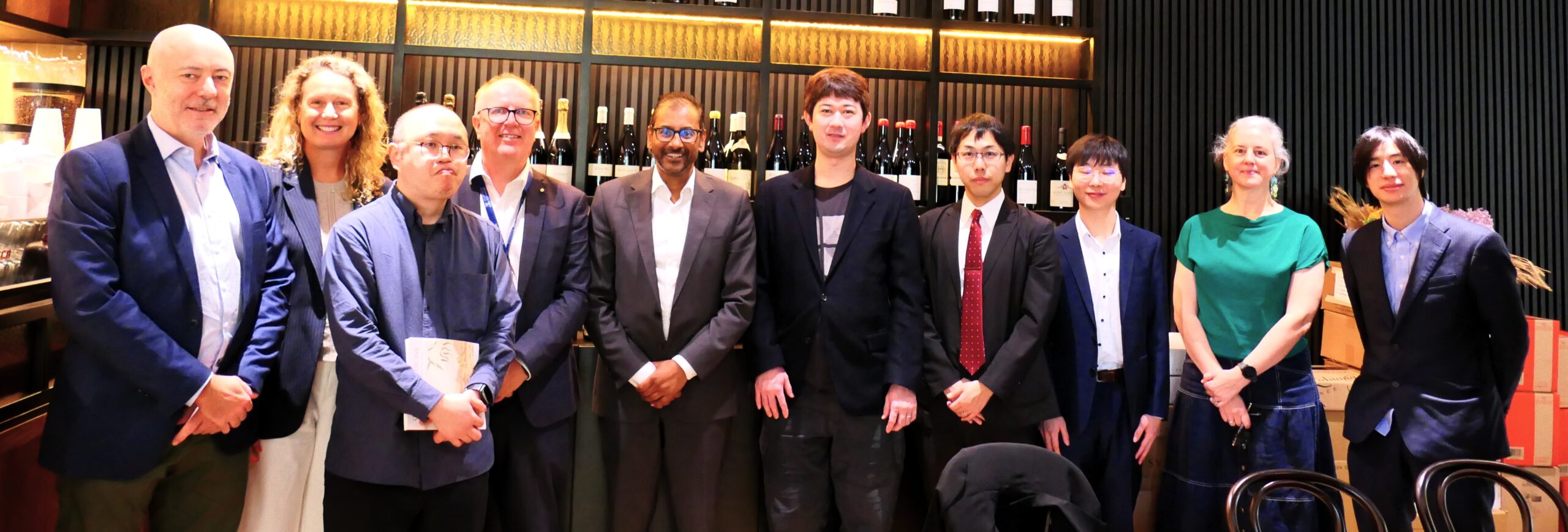
During the visit, the delegates introduced the PRISM-HU initiative to the MDHS leadership and held discussions on future collaboration opportunities in molecular and basic medical research, as well as in big data and omics research. HU delegates were welcomed by Associate Dean (International) Margie Danchin; Professor Sarath Ranganathan, Head of the Melbourne Medical School; Professor Frederic Hollande, Deputy Head of the School; Professor Bruce Thompson, Head of the School of Health Sciences; Professor Anna Ryan, Head of the Medical Education Department; and Professor Christobel Saunders, who leads medical research development.
They noted that collaboration between engineering and medical precincts has traditionally been limited to specific interdisciplinary areas and has often relied on individual researchers' initiatives. Professor Ranganathan expressed interest in connecting researchers at both universities who are keen on AI applications in medicine and in learning more about the practical aspects of the "HU Model" as part of research infrastructure improvement. Professor Danchin also indicated a desire to coordinate a delegation visit to HU in the latter half of 2026, including academics interested in AI-driven medical research. Professor Saunders highlighted the UoM's research strengths in areas such as cancer research-particularly breast cancer, prostate cancer, and melanoma-as well as infection and immunity, paediatric medicine, cardiovascular research, and neuroscience and mental health.
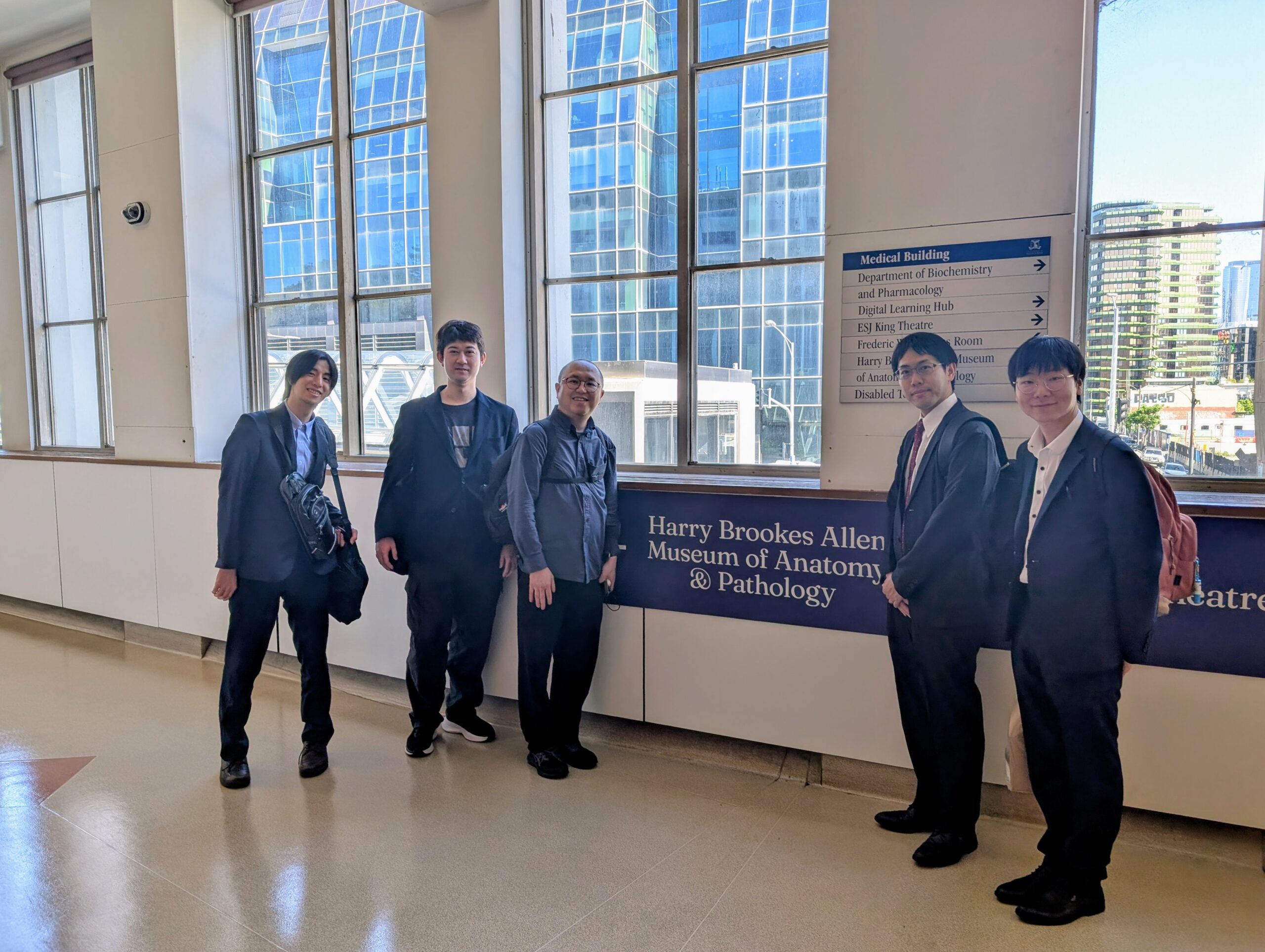
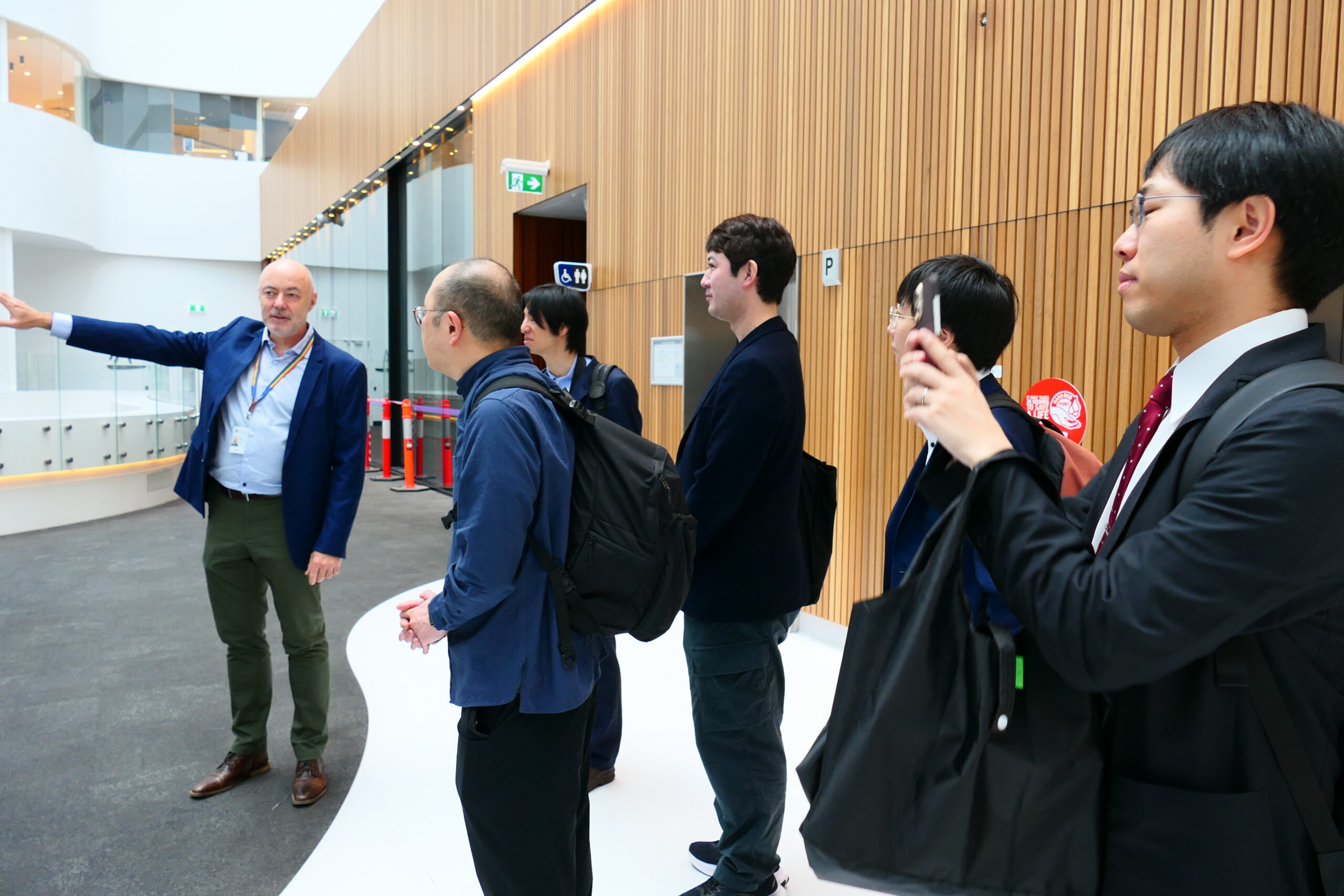
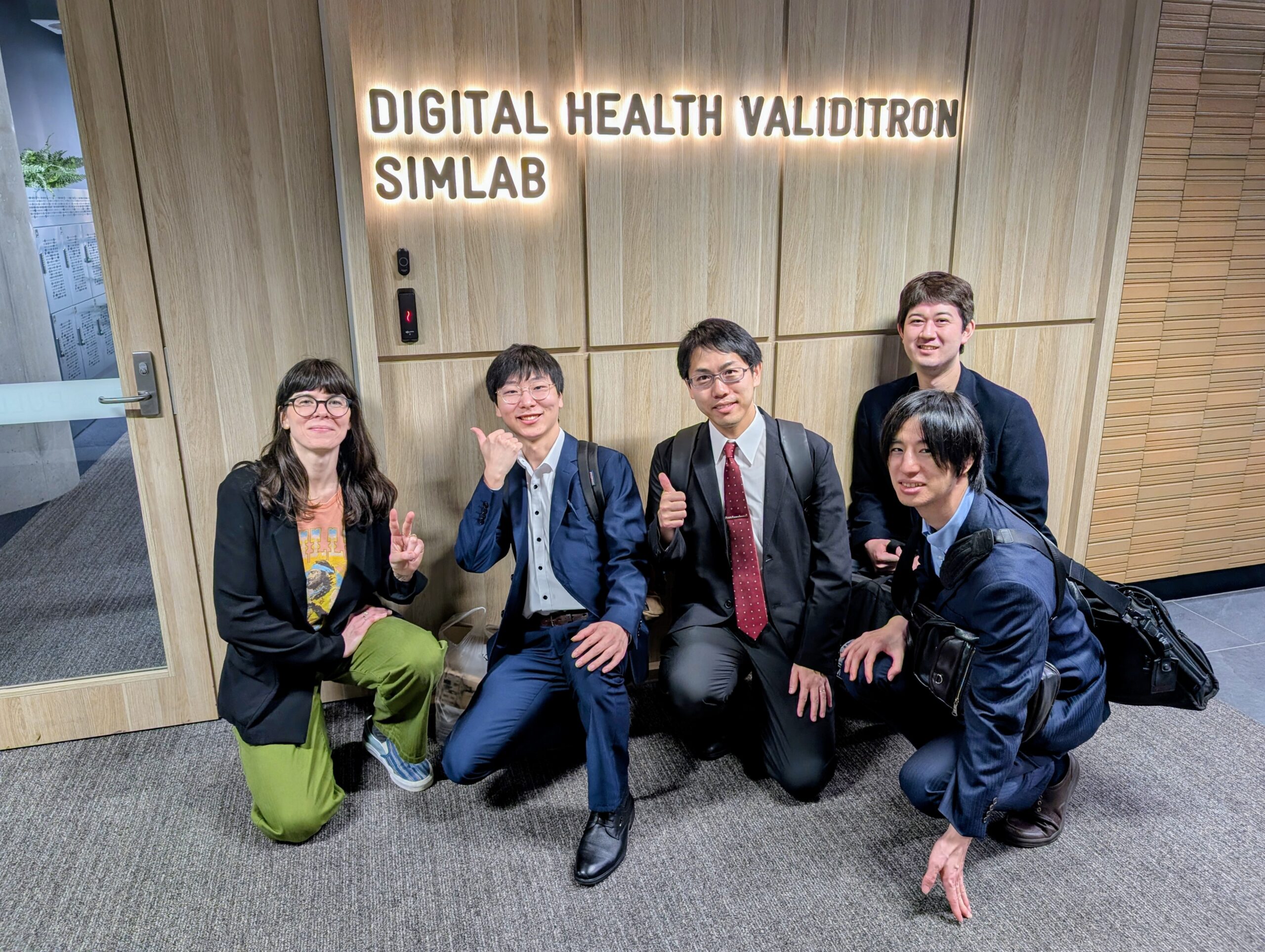
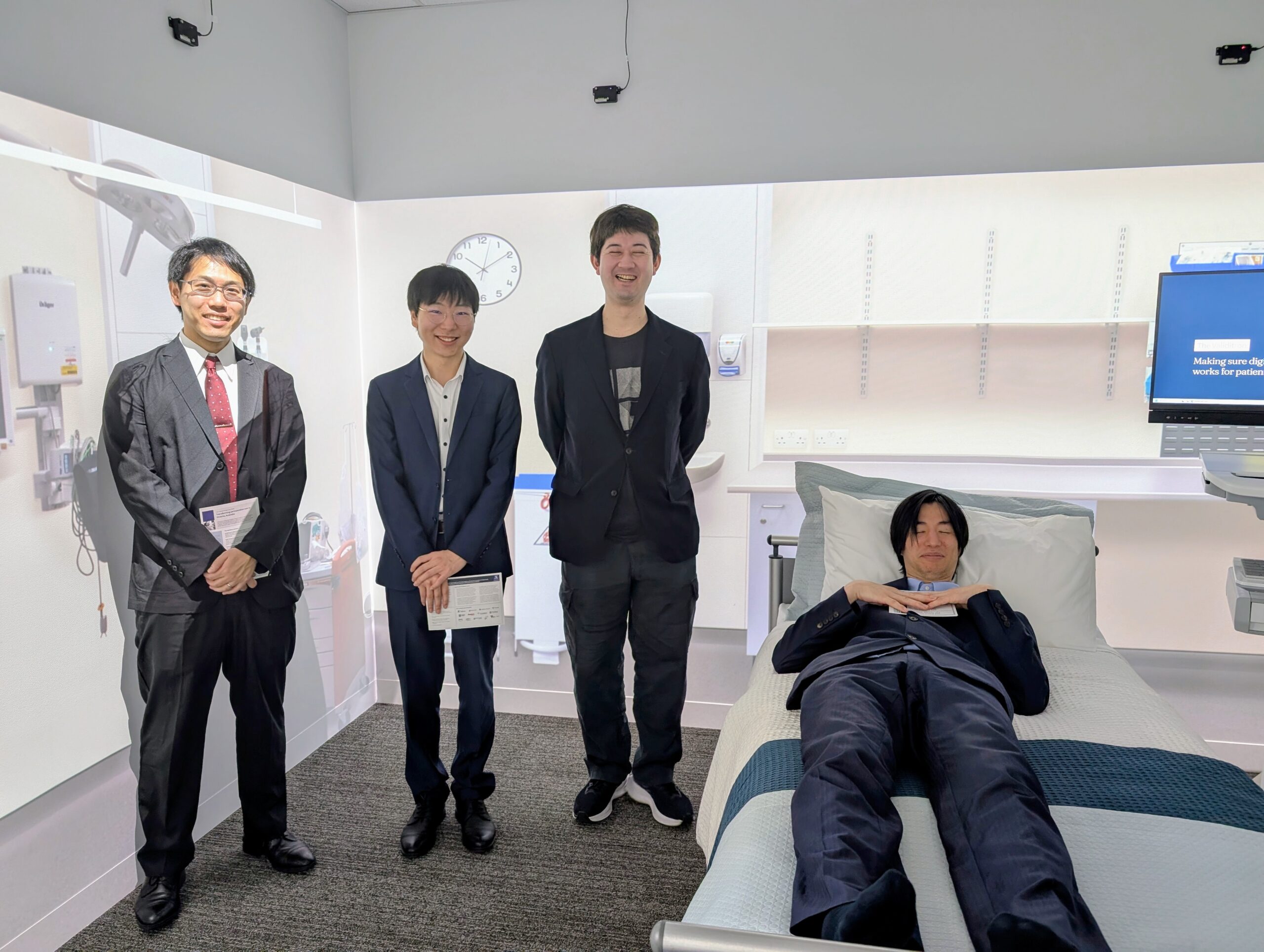
Clockwise from top left: Harry Brookes Allen Museum / Peter MacCallum Cancer Centre with Prof Hollande / Digital Health Validitron SIMLAB
In addition to meetings with leaderships, the HU delegates visited researchers at the Hollande Laboratory, Peter MacCallum Cancer Centre, Melbourne Integrative Genomics (MIG) which is an initiative integrating Biology, Mathematics, and Statistics, Faculty of Engineering and Information Technology, and the Peter Doherty Institute for Infection and Immunity. The group also toured the Harry Brookes Allen Museum of Anatomy and Pathology, Medical History Museum featuring exhibitions on Indigenous bush medicine and Western pharmacology, and Melbourne Connect, a collaborative hub that brings together startups and spaces for healthcare system demonstration. The two-day program concluded with renewed momentum toward deeper institutional collaboration and the advancement of AI-driven medical research between HU and UoM.
(Text and photos provided by the Faculty of Medicine and Office for International Collaborations)


