Australia's ports are the cornerstone of the nation's supply chains, but their growing exposure to cyber-attacks could cause severe disruptions to operations and shortages of essential supplies, including medicines, fuels and consumer goods.
To help port operators respond to these growing threats from bad actors, Associate Professor in Cybersecurity and Networking, Elena Sitnikova, has led the development at Flinders University of a simulation technology tool that uses authentic learning in real-world scenarios to train port operator teams how to collaborate in managing cyber incidents and extreme weather events in real-time.
Funded through the Defence Innovation Partnership's Collaborative Research Fund, the gaming-style simulator has been developed with PrioriAnalytica, Adelaide University and the Defence Science and Technology Group (DSTG) to help port operators test their resilience when faced with significant disruptions.
Associate Professor Elena Sitnikova said the test-run simulations highlighted the importance of strengthening preparedness and resilience for both cyber security incidents and severe weather events.
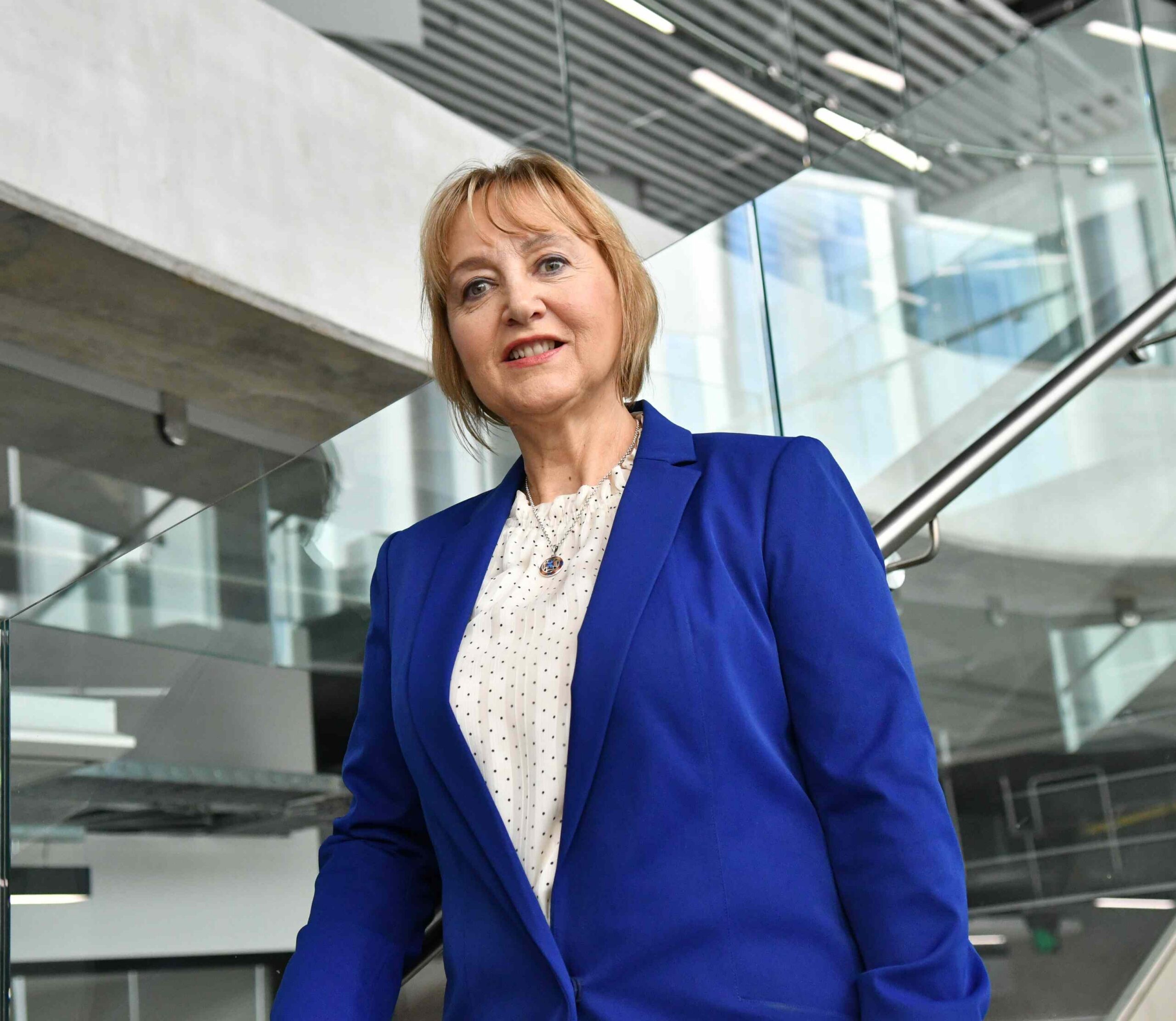
"As an island nation, Australia relies on shipping for 99% of its international trade, making our ports vital to economic stability and supply chain continuity. Developing a deeper understanding of cyber risks in port environments is essential to identifying practical mitigations, and this study contributes important insights that can help industry and government enhance the resilience of Australia's maritime infrastructure," said Associate Professor Sitnikova.
"We've seen the number of cyber incidents increase in recent years, posing risks to this vital infrastructure on a national scale, and we need to help the port industry, and other sectors, prepare for these growing risks to reduce system failures and especially to ensure ports can quickly resume normal operations."
The multi-role simulator shows, and evaluates, how port owners, operators, and service providers-communicate, make decisions, and establish leadership during highly stressful conditions.
"By simulating cyber-attacks and natural disasters, this research tool allows us to rehearse unexpected disruptions and thus prepare whole teams to cope with real-world crises" said Associate Professor Sitnikova said
"The digital tool helps teams safely practise leadership, communication, coordination and decision-making in realistic scenarios."
"Our test-run simulations showed different behaviours by teams during cyber-attack and severe-weather responses. Simulations identified several factors affecting team performance, communication, coordination and decision-making during disruptive events, reinforcing the value of realistic training environments," said Associate Professor Sitnikova.
Associate Professor Sitnikova said the tool could also be adapted for use across other complex government and critical infrastructure environments, including emergency management agencies and healthcare settings.