Saliva and plasma could be crucial in detecting recurrences or relapses of head and neck cancers, negating the need for a painful and invasive biopsy.
The research team from Griffith University's Institute for Biomedicine and Glycomics investigated whether small extracellular vesicles (small EVs) enriched with plasma and saliva could accurately reflect the molecular profile of a tumour from a head and neck cancer patient.
Head and neck cancers were a deadly form of cancer with medical professionals diagnosing about 900,000 new cases each year.
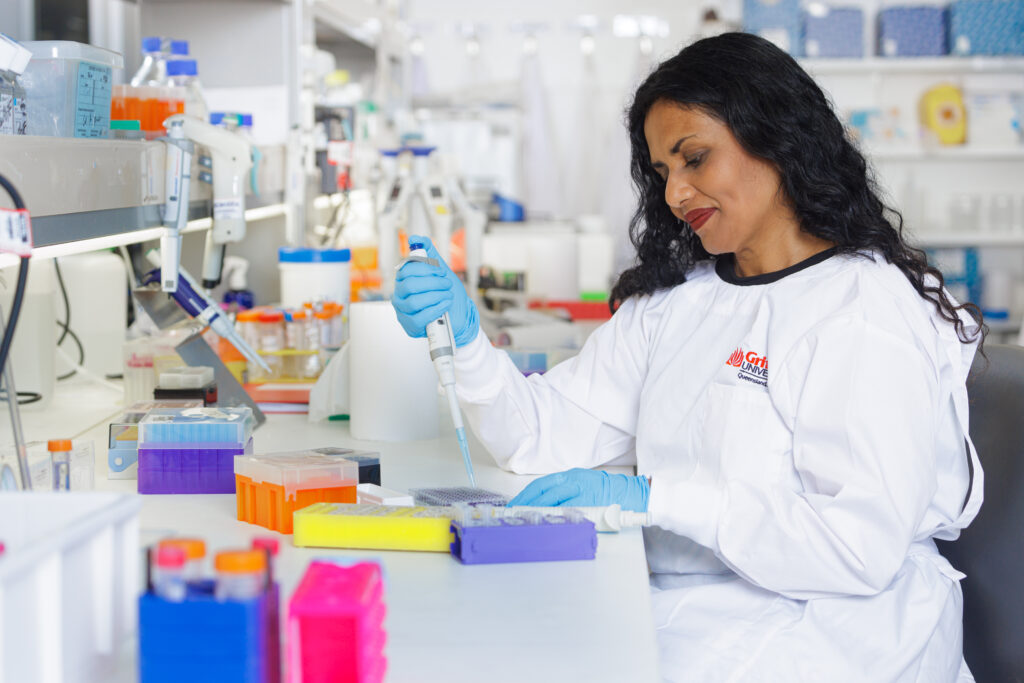
Professor Chamindie Punyadeera said the team found a strong overlap in the protein cargo between tumour-derived small EVs and those isolated from plasma and saliva.
"More than 60 per cent of identified proteins were shared," Professor Punyadeera said.
"This indicates biofluid small EVs carry many of the same molecular signatures as the tumour vesicles."
In addition, several key proteins involved in tumour progression, immune modulation, and extracellular matrix remodeling were consistently detected across all sample types, reinforcing their potential biological and diagnostic importance.
These finding suggested non-invasive biofluids, such as plasma and saliva, could be used to monitor tumour biology and identify clinically relevant biomarkers without the need for direct tumour sampling.
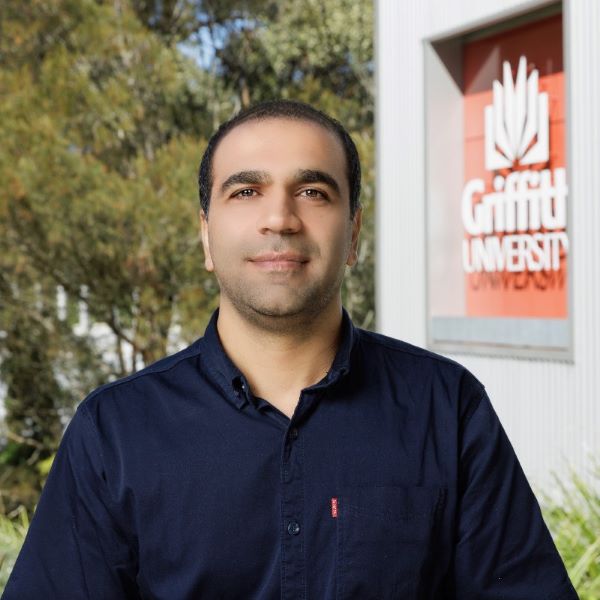
First author, Research Fellow Abolfazl Jangholi, said this could transform how head and neck cancers were detected and monitored, thereby enabling earlier diagnosis, easier longitudinal monitoring, and personalised treatment decisions based on EV protein signatures.
"This study lays the groundwork for developing clinically applicable EV-based biomarker panels which can be used in routine diagnostic testing," Mr Jangholi said.
"By investigating the functional roles of the overlapping proteins, we can uncover how these molecules contribute to tumour progression and metastasis.
"For the patient, this means a non-invasive alternative to tissue biopsies for cancer diagnosis and monitoring."
Executive Director of the Institute for Biomedicine and Glycomics, Professor Paul Clarke, said: "I am thrilled to see the results of Professor Punyadeera and Research Fellow Jangholi's study."
"Their work, at the core, aims to save lives and is a great representation of the translational research being done at the Institute to deliver real and immediate impacts in Australia, and around the world."
The paper 'Potential clinical utility of small extracellular vesicles derived from head and neck tumours' has been published in View.