
National Science Week kicked off Friday, 14 August, with a month-long program of events giving Tasmanians the chance to explore everything from Antarctic research and astronomy to wildlife conservation, health, technology and renewable energy.
While National Science Week officially runs from 15 to 23 August, Tasmania's extended program spans almost a month, with festivals, tours, talks, workshops and hands-on experiences taking place across the State from 6 to 29 August.
The program showcases Tasmania's scientific community, with researchers, educators and citizen scientists taking part in events across the State.
This year's school theme, Seeds of Science: Nurturing knowledge for all, encourages students to explore how curiosity and inquiry help scientific knowledge take root and grow.
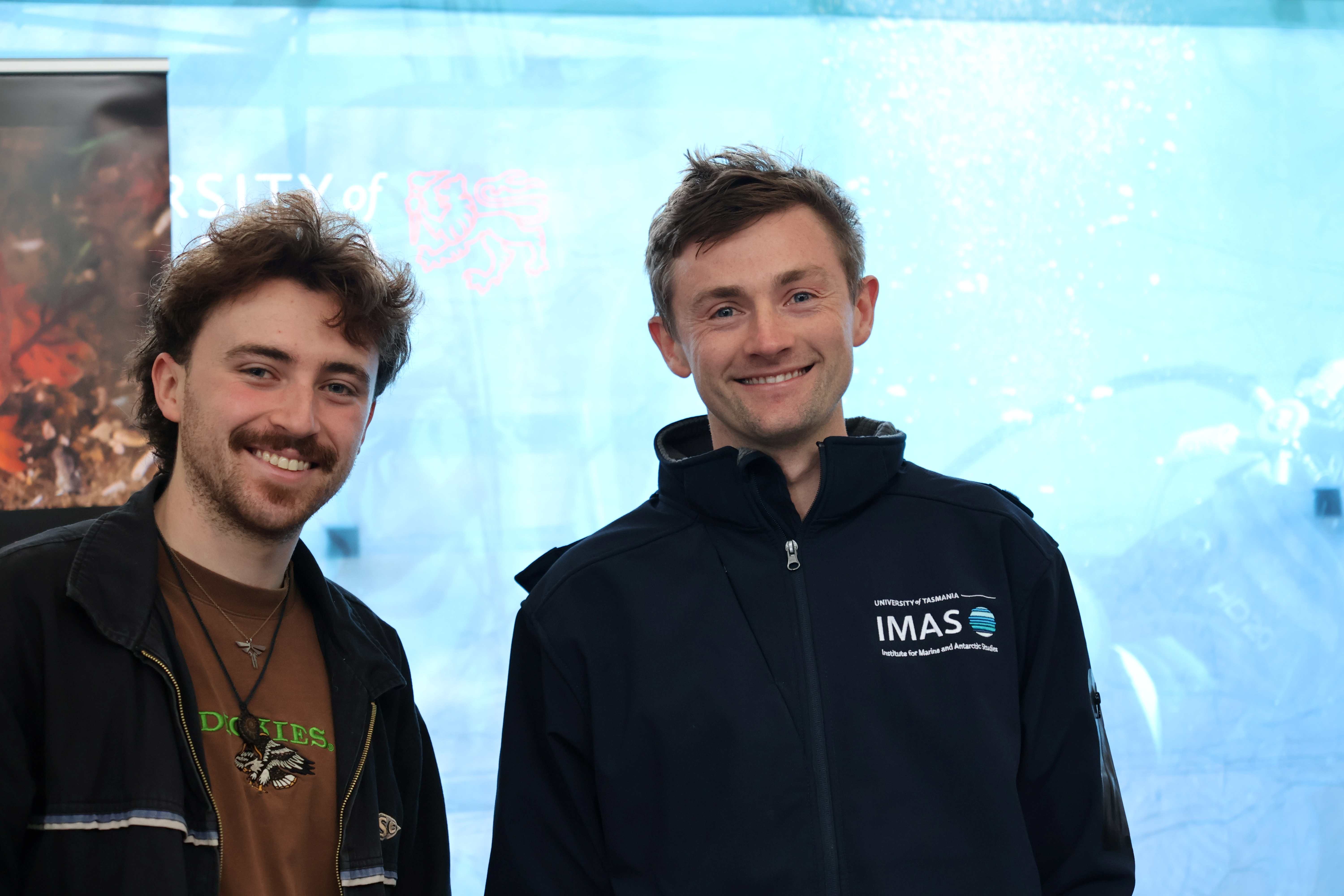
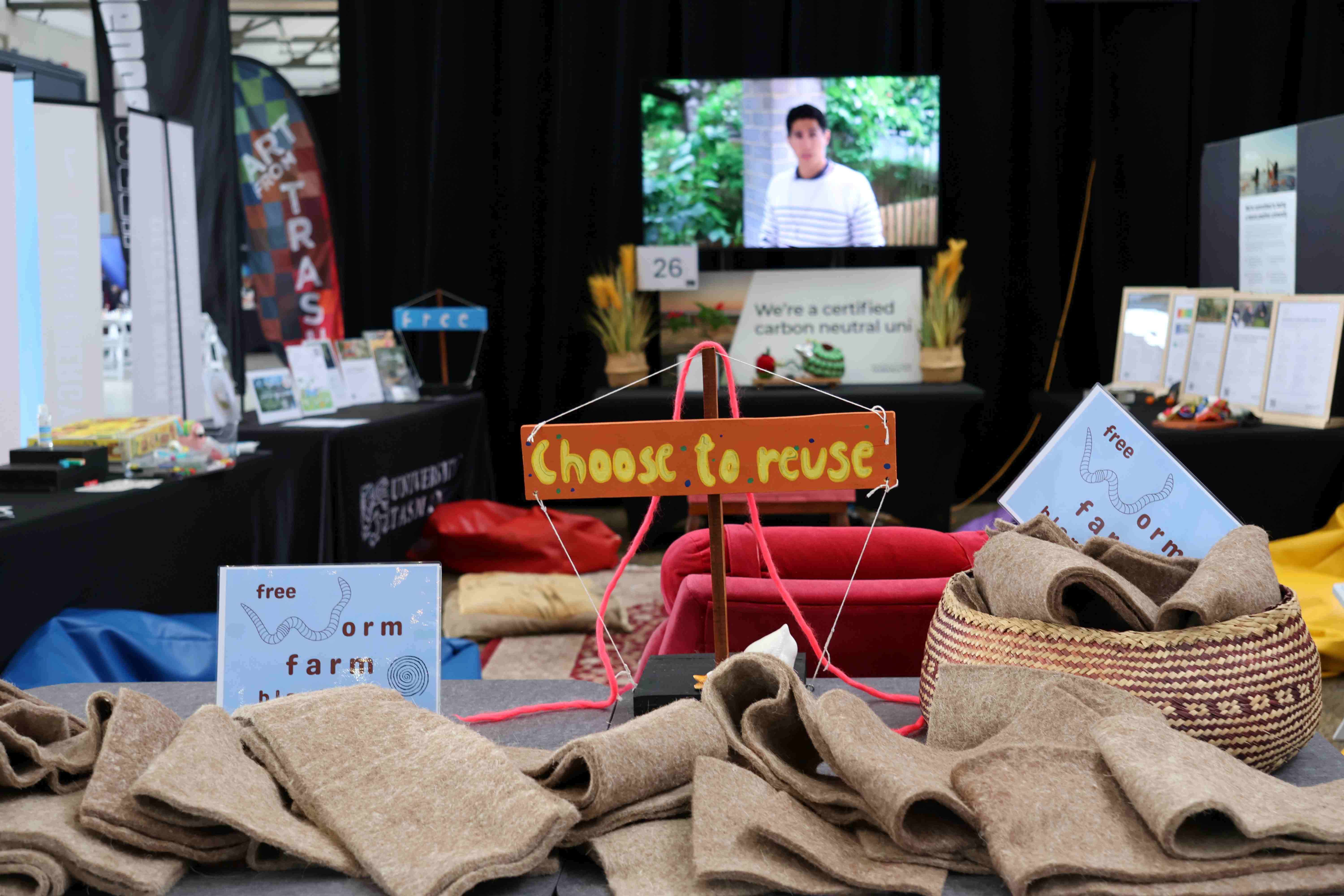
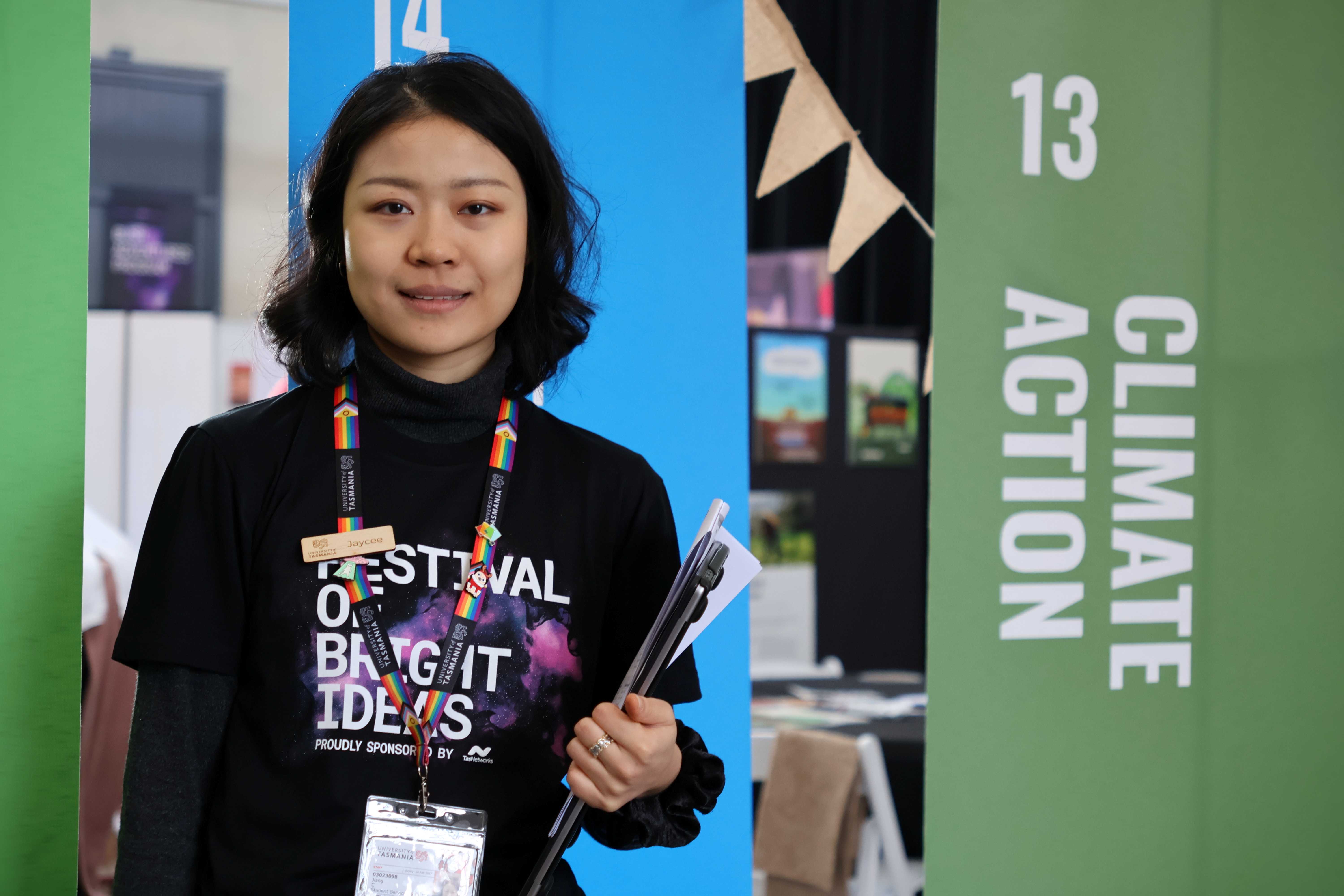
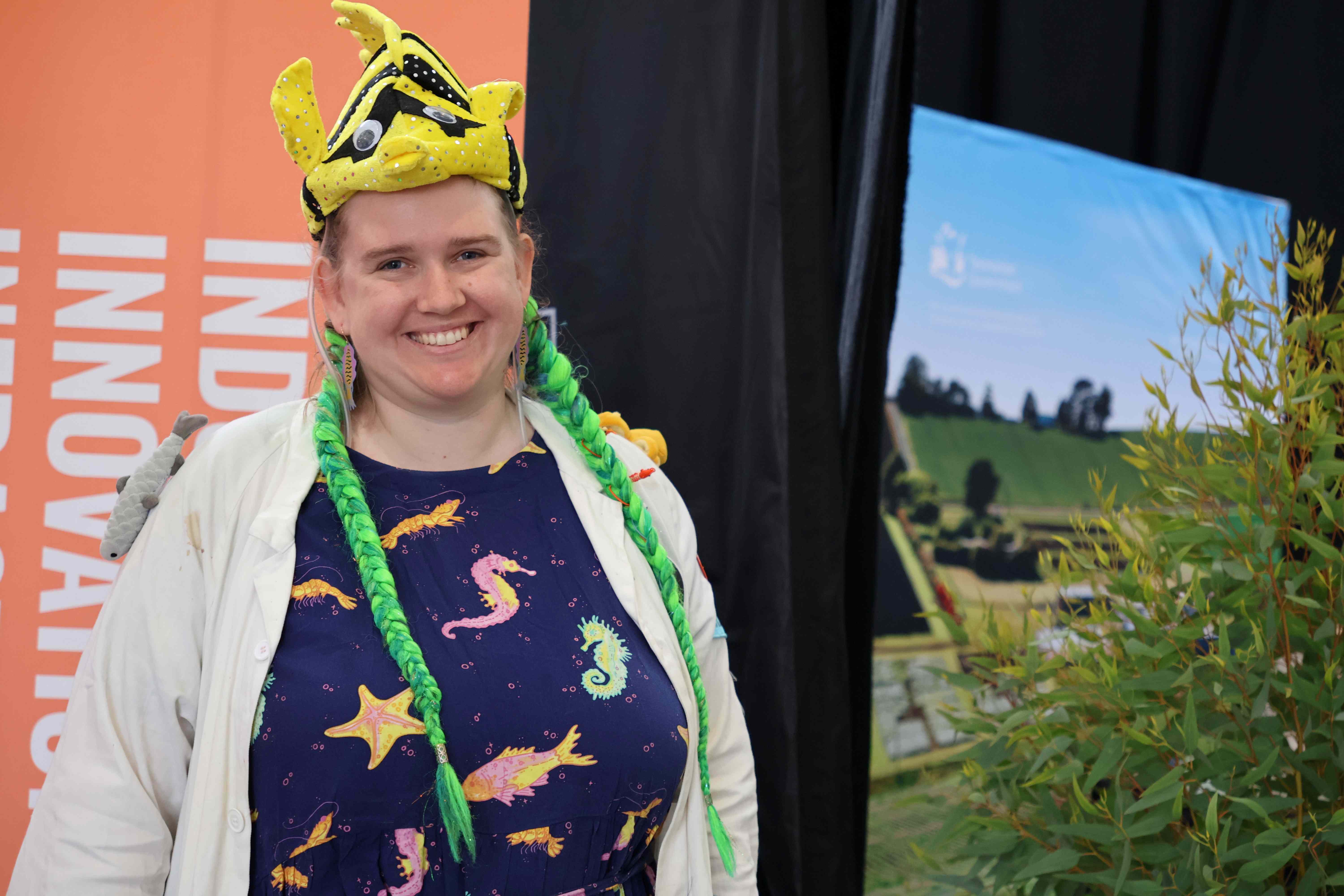
National Science Week 2026 also marks the appointment of neuroscientist and science communicator Dr Lila Landowski as Tasmania's National Science Week Ambassador.
Dr Landowski is an award-winning neuroscientist, University of Tasmania lecturer, Director of Science & Technology Australia and passionate advocate for science engagement.
Dr Landowski said National Science Week gives people a unique opportunity to connect with the science happening in their own communities.
"National Science Week gives people the chance to meet the scientists behind the discoveries and explore the ideas shaping our future," Dr Landowski said.
"Across Tasmania there are opportunities to learn about everything from space and wildlife to health, technology and climate science. Whether you're attending your first event or your fiftieth, there's something in this year's program that will spark your curiosity."
"Tasmania produces world-class science and research. Science Week is an opportunity to celebrate that work and the people that make it happen, inspiring the next generation of scientists, engineers and innovators."
Highlights from this year's program include:
Beaker Street Festival
12-19 August
Antarctic science, space exploration and future food systems are among the topics on the program at this year's Beaker Street Festival. More than 100 University of Tasmania scientists will take part in over 70 events, including tours of the Institute for Marine and Antarctic Studies and the Mount Pleasant Radio Telescope Observatory, while science communicator Dr Karl Kruszelnicki will visit Burnie and Hobart.
Festival of Bright Ideas
14 August (schools) and 15 August (public), Hobart
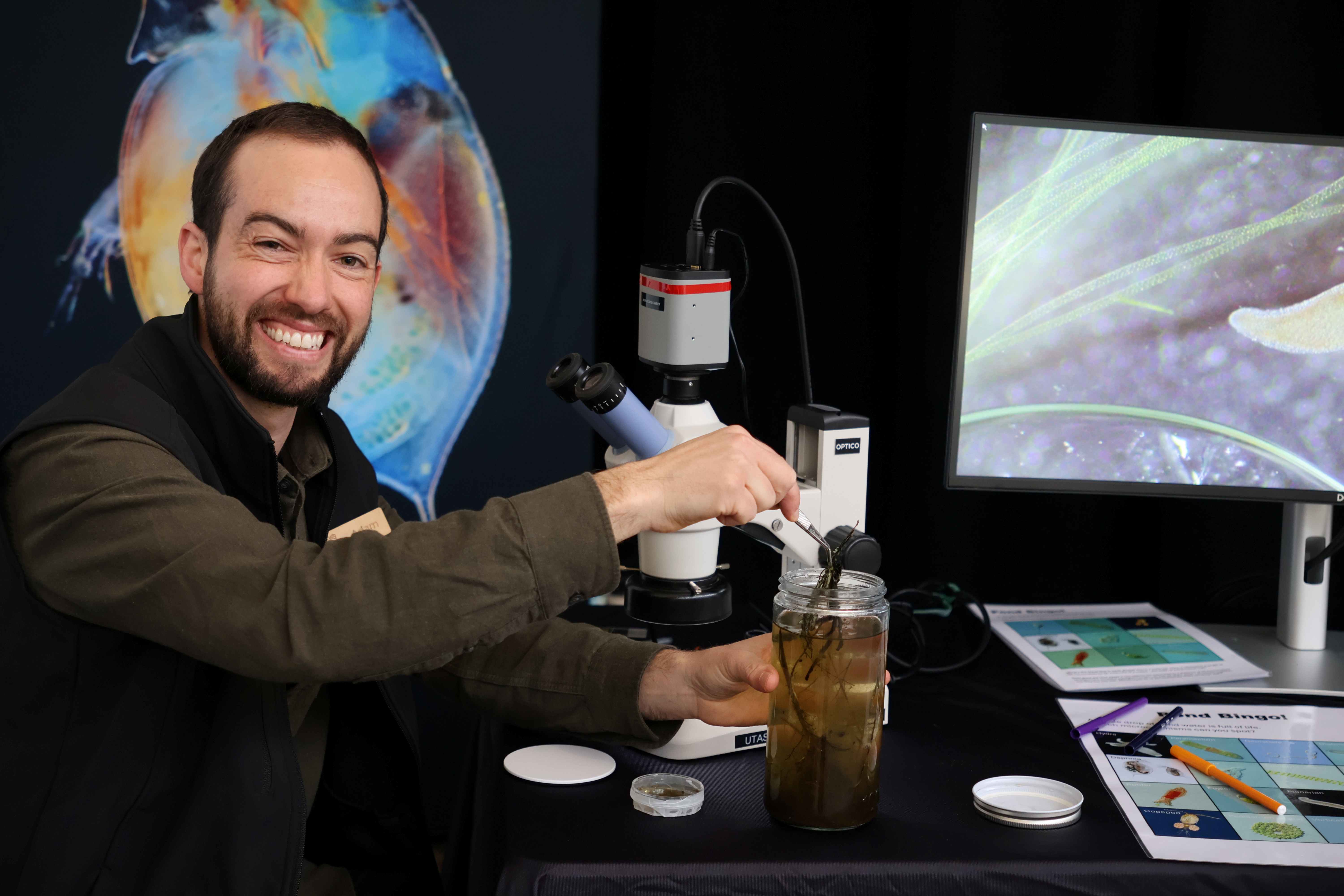
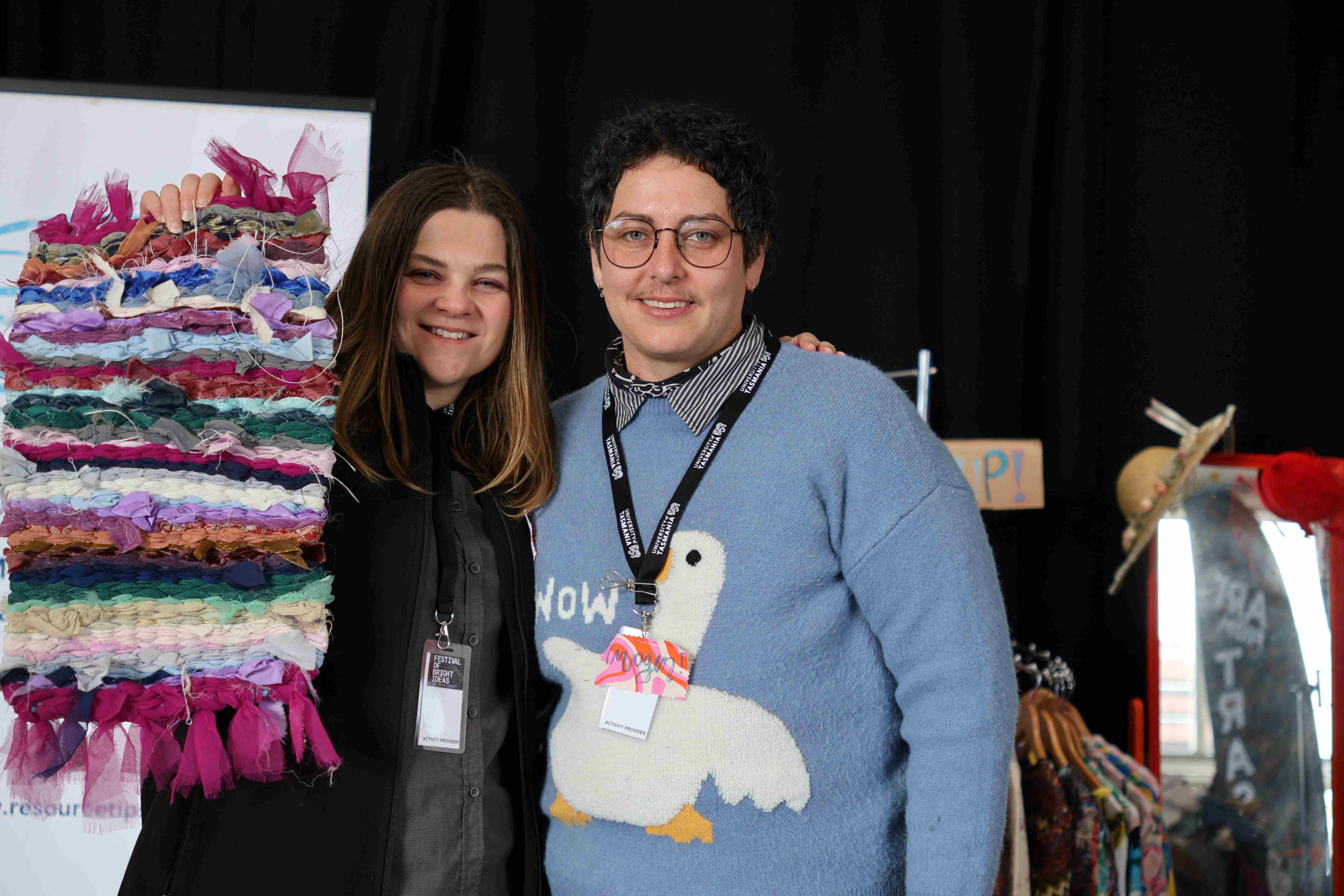
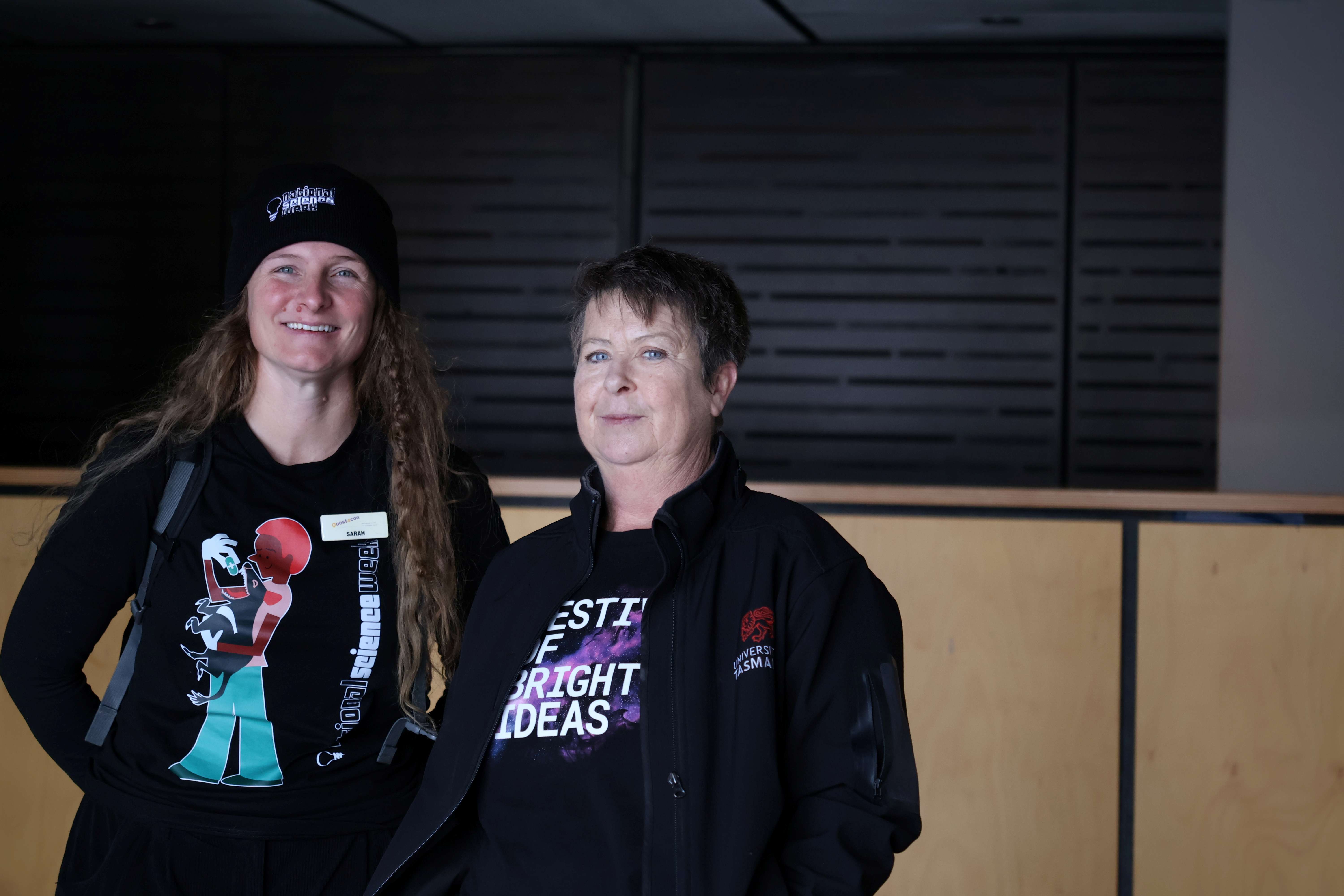
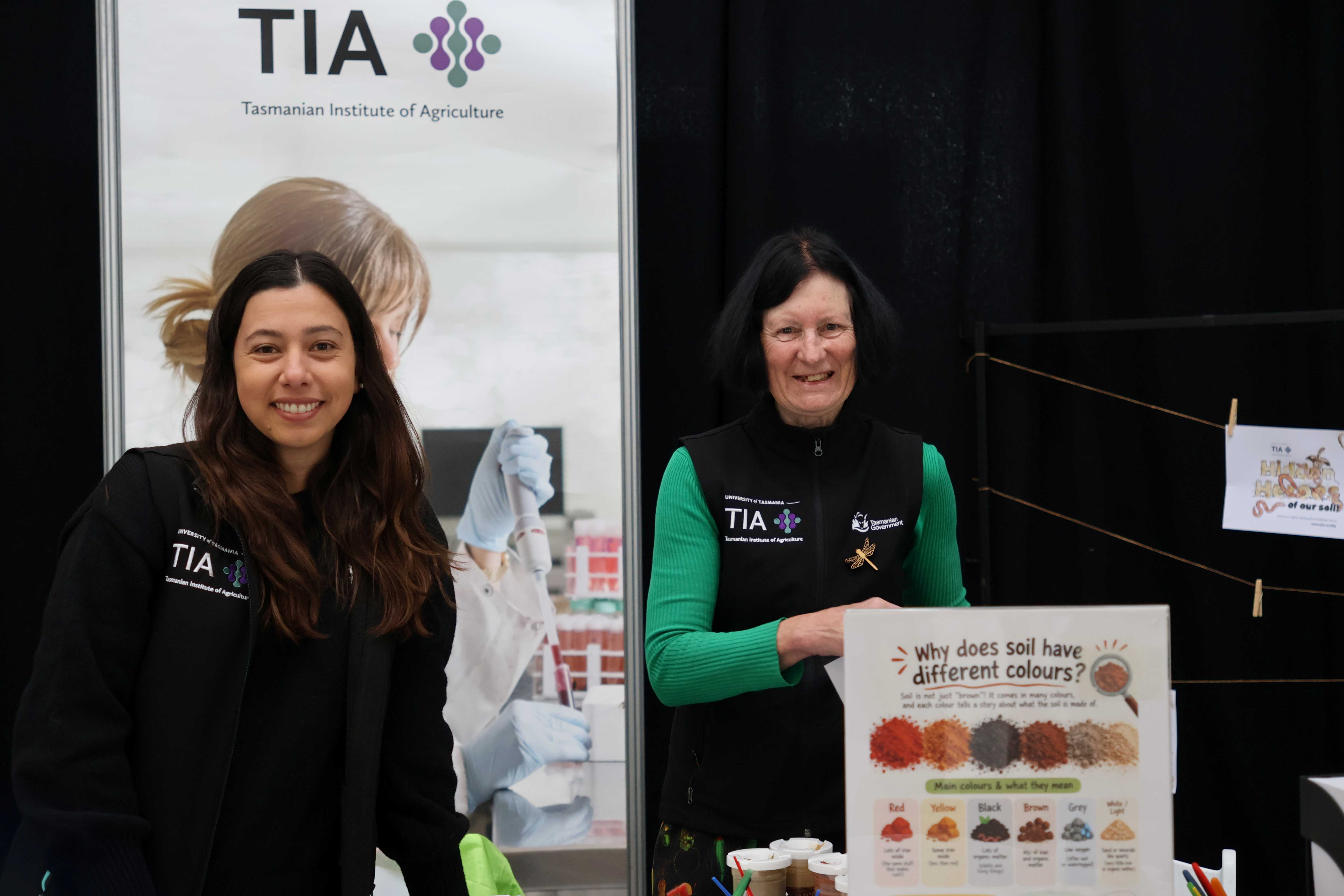
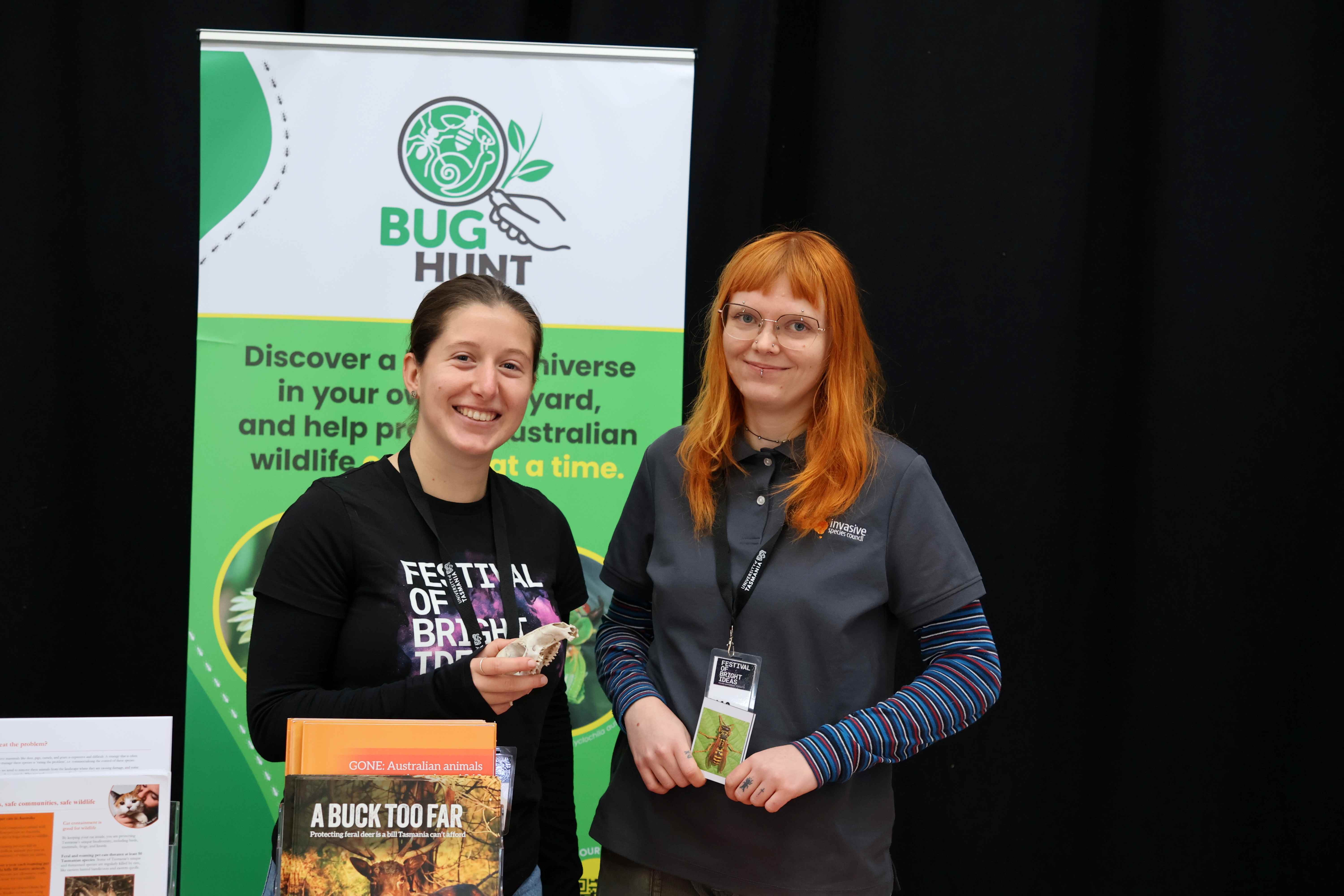
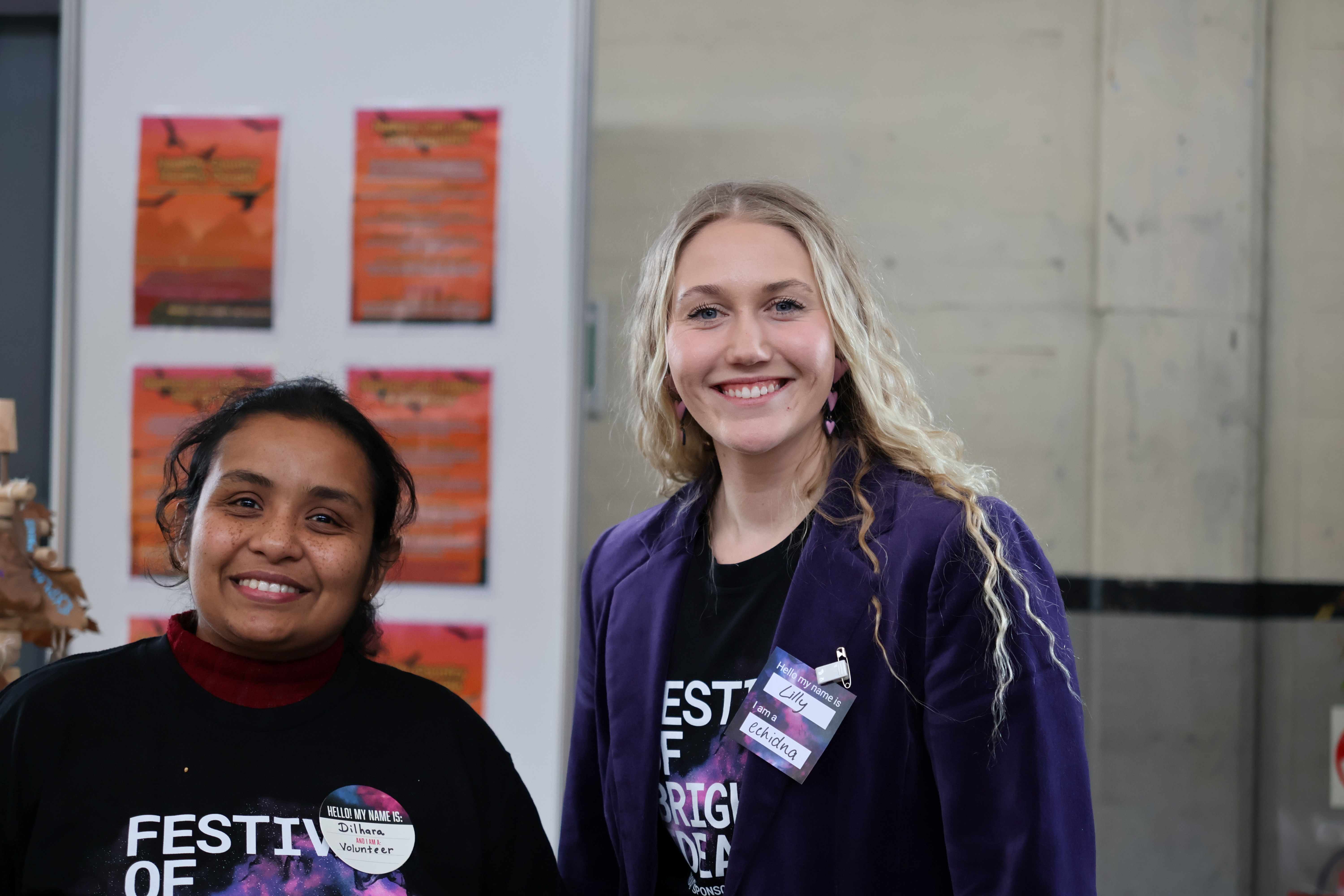
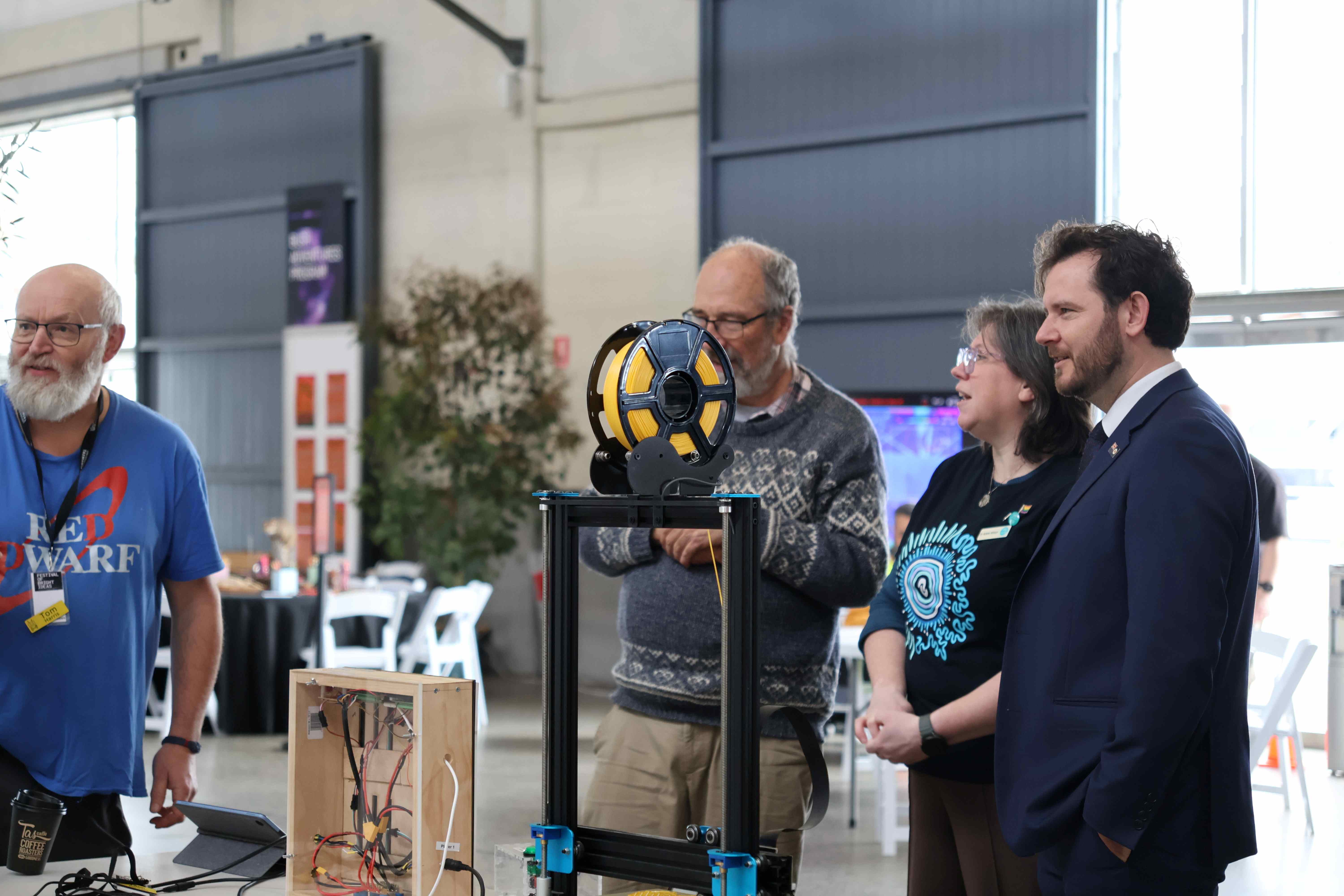
Things will whiz, bang, fly, crawl, swim and maybe even explode when the Festival of Bright Ideas returns to Hobart. Tasmania's biggest hands-on science festival will bring together researchers, inventors and STEM organisations for a day of experiments, demonstrations and interactive discovery.
Big Burnie Science Week and GreenSTEM Fair
18-19 August
Burnie will become Tasmania's City of Science as students, families, scientists and industry come together for a celebration of STEM. At the heart of the program, students from across north-west Tasmania will showcase science investigations, engineering prototypes and technology projects at the GreenSTEM Fair.
The Clitoral Chronicles
11 August, Ulverstone; 21-22 August, Hobart
Comedy, physical theatre and evolutionary biology collide in a science show exploring one of the most overlooked organs in scientific history. Blending research with storytelling and anatomical costumes, the production examines how assumptions about sex and gender have shaped science while putting female and LGBTQIA+ perspectives centre stage.
NatureTracking across the Furneaux Islands
24-27 August
From eagle nests to crayfish burrows and mysterious night-time calls, Furneaux Islanders are being invited to help uncover the wildlife stories unfolding around them. Participants will use survey tools and acoustic recorders to help monitor threatened species and contribute to Tasmania's conservation knowledge.
Pedal Powered Cinema
22 August
Movie-goers will help power the projector by riding specially designed bicycles at this renewable energy-themed cinema event. Alongside a screening of The Boy Who Harnessed the Wind, audiences will learn how pedal-powered technology converts human energy into electricity, with pedal-powered smoothies and food also on offer.
ExBEERimental Science
21 August (Hobart), 26 August (Burnie), 12 September (Launceston)
Science is on tap as Tasmanian brewers turn beer tasting into a lesson in chemistry, microbiology and flavour. Experimental brews will reveal how small changes in yeast, hops, malt and water can dramatically alter the final product, turning a beer tasting into a hands-on science experiment.
Hive's Seeds of Curiosity
8-26 August, Ulverstone
From agribusiness and sustainability to astronomy and emerging technologies, Seeds of Curiosity explores the science shaping north-west Tasmania. Across three weeks of events, visitors can discover the research and innovation driving the region's industries, environment and future.
Move Those Wiggles! The Art and Science of Toddler-Wrangling
14 August, Glenorchy; 18 August, Geeveston; 21 August, Kingston; 22 August, Online
What is happening inside a toddler's brain during a meltdown? This practical event explores the science behind big feelings, helping parents understand emotional regulation, stress and co-regulation while sharing evidence-based tools for navigating the toddler years.
Circular Head Science Gig
17 August, Smithton
Celebrating its 20th year, the Circular Head Science Gig combines robotics, engineering challenges, experiments and games for a night of hands-on science fun. The long-running community event has become a Science Week fixture in Tasmania's north-west.
As part of National Science Week, the 2026 STEM Excellence Awards will also launch, recognising outstanding achievement in science, technology, engineering and mathematics across Tasmania.


