
Veijo Salo, new research group leader at the Department of Medical Biochemistry and Biophysics at Karolinska Institutet has received SSMF (Svenska Sällskapet för Medicinsk Forskning) starting grant 2025.
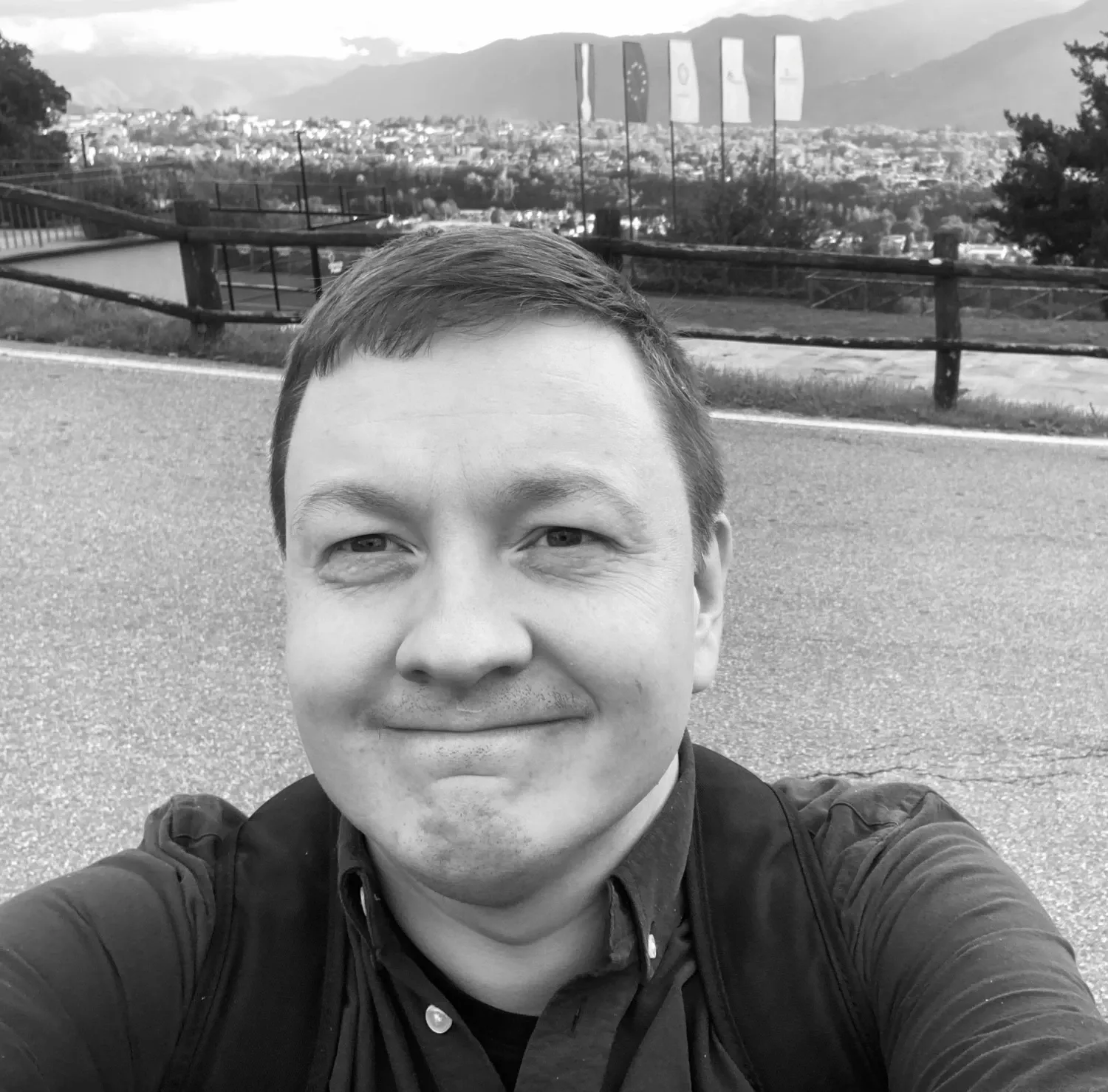
Congratulations Veijo ! Tell us about the SSMF starting grant you received?
"I received the SSMF Starting Grant, which provides 8 million SEK over four years. I am very grateful for this support, which enables me to establish my research group at Karolinska Institutet and launch a research programme focused on understanding how liver cells regulate lipid storage and secretion at the molecular level, forming a core part of my lab's broader interest in the molecular logic and architecture of lipid flux in metabolic health and disease."
Tell us about your project!
"This project aims to understand how liver cells decide whether newly made fat should be stored inside the cell or exported into the bloodstream. These two pathways have very different implications for metabolic health: directing lipids into intracellular organelles called lipid droplets promotes intracellular fat accumulation and can lead to fatty liver disease, whereas sending too much lipid out as lipoprotein particles raises circulating lipids and increases the risk of cardiovascular disease. Yet both processes begin in the same place, the endoplasmic reticulum, which acts as a central decision point for lipid trafficking. Despite its importance, we still know remarkably little about how this shared membrane network coordinates the balance between storage and secretion."
"In this project, we combine live-cell imaging, biochemical approaches and cutting-edge cryo-correlative electron tomography to visualize how neutral lipids move, cluster and are packaged within specialized ER subdomains. By integrating these observations with lipid biophysics and computational modelling, we aim to build an integrated view of how the ER directs lipids toward either storage or secretion. Ultimately, the goal is to uncover the molecular rules that keep hepatic lipid metabolism in balance, and to understand how disruptions in these rules contribute to metabolic and cardiovascular disease."
Who is taking part in the study?
"The research will take place in my new laboratory at the Department of Medical Biochemistry and Biophysics (MBB) at Karolinska Institutet, in close collaboration with the KI 3D-EM Core Facility. I am excited to work with this state-of-the-art cryo-electron microscopy environment to establish new methods for visualizing lipid-handling machinery directly in cells and tissues."
"I am also looking forward to working with lipid biophysicists, cryo-EM specialists and liver physiology researchers at KI and SciLifeLab. Their complementary expertise will allow us to combine structural, biophysical and imaging approaches, and to develop new ways of analysing how lipid droplets and lipoproteins form and mature."
"Alongside these local collaborations, I will work with international partners in lipid cell biology, lipoprotein biology and computational modelling. These collaborations will help us bring together molecular imaging, quantitative biophysics and mechanistic modelling to build a predictive understanding of lipid storage and secretion in hepatocytes."
Which patient groups will benefit from the research and how?
"This project is rooted in fundamental research, but it addresses a question with clear medical relevance: how the liver decides whether to store or secrete fat. Disturbances in this balance underpin conditions such as fatty liver disease, type 2 diabetes and cardiovascular disease. Many of the molecular pathways we investigate, including those governing lipid droplet and lipoprotein biogenesis, are genetically linked to these disorders, underscoring how closely hepatic lipid handling is tied to human metabolic health. At present, treatment options for fatty liver disease remain limited, and many therapeutic strategies under development act on pathways that also influence how lipids are processed by the liver. Because lipid storage and secretion are tightly interconnected, interventions may shift this balance in complex ways. By clarifying the molecular principles that govern this decision point, our research may help inspire future therapeutic strategies that restore hepatic lipid flux with greater precision and fewer unintended effects."


