
'We all will experience hardship, and what's important is how you respond to it'
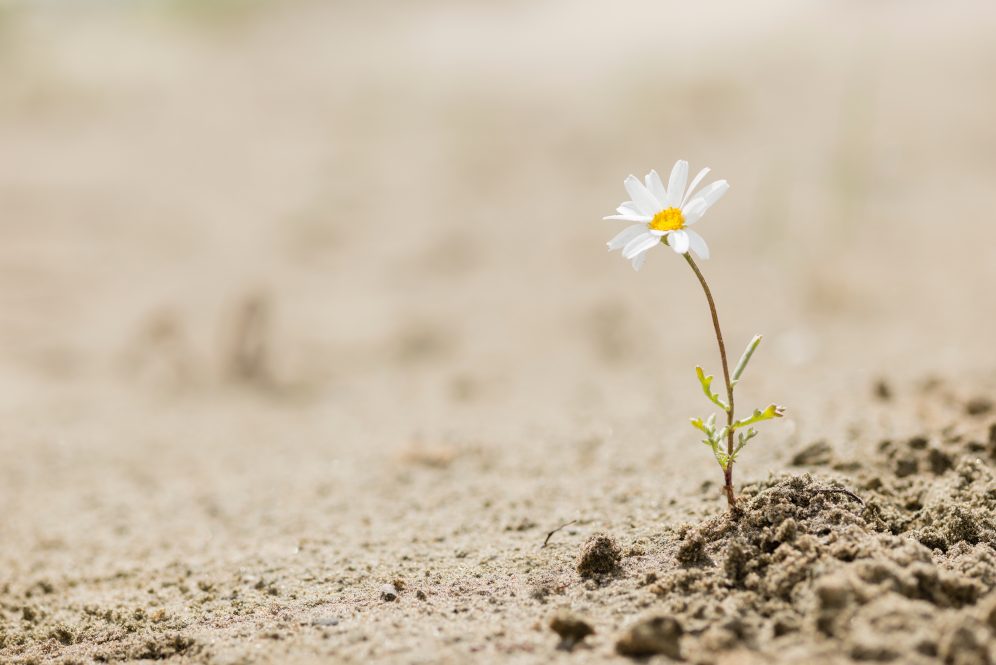
"Just because you're struggling doesn't mean you're failing," Bellizzi says. "It means you're human." (Adobe photo)
When Keith Bellizzi was diagnosed with cancer four days shy of his 25th birthday, there wasn't much to smile about.
There wasn't anything fun about the prospect of spending two years in the hospital fighting a disease that had spread during the six months he waited to call a doctor for pain that deep down he knew at the outset wasn't normal.
The Mohawk haircut was kind of cool though, and so were the other designs his best friend carved into his hairline the day of his head-shaving party. Like with many cancer patients, it was Bellizzi's way of exerting control over the inevitable.
"I was able to do it on my terms, and that made a difference," he says of that day in his kitchen back in the mid-1990s when he watched his locks fall to the ground.

Taking control is among the three things that Bellizzi, a human development and family sciences professor at UConn who specializes in cancer survivorship, says helps people through hard times.
"Society teaches us that when we face adversity, we have to be tough, we have to power through, we have to be positive all the time," Bellizzi says. "We're also taught that resilience means bouncing back. I argue that sometimes there's nowhere to bounce back to. Illness, trauma, and loss change you forever. So, when I think about resilience, I think about it as adapting in a meaningful way to the life that you're currently living."
Adversity Is Part of Being Human
From life and death circumstances to irritating and inconvenient situations, trying times plague everyone, he says, it's part of being human. A health diagnosis might bring bad news, parenting might become a challenge, work pressures might squeeze, finances might erode - and the break hits when the garage door stops working or furnace keeps going out.
Before those storms move in, Bellizzi - whose book "Falling Forward: The New Science of Resilience and Personal Transformation" was published by Thrive Press in late 2025 - says people need to understand that resilience is not a fixed trait that someone either has or doesn't have.
It's something that comes about through the choices a person makes each day, and the first choice is recognizing what things can be controlled and what things cannot, much like the buzzing of Bellizzi's hair.
"Trying to control what's uncontrollable causes anxiety, stress, and worry," he says. "Instead, if you focus on things you can control, that gives you agency, and research tells us that agency and control are important when it comes to healthy adaptation."
The second choice that resilient people make, he says, is pausing and resetting, making self-care a priority even in a world that rushes people through their days. Regularly reassessing one's goals and prioritizing what's important helps to ground and allows a person to live in the moment.
For Bellizzi that means going for a hike or bike ride, sitting in a sunny window to meditate, calling a friend who's far away but not forgotten, small things that don't take a lot of time but make a big difference.
"Practicing self-care doesn't mean you're selfish," he says. "Not only do you benefit, but your employer benefits, your family benefits, and the relationships that you're in typically are stronger and better because of it."
After all, life isn't a solo journey, Bellizzi says, and the third choice that resilient people make is recognizing the importance of maintaining connections and asking for support when needed.
For example, he says, an older person who may have aged into disability and now has trouble getting around might need to lean on the family support system to keep them from feeling isolated. That could mean picking them up and taking them to breakfast or the park more often or chatting with them more regularly over video call.
"Isolation is something that's becoming more prevalent and problematic in our society," Bellizzi says. "We really need to strengthen our support networks and activate them in times of trial."
Consistent Practice - Even for the Researcher
Bellizzi says he'd describe as resilient many of the people he's met in life, and what's consistent among all of them is their conscious practice of it each day – and that includes himself.
Subsequent cancer diagnoses and treatment in 2016 and 2022 were like sucker punches for even the researcher who's made a career of studying how to recover from hardship. Surviving them took work, using every strategy he'd accumulated over 20 years of study.
"We all will experience hardship, and what's important is how you respond to it," he says. "The term 'falling forward' suggests that we all struggle, yet as we learn to adapt, we can do it in a way that moves us forward."
That's hard, though, in a world in which increasing levels of loss, hardship, and struggle are part of nearly every breaking news alert detailing turbulent times at home and abroad.
Bellizzi says the news can cause a great deal of anxiety, so limiting the amount of time spent on social media or consuming news stories is important and harkens to the first choice of resilient people, that is taking control over what you can.
Ruminating on things outside one's control only causes additional stress, he adds, noting that study after study has shown that chronic stress negatively affects the body, which then could exacerbate the adversities at hand.
"Just because you're struggling doesn't mean you're failing," Bellizzi says. "It means you're human. We're all struggling, we all have things in life that we're dealing with. It's not always about powering through. Sometimes it's about learning how to carry it forward, with meaning."


