
UGA researchers located the hard-to-find species using a new wildlife monitoring strategy.
University of Georgia researchers recently located the mammal equivalent of a needle in a haystack: weasels.
The new study used a combination of strategic camera placement and detection dogs to monitor the mysterious creatures.
Weasels are extremely difficult to find, so not much is known about their preferred habitats and overall population health in the Southeast.
By applying what they learned from this new detection technique in North Georgia to other locations, the researchers confirmed the presence of long-tailed weasels in other parts of the state. They also documented weasels in South Georgia for the first time in 30 years.
"Because weasels are notoriously difficult to detect, we don't have much information on them. We know that despite their small size, they are efficient hunters, playing an important role in pest management," said Lexie Dingerson, co-author of the study and a master's student in UGA's Warnell School of Forestry and Natural Resources. "We have to better understand populations, which is why this new monitoring strategy is important. Our research offers a starting point."
New detection technique is 30 times more effective than stand-alone camera monitoring
In one study, researchers conducted two tests over the course of a year across about 30,000 acres in the North Georgia wilderness to determine the presence of weasels.
"We need to know about a species' ecology and abundance to make informed management decisions. That requires monitoring. That's where this camera method comes into play," said Jenna Myers, corresponding author of the study and a doctoral candidate in the Warnell School. "If we don't know where species are or how populations are doing, we can't make informed management decisions, such as land protection and trapping regulations."
The first round included placing 599 cameras in randomly selected locations that the researchers monitored for about 300 nights. Researchers retrieved each camera every two weeks to check footage.
Just 1.5% of cameras - nine out of the 599 - picked up weasels.
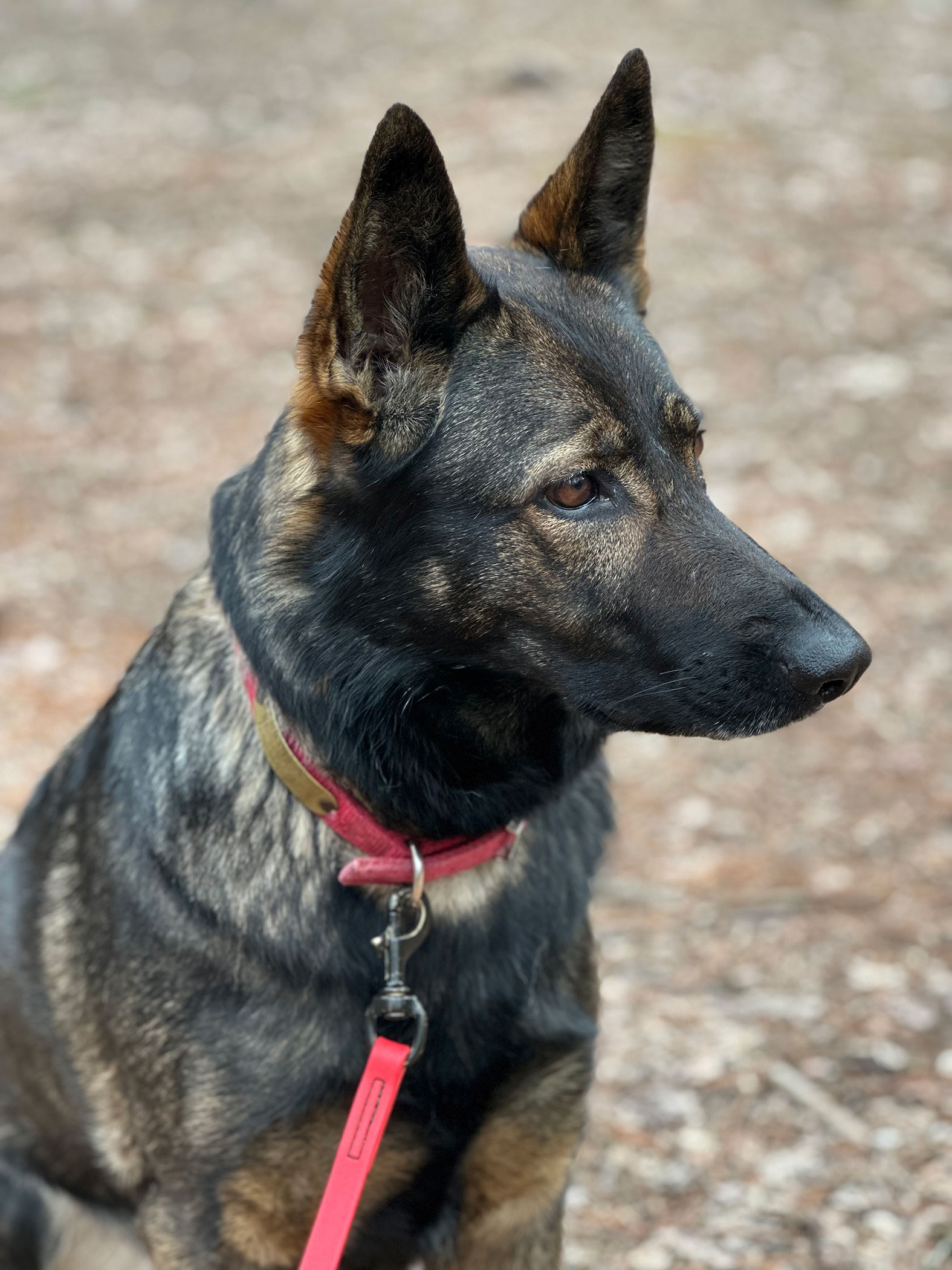
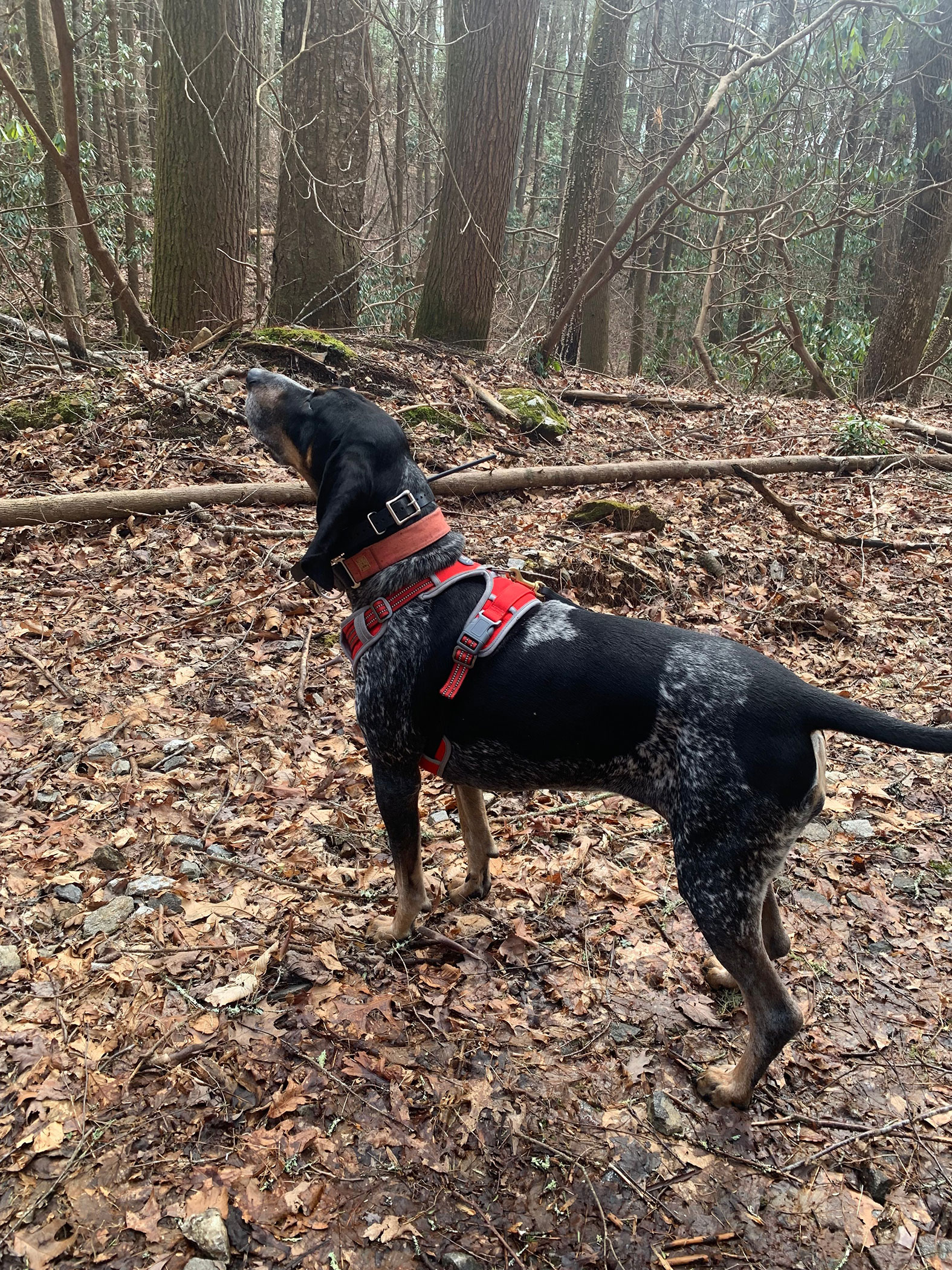
For the second part of the study, the researchers relied on detection dogs. They placed cameras where the dogs alerted to possible weasel presence, resulting in 16 new camera locations.
The researchers captured 77 weasels on camera in just over 200 nights. That's a camera success rate of 81% compared to the 1.5% without dogs.
Not only was the camera placement more successful in detecting the weasels, but it also cost about 10 times less than traditional methods.
The study is among the first to successfully validate this detection method.
"We actually learned from the dogs how we can place cameras better," Myers said. "They told us there were weasels present on the site and that we should be seeing them on our randomly placed cameras."
The study also sheds new insights into the ecology of weasels, revealing their tendency to set up shop near water sources with dense forest cover or downed logs. Detection rates peaked during April and May, likely due to increased activity as females hunt and store food as they have and raise young. Similarly, a smaller peak also appeared during the fall when weasels may increase foraging to build up food stores ahead of more limited winter movement.
Cameras found weasels in some Georgia locations for the first time
The researchers applied what they learned from detection-dog-guided camera placement at 20 wildlife management areas across the state, with 756 cameras over two different time periods of about 120 nights.
Weasels were found in four out of five sampled regions, including the Southern Coastal Plain, within the Dixon Memorial Wildlife Management Area, located near the Okefenokee Swamp. Before now, weasels had never been detected in that area.
"When I first realized that we detected a weasel in the Southern Coastal Plain, I immediately called Jenna and started crying. I couldn't believe we had found swamp weasels!" Dingerson said. "At that moment, it really felt like all the effort we had put into gaining a better understanding of how to survey this species was paying off."
When I first realized that we detected a weasel in the Southern Coastal Plain, I … started crying. I couldn't believe we had found swamp weasels!
Lexie Dingerson, Warnell School of Forestry & Natural Resources
The researchers also detected weasels in the Southeastern Plains, in the Flat Tub Wildlife Management Area near Denton. It had been more than 30 years since a weasel was seen in that region.
"If you don't detect an animal, does that mean that they're not there or is that just absence of detection? More reliable detection methods can help us distinguish between the two," Myers said. "Weasels are so hard to find, but cameras work great for coyotes, bobcats, raccoons, opossums and other small predators. So, increasing detections of difficult-to-detect species like weasels means we can use cameras to get an idea of what's going on with the entire predator community."
The study was published in Wildlife Letters and was co-authored by Emily Rushton and Tina Johannsen of the Georgia Department of Natural Resources; Mike Conner, an assistant professor and scientist in the Joseph E. Jones Ecological Research Center at Ichauway; and Steven Castleberry, a professor in wildlife ecology and management.


