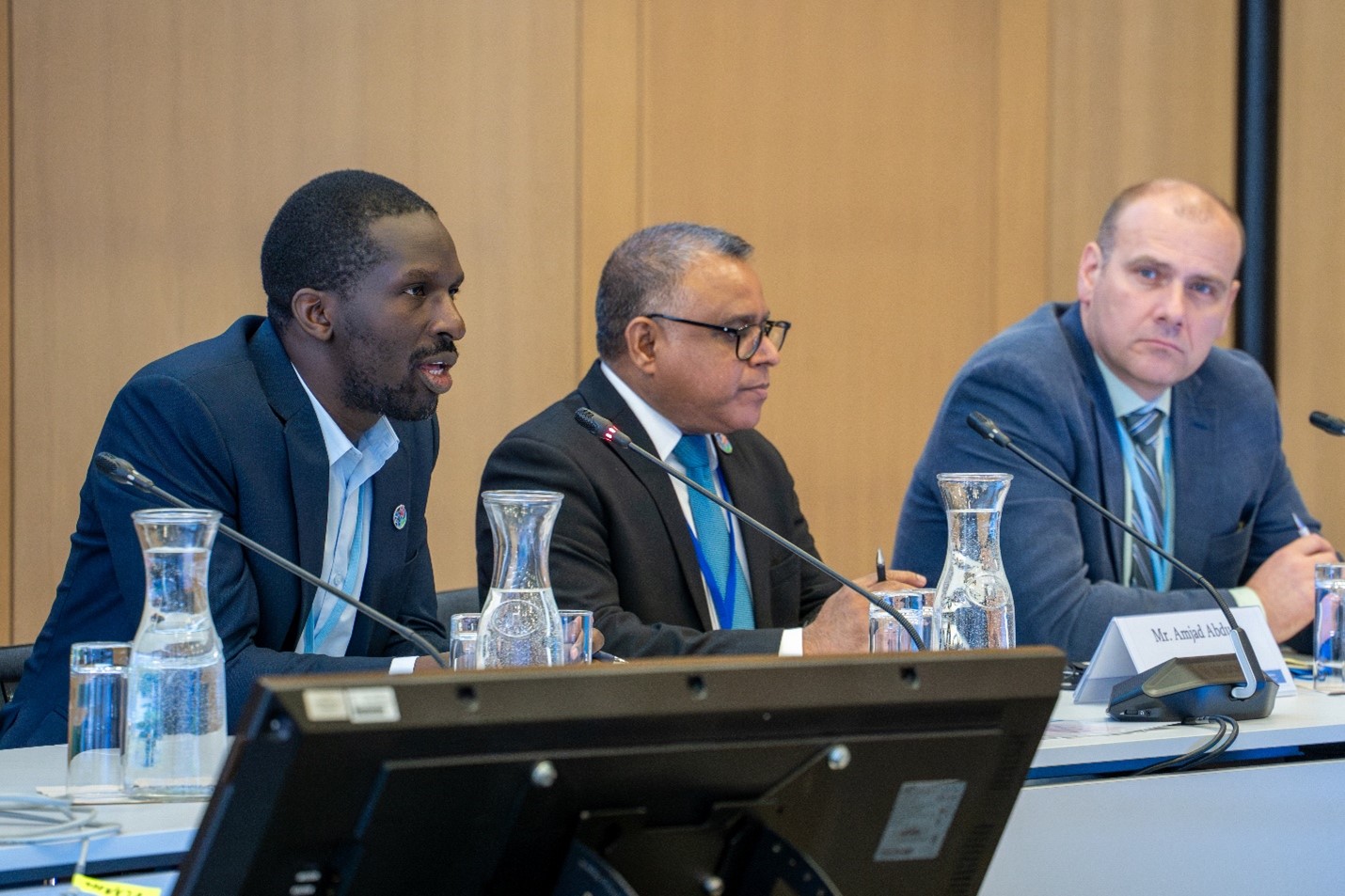
UN Climate Change News, 17 June 2026 - As countries prepare the next round of climate transparency reports under the Paris Agreement, leaders and experts at the June Climate Meetings in Bonn reaffirmed their commitment to the Enhanced Transparency Framework (ETF), highlighting that transparency is not merely a reporting requirement, but a strategic tool for stronger climate action - strengthening decision-making, attracting investment, and helping turn climate commitments into tangible results.
The high-level dialogue on transparency was jointly organized by UN Climate Change through the #Together4Transparency initiative, the COP29 Presidency's Baku Global Climate Transparency Platform, and the COP30 and COP31 Presidencies. It brought together heads of delegation, senior government representatives, international organizations and climate transparency experts to take stock of progress and strengthen political momentum for continued ETF implementation.
Fatma Varank, COP31 Chief Executive Officer and Deputy Minister of Environment, Urbanisation and Climate Change of the Republic of Türkiye, emphasized that transparency is a "strategic tool that supports the development of stronger climate policies, enhances coordination among public institutions, strengthens the investment and financing environment, and reinforces countries' long-term transformation capacities."
COP31 Deputy Chief Negotiator Chao Feng highlighted that Biennial Transparency Reports (BTRs) underpin global climate policy, serve as key inputs to the global stocktake, and inform investment and decision-making.
Sharing experiences and lessons learned
Parties highlighted the importance of establishing strong institutional arrangements, investing in national expertise, and integrating transparency systems across sectors and levels of government. They also exchanged lessons learned, successes and challenges encountered in implementing the ETF.
Reflecting on progress to date, Yalchin Rafiyev, COP29 Chief Negotiator and Deputy Foreign Minister of Azerbaijan, noted that "with the completion of the first full BTR cycle, we have a valuable stock of knowledge, lessons learned, and practical experience to build upon as we move into the preparation and submission of the next round of BTRs" and that the "next cycle comes at a particularly important moment, as countries advance implementation of their new NDCs, NAPs, and the NCQG on climate finance."
A consistent message throughout the dialogue was that transparency delivers benefits well beyond reporting. Countries reported improvements in data management, institutional coordination, policy planning and stakeholder engagement, while also identifying gaps and opportunities for enhanced climate action.
Continued support remains essential
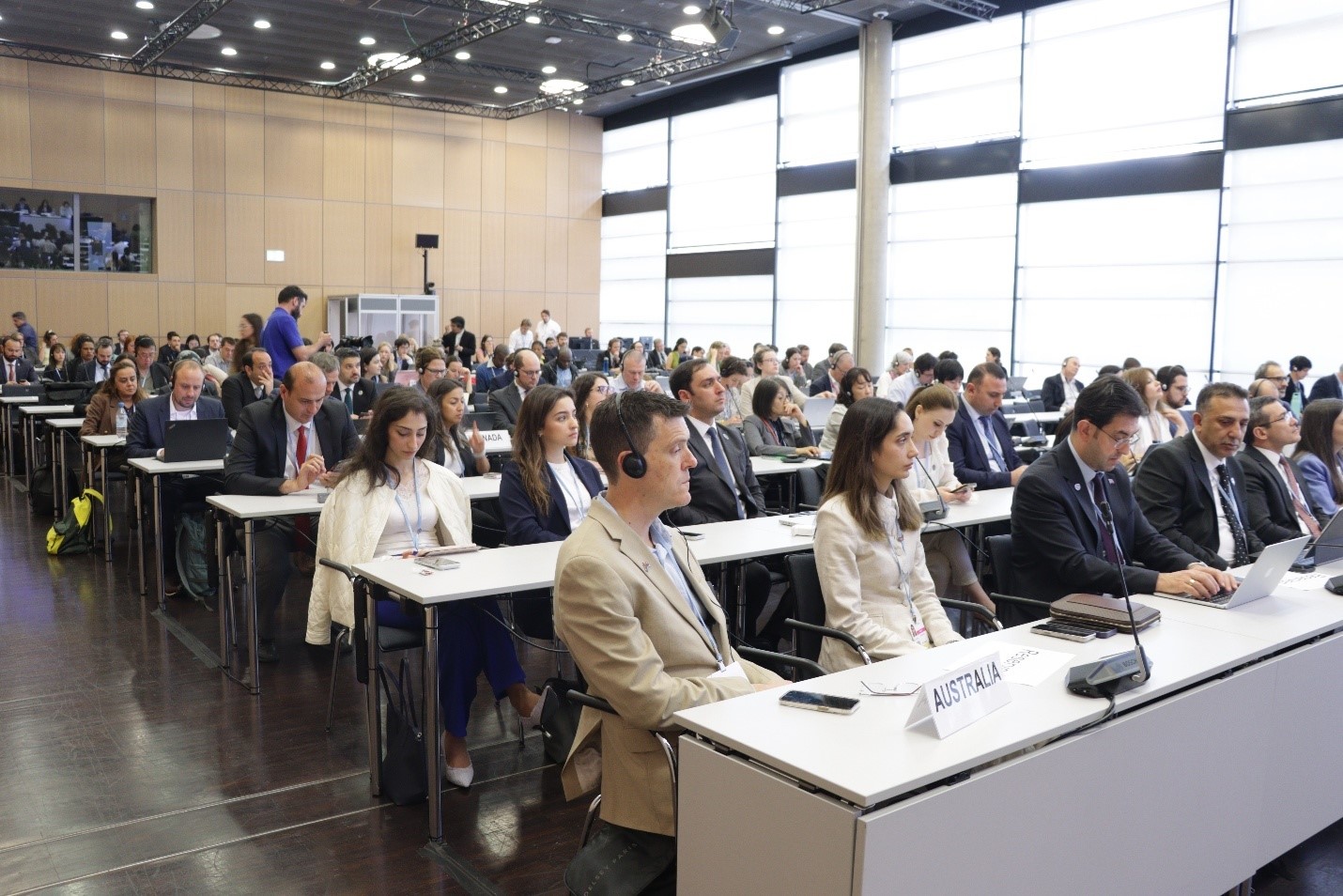
While celebrating progress, participants acknowledged that significant challenges remain, particularly for developing countries with limited technical and financial capacity.
COP30 Chief Negotiator Ambassador Liliam Chagas emphasized that "if implementation is to advance at the speed and scale required, support must also become more accessible, more predictable, and more responsive to national realities."
The event underscored the importance of ensuring that no country is left behind as ETF implementation advances, and provided an opportunity for partner organizations to share experiences supporting developing countries in meeting transparency requirements.
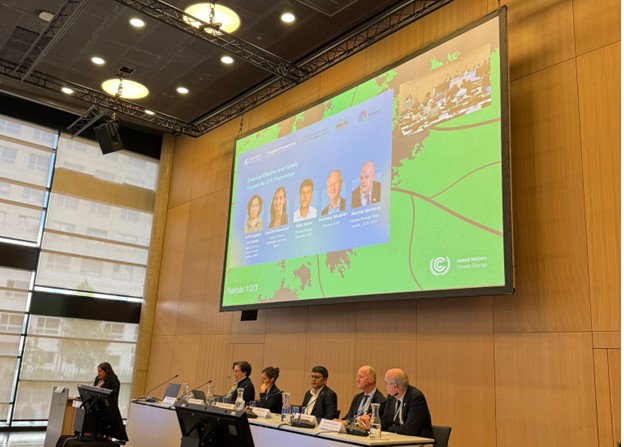
During a panel discussion, the Consultative Group of Experts, UNEP, UNDP, the GEF, ICAT and FAO highlighted their ongoing efforts to provide funding, technical assistance and capacity-building support. Participants also stressed the importance of international cooperation, peer learning and knowledge-sharing in helping countries prepare their first BTRs and strengthen future reporting cycles.
Looking ahead
As implementation of the ETF continues, speakers called for sustained high-level political engagement to ensure transparency remains a priority within national climate agendas. Noting that 2026 marks the year for submission of second BTRs, Parties called for timely submissions and highlighted the importance of continued support for developing countries.
Participants also emphasized that, following BTR submissions, the timely completion of technical expert reviews (TER) and the facilitative multilateral consideration of progress (FMCP) remain essential for Parties to receive feedback and continuously improve their transparency reports. Adequate human and financial resources will be needed to ensure these processes keep pace with the growing volume of submissions.
In her closing remarks, UN Climate Change Transparency Director Xuehong Wang highlighted the secretariat's ongoing efforts to explore innovative and efficient approaches to supporting TERs and the FMCP, while enhancing coherence and effectiveness across the transparency process.
The event concluded with a shared commitment to maintain momentum through a series of high-level engagements throughout the year, including Climate Week in Baku in September and a COP31 ministerial event in Antalya in November.