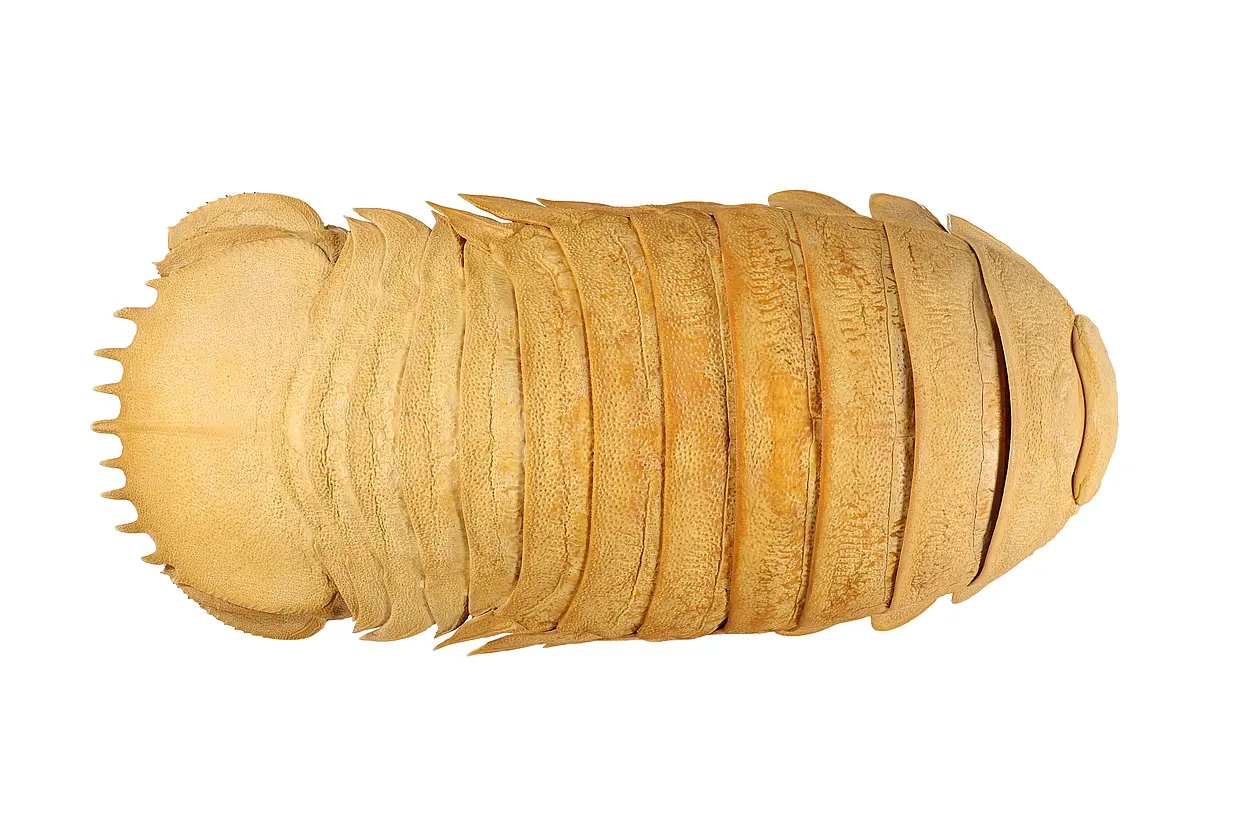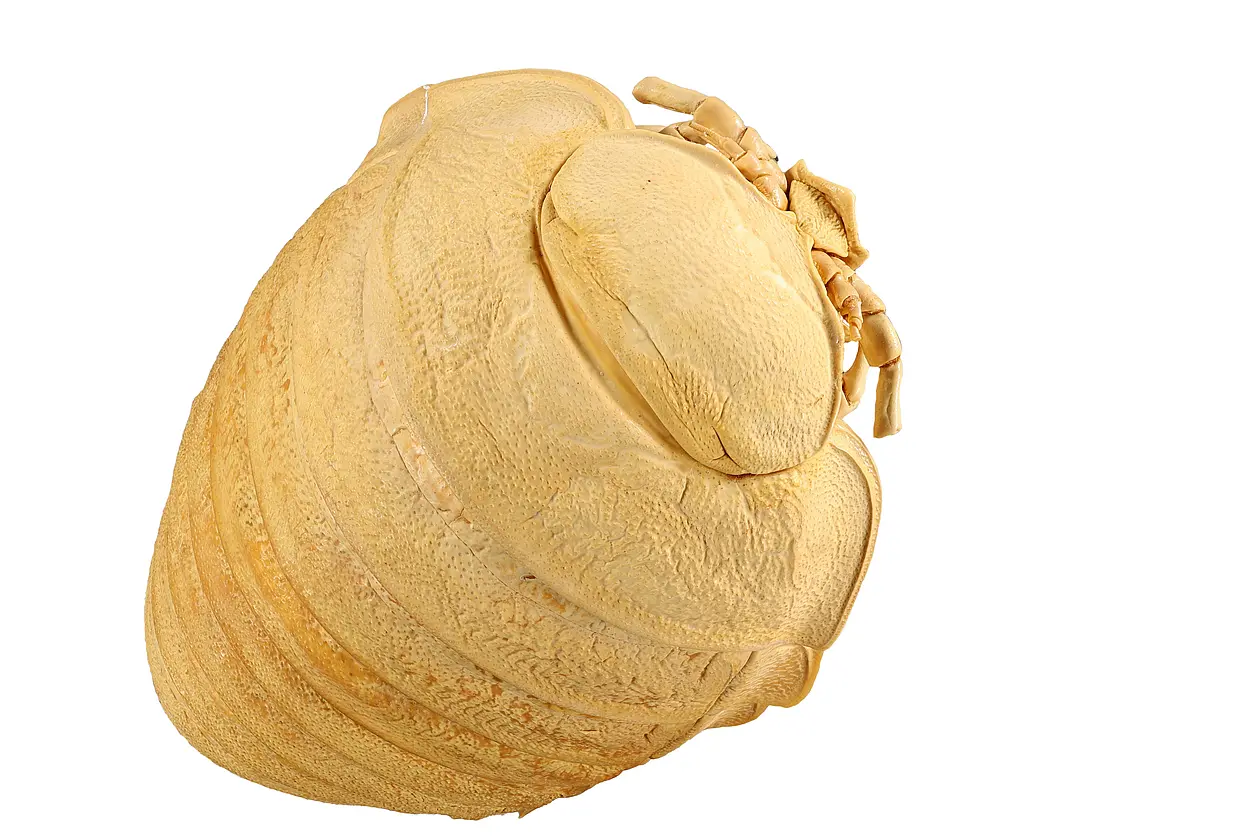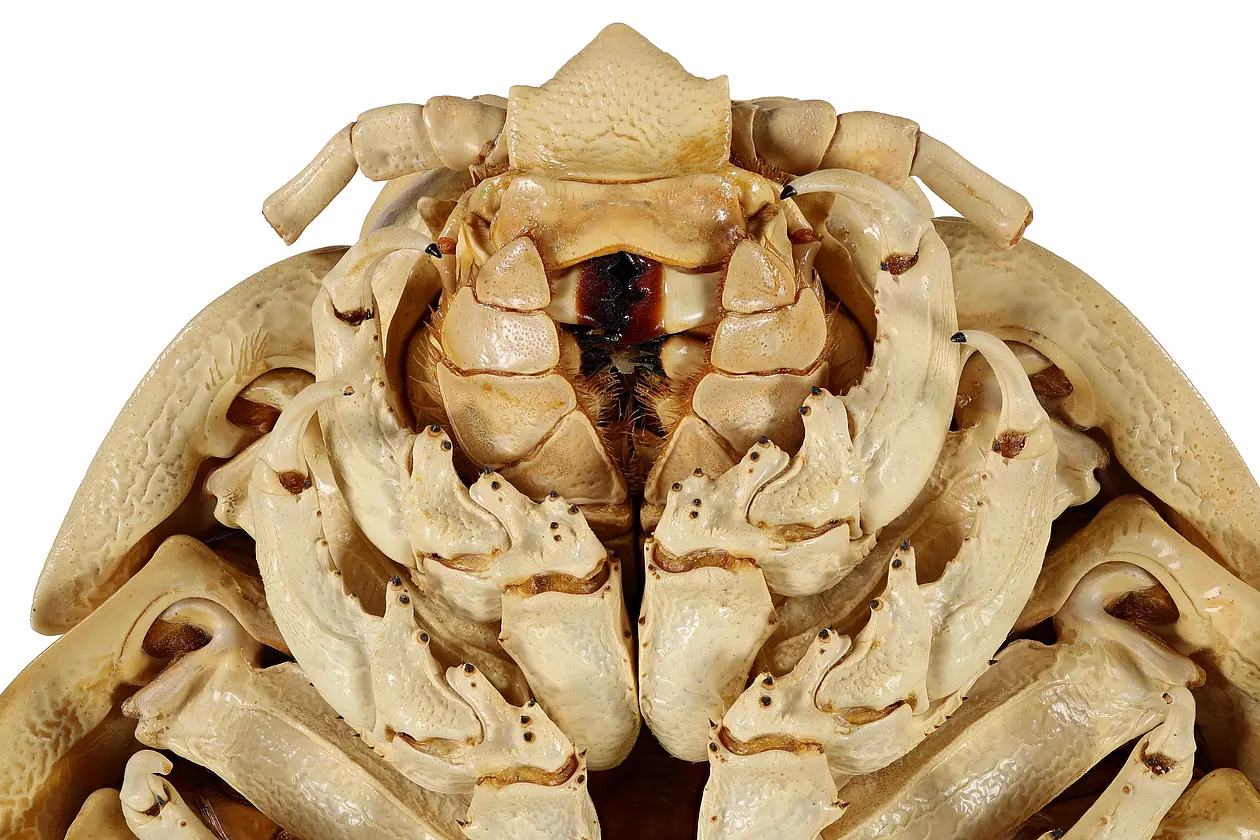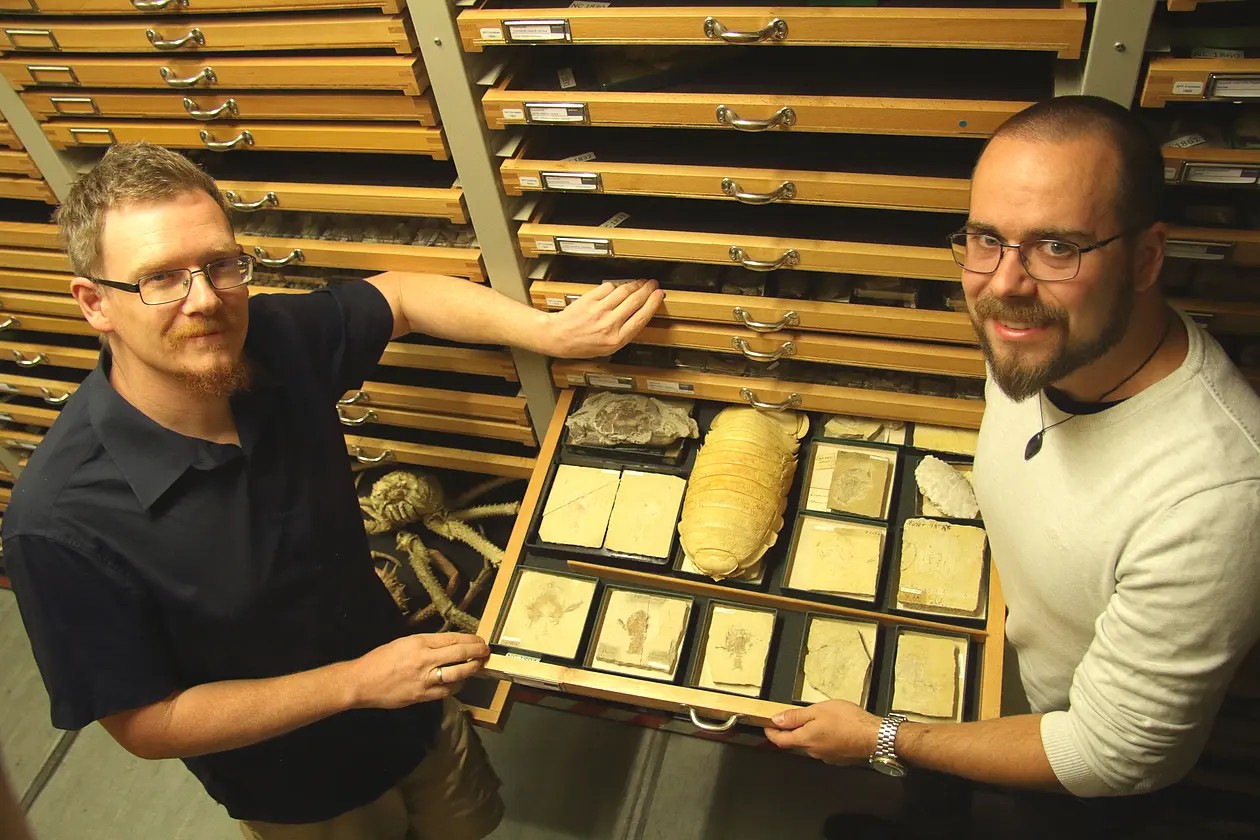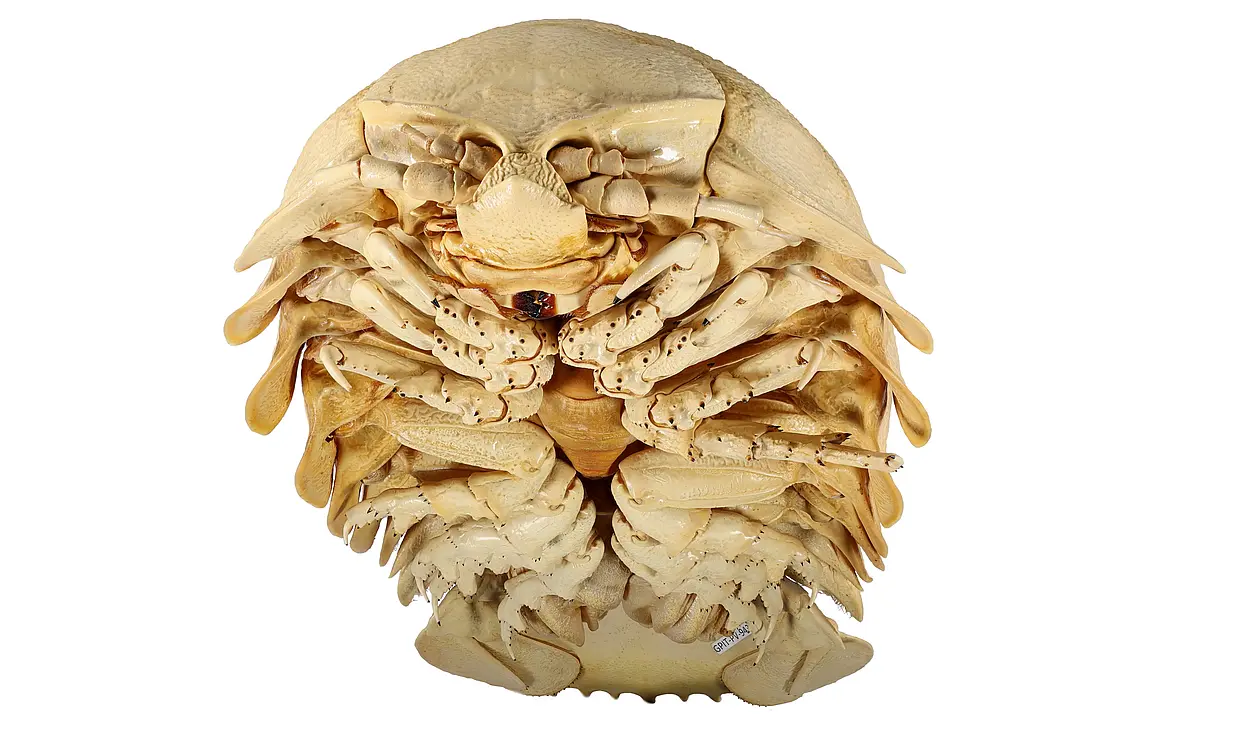
A giant isopod from Puerto Rico, rediscovered in the depository of the University of Tübingen's Paleontological Collection, has turned out to be a previously unknown species. Its discoverers - paleontology student and isopod expert Benedikt Kästle and the Paleontological Collection's curator, PD Dr. Ingmar Werneburg of the Senckenberg Center for Human Evolution and Palaeoenvironment at the University of Tübingen - named the new Bathynomus species tuebingoborikensis - after their University town and after the indigenous Taíno name for Puerto Rico, Boríken. Their study and description of the newly discovered species is expected to help scientists understand the overall evolution of all deep-sea isopods. It has been published in the journal Scientific Reports.
Giant isopods of the genus Bathynomus are found in all of the world's oceans and can grow up to 50 centimeters long and weigh several kilograms. These crustaceans are thus among the largest invertebrates. They inhabit the sea to depths as great as 2,500 meters, where they live as omnivores. In shape, these marine giant isopods resemble woodlice, the much smaller land isopods found in caves and damp basements. Their bodies are encased in an exoskeleton of calcareous, scale-like segments. The Tübingen isopod - a specimen of a species still living to-day - was acquired in the 1980s by the Tübingen paleontologist Professor Dolf Seilacher (1925-2014) at a research station in Puerto Rico and brought to Tübingen for educational purposes.
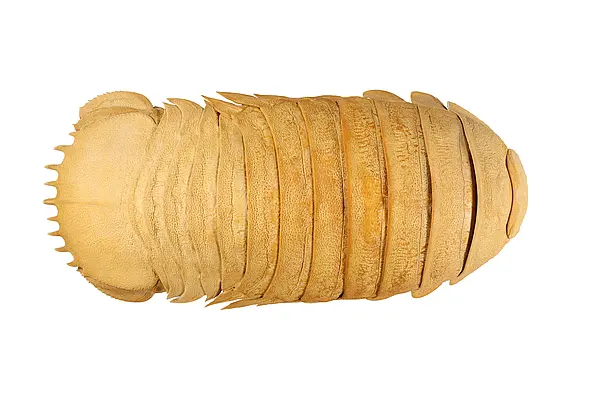
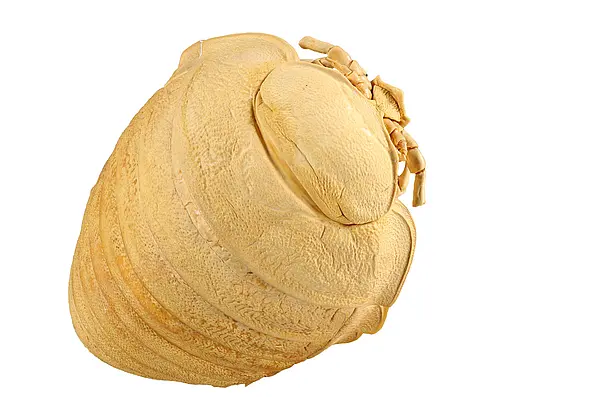
Evolution of ever-larger animals which spread to all the oceans
Benedikt Kästle and Ingmar Werneburg examined the dried specimen using state-of-the-art imaging techniques, identified it as a representative of a new species, and compared its anatomy to that of other giant isopods around the world. A phylogenetic analysis revealed that the entire Bathynomus genus likely originated in what is now the Gulf of Mexico during the Miocene, more than 15 million years ago. "At that time, the Isthmus of Panama was open, leaving a strait between North and South America, and the marine animals were able to spread westward, initially as far as Japan," says Werneburg. In the Indian and Pacific Oceans, they diversified into many new species. "This gave rise to the so-called 'giant' isopods that are up to 15 centimeters long, and the 'supergiants' with a body length of more than 15 centimeters," adds Kästle.
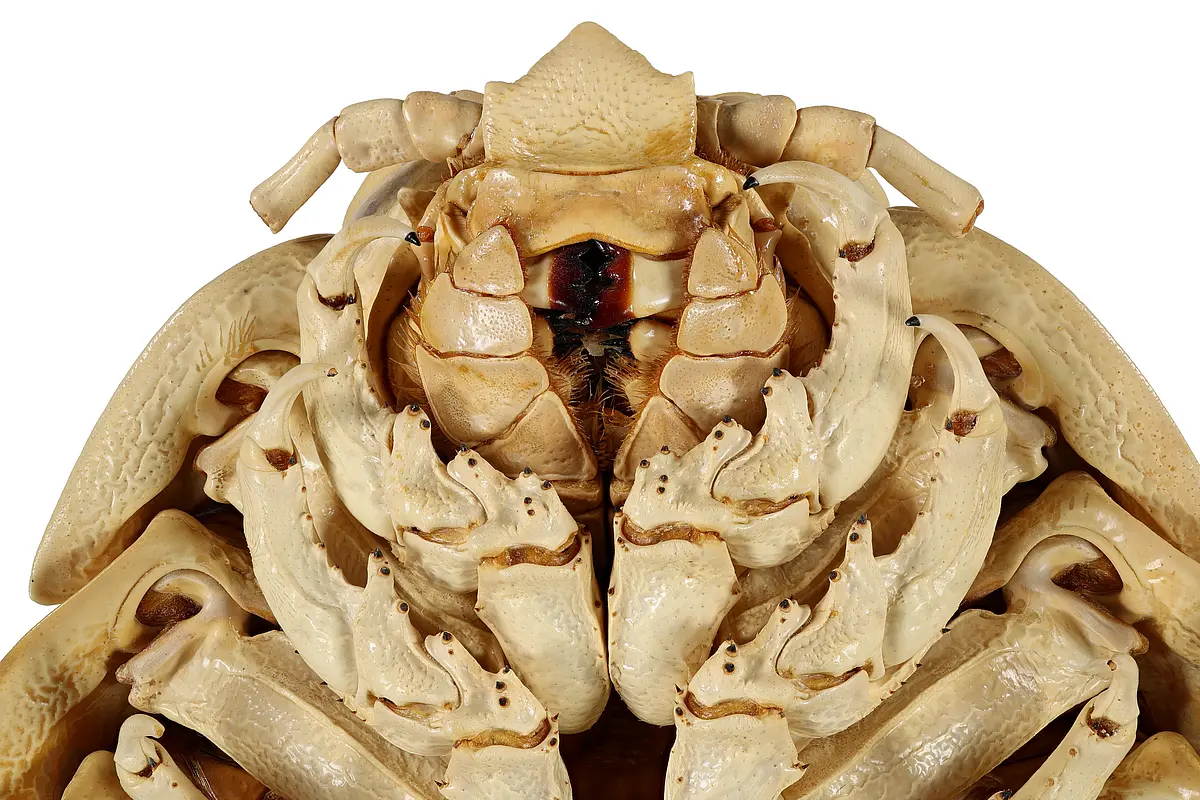
The giant isopods spread to Australia, East Africa, and before the collision of the Arabian and African continental plates, also to Europe. There, however, they became extinct at the end of the Miocene. As the Earth cooled at the Miocene-Pliocene boundary 5.333 million years ago, a unique group of giant isopods evolved in the Indo-Pacific: "These veritable colossi grew to more than 25.2 centimeters in length and were physiologically perfectly adapted to the new climatic conditions," says Werneburg.
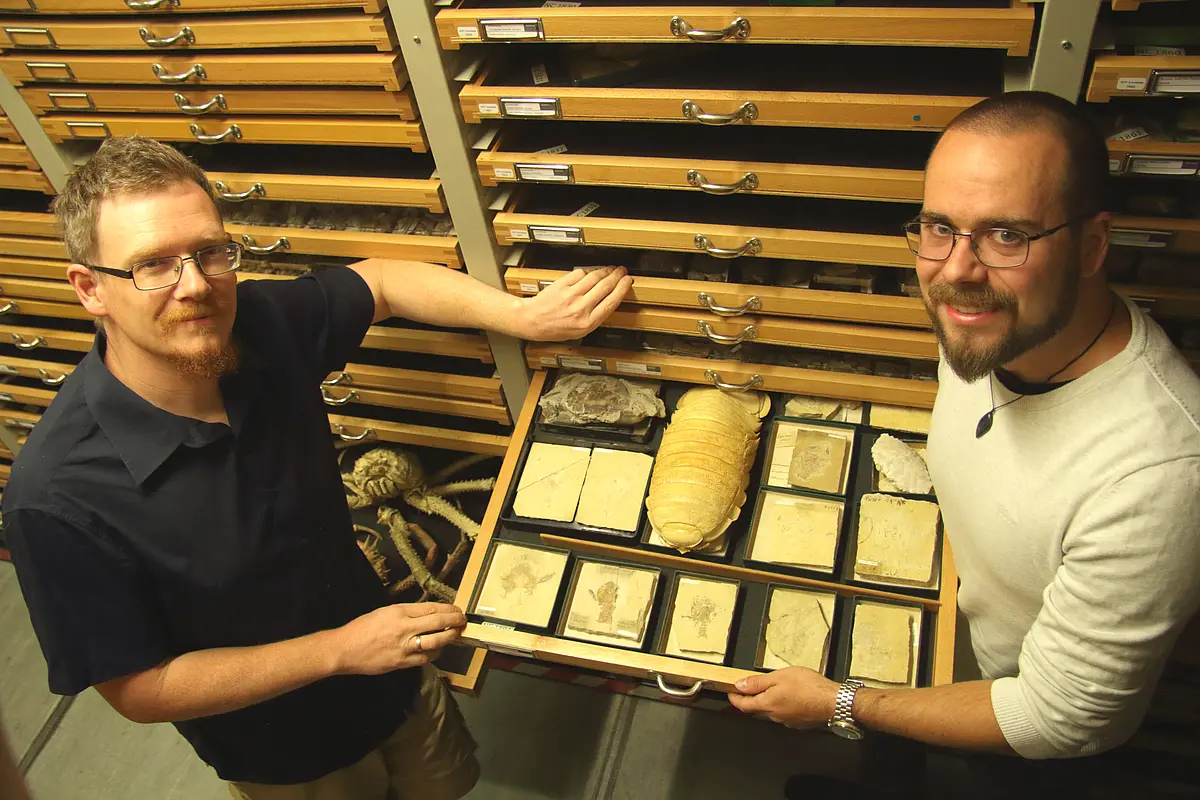
The researchers say these creatures spread from Australia via Antarctica to South and Central America, where they encountered their smaller, more distant relatives, who had remained behind after the genus's initial westward expansion. "Our Tübingen specimen from Puerto Rico, measuring 32.2 centimeters in length, falls into the category of 'colossogiants'," says Kästle. "The new species is very closely related to another giant species found off the Yucatán Peninsula in Mexico." The discovery underscores the great importance of natural history collections as global archives of nature, Werneburg points out.
Publication:
Ingmar Werneburg, Benedikt Kästle (2026): A new Caribbean species of the giant isopod genus Bathynomus (Crustacea, Isopoda, Cirolanidae) with notes on the evolutionary history of the group based on morphological data. Scientific Reports, https://doi.org/10.1038/s41598-026-69097-y