Highlighting UConn's leadership in heat safety research through the Korey Stringer Institute, the Occupational Heat Safety Summit united industry, policymakers, and scientists to tackle rising risks for workers nationwide
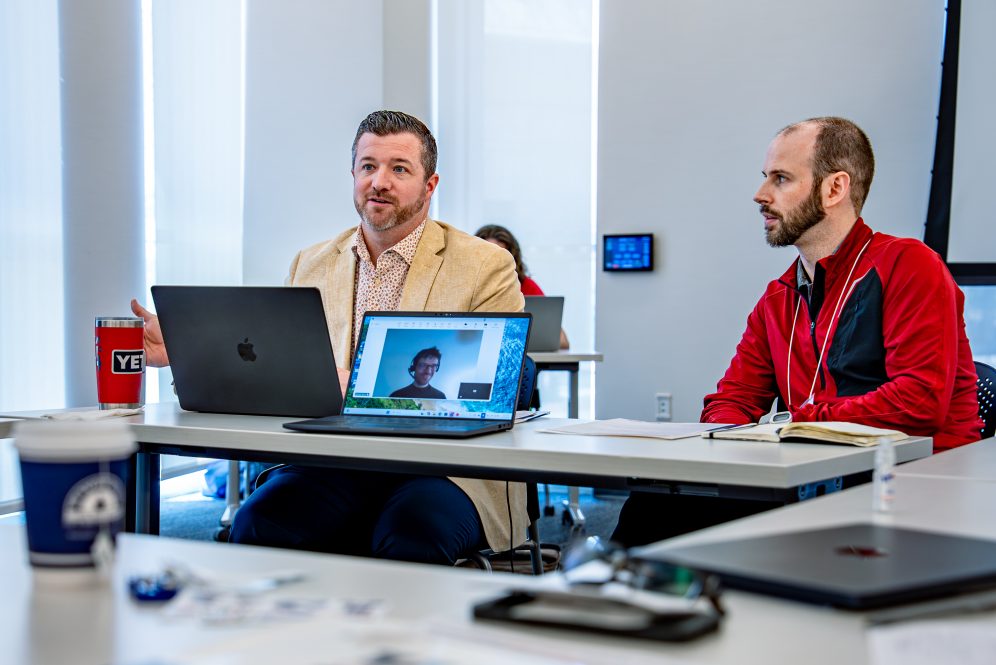
Robert Huggins, Assistant Professor in the Department of Kinesiology in the College of Agriculture, Health and Natural Resources and Chief Research Officer and Chief Research Officer and President of Occupational Safety and Athlete Performance at UConn's Korey Stringer Institute, speaks at the Occupational Heat Safety Summit while (center - on screen) Michele Zahner, Chief Technology Officer at Greenteg, and (right) Thomas Lambert, Global Product Development and Merchandising Leader at MISSION, listen. Apr. 10, 2026. (Jason Sheldon/UConn Photo)
As record-breaking heat events and evolving workplace regulations increase pressure on employers, the need for improving heat safety in occupational settings has never been more urgent.
In response to these escalating industry challenges, on April 10, UConn hosted the Occupational Heat Safety Industry Summit, convening leading experts, safety professionals, researchers, and solution providers to bridge the gap between research, policy, and real-world implementation. Held on the UConn Storrs campus, the summit was hosted by Kestrel Instruments, in partnership with UConn's Korey Stringer Institute (KSI).
KSI brings nationally recognized expertise to the summit. Housed in UConn's College of Agriculture, Health and Natural Resources (CAHNR), KSI is a leader in heat safety research and advocacy, bringing critical scientific expertise and a strong track record of translating research into real-world impact.
"This is about bringing the right people to the table," says Michael Naughton, chief operating officer at Kestrel Instruments. "We're creating space for open discussion around what's working, what's missing, and what needs to happen next to better protect workers. The organizations represented here are committed to advancing a safer future when it comes to heat safety."
Participants bring a wide range of perspectives, including safety and operations leaders from major employers such as UPS and Delta Air Lines, along with representatives from standards-setting organizations like the American Conference of Governmental Industrial Hygienists (ACGIH) and the International Safety Equipment Association (ISEA).
Participants also include manufacturers of environmental monitoring tools and personal protective equipment, safety and cooling technology providers, innovators in physiological monitoring, and industrial hygiene and consulting professionals, creating a cross-sector forum focused on improving heat safety in the workplace.

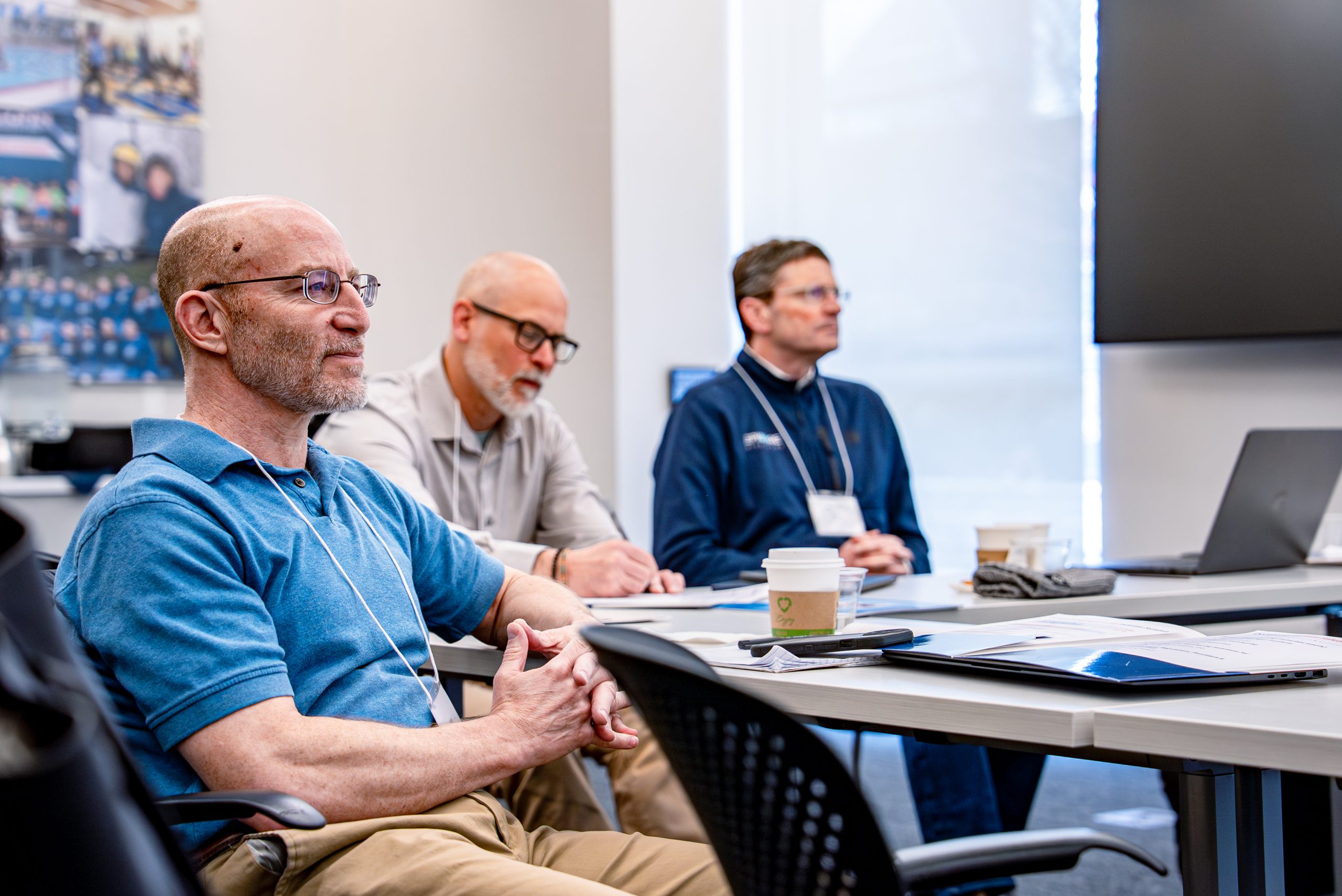

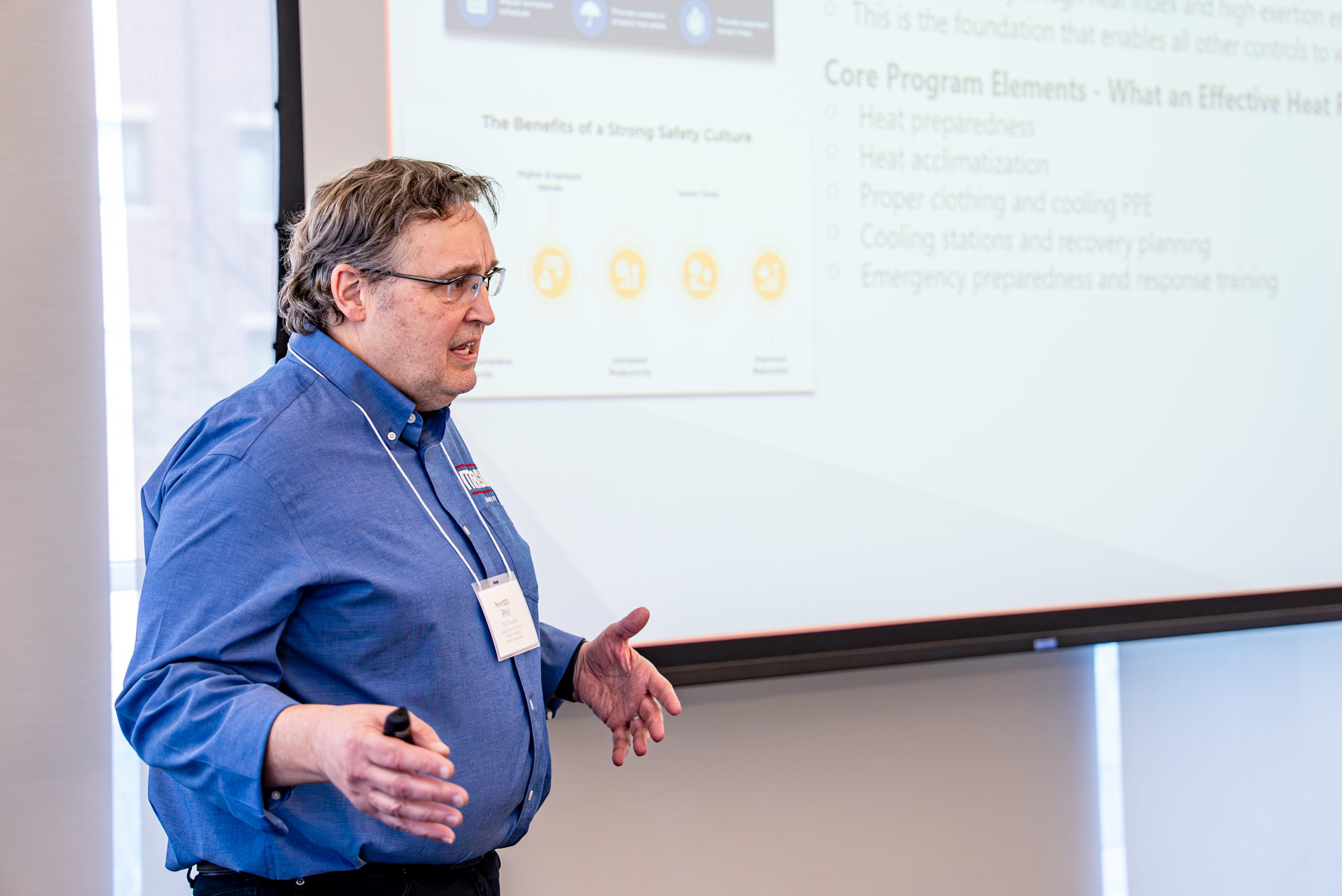



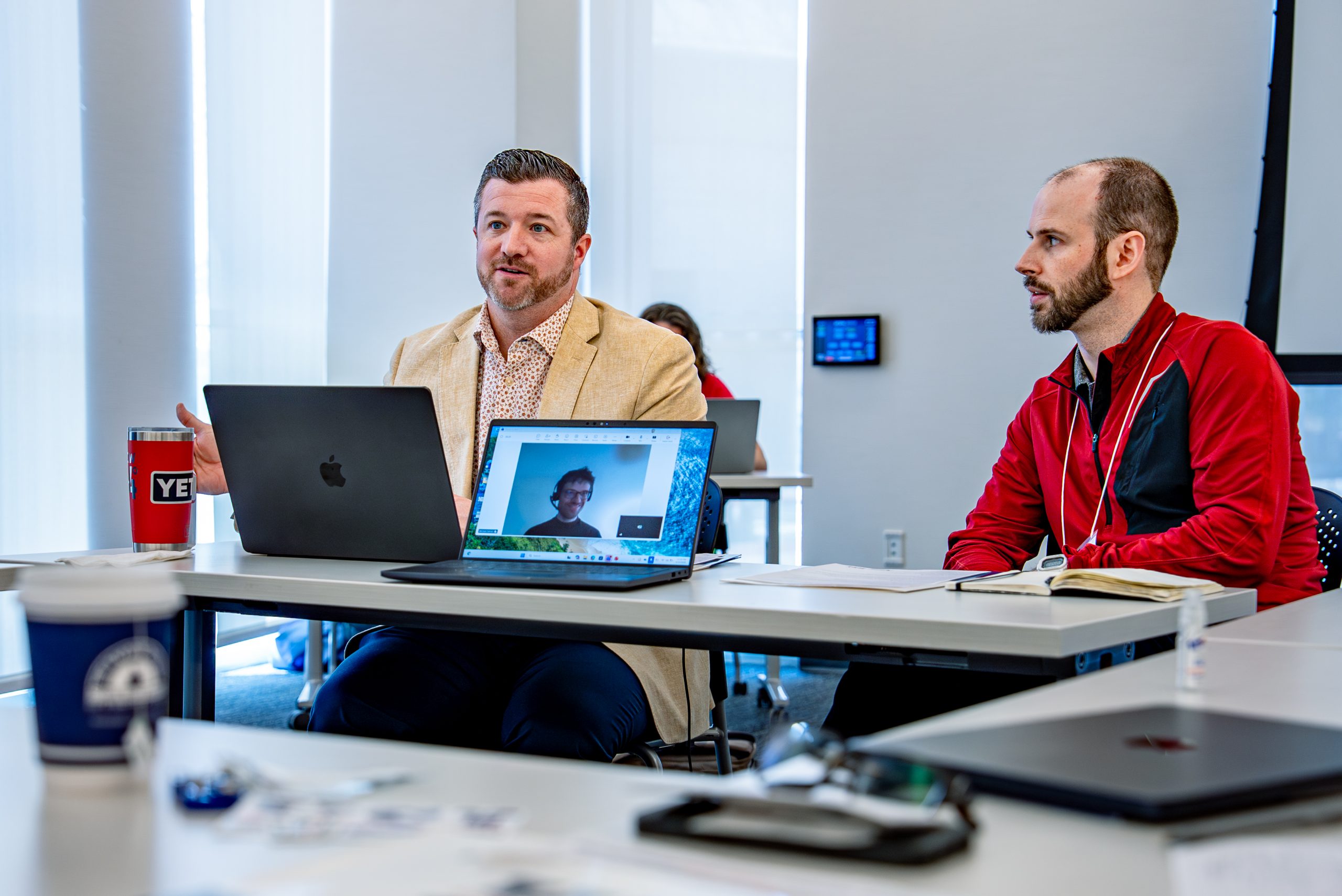

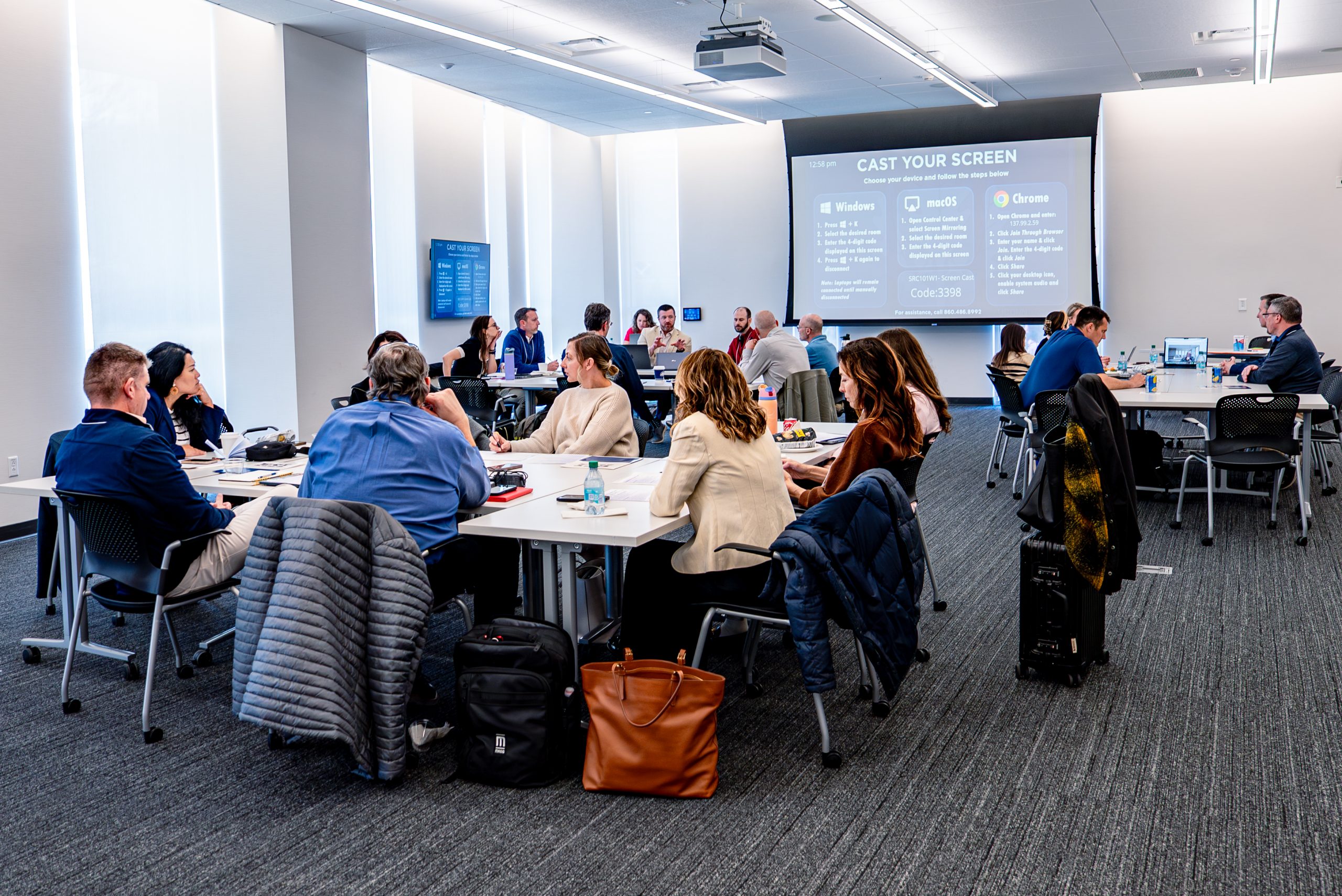
Over the course of the daylong event, attendees engaged in focused discussions on challenges, such as barriers to adopting heat safety practices, how employers make safety decisions, and priorities for advancing research, education, and real-world solutions.
"KSI has been at the forefront of heat safety education and prevention for years," says Douglas Casa, chief executive officer of KSI and Board of Trustees Distinguished Professor of Kinesiology at the University of Connecticut. "Through our research, education, and advocacy, we're working to drive meaningful change and bring proven heat safety practices into occupational settings where they're urgently needed."
"We're also proud to have Kestrel Instruments as a cherished partner for the past 15 years, working alongside us to advance heat safety through innovation, data, and shared commitment to protecting lives," says Casa.
Kestrel Instruments designs and manufactures rugged, accurate environmental monitoring tools trusted by professionals worldwide. Kestrel Heat Stress Trackers are widely used across occupational, athletic, and military settings to measure environmental conditions and support heat safety decision-making.
Organizers say the summit reflects a shared commitment among UConn, Kestrel Instruments, and participating organizations to move the conversation on heat safety forward and support safer working conditions as climate-related risks continue to grow.