
Although fighting has been raging in eastern Ukraine since 2014, most people in the country did not believe all-out war would occur. With the full-scale Russian invasion reaching the four-year mark, many Ukrainians cannot believe it has gone on for so long, with no end in sight.
Russia launched its so-called "special military operation" on 24 February 2022, in violation of the UN Charter and international law.
Since then, more than 14,000 civilians have been killed and overall damage is estimated at more than $195 billion .
'A stain on our collective consciousness': Guterres
"This devastating war is a stain on our collective consciousness, and remains a threat to regional and international peace and security," UN Secretary-General António Guterres said just ahead of the sombre anniversary.
He warned that "the longer the war continues, the deadlier it becomes," noting that "civilians bear the brunt of this conflict." Last year, 2,514 people were killed - the largest number so far. He described this as "simply unacceptable."
The conflict has brought endless hardship to the population. Older generations still remember the brutal fighting along the eastern front during the Second World War more than 80 years ago, but the current carnage has now lasted longer than what the Soviets referred to as the Great Patriotic War of 1941-1945.
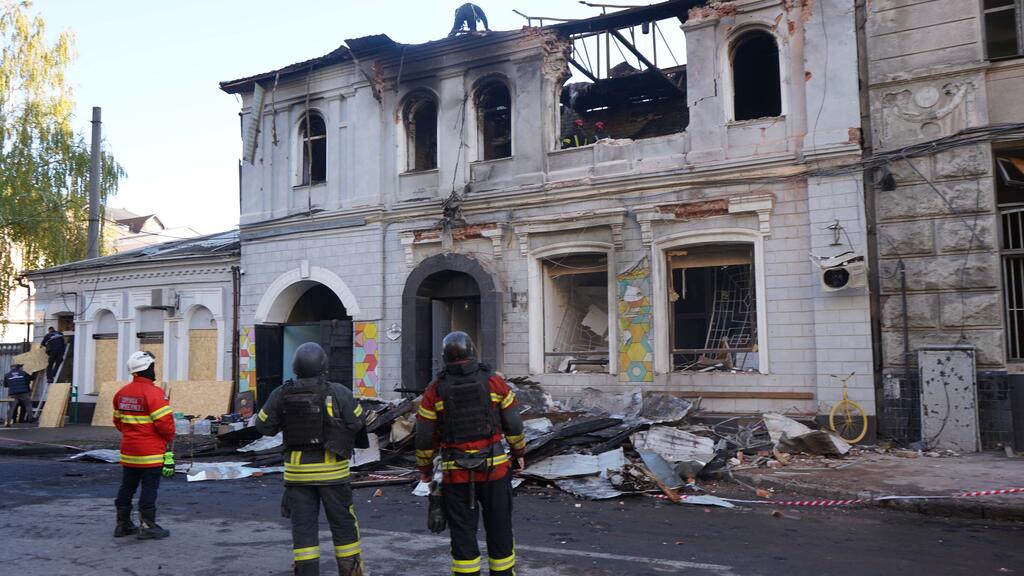
The current tragedy in Ukraine is not a monolith. Upon closer inspection, it crumbles into myriad fragments, each reflecting individual grief.
Some have lost loved ones in the war. Others had their homes bombed, and many who fled the country are unable to return due to the ongoing military operations.
A mother's dream
The frontline regional capital of Kherson has changed hands twice during the conflict. Sirens sound almost daily throughout the city, warning of shelling. Schools and kindergartens are closed, so parents are taking their children to underground shelters where they can safely learn, play, or even just stay warm amid plunging winter temperatures.
Victoria and her daughter, Myroslava, 5, attend one of these centres every day. The young mother tried to leave Kherson twice for nearby Mykolaiv but returned because "it's still easier at home, despite all the difficulties."
Victoria works part-time online and receives social benefits; her husband also works. Humanitarian organizations provide the family with essential supplies. "It's very helpful, and I'm grateful for the support," she said.
But she is very angry with politicians: "Nobody wants to end the war, they are not interested in it," she said.
Victoria's greatest dream is for a peaceful future for her daughter - one where "if anything explodes, it won't be bombs, but fireworks."
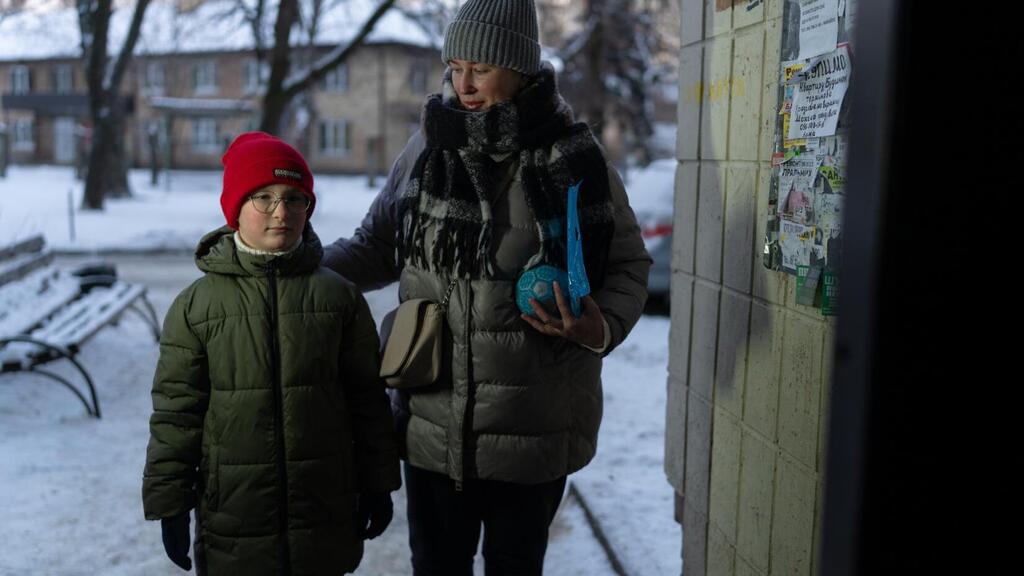
No escape from winter
As the central heating in Kherson barely works, Victoria's family uses a space heater against the freezing temperatures. "But it's barely warm," she said.
The piercing cold is a widespread problem. This winter has been particularly harsh for Ukraine.
Temperatures are dropping below minus 20 degrees Celsius, and Russian attacks on energy infrastructure are leaving hundreds of thousands of people without heat and electricity. In frontline areas, people report chronic shortages of generators and repair materials.
"Children can't leave their apartments," Kenan Madi, head of field operations for the United Nations Children's Fund ( UNICEF ) in the country, told UN News. "But even inside their apartments, the temperature drops to two or three degrees, and there's no heating. This poses serious risks to their health."
Cold numbers, 'hot' statistics
Against the backdrop of a harsh winter, the statistics regarding conflict are equally alarming.
By the end of 2025, there were 55,600 civilian casualties, including 13,883 fatalities, according to the UN human rights office ( OHCHR ). The actual figures are likely to be significantly higher as access to many frontline and occupied areas has been repeatedly denied.
The plight of children remains a huge concern. According to UNICEF, more than 3,200 children have been killed or injured since February 2022, with the number of child casualties increasing by 10 percent in 2025 compared to the previous year.
This marks the third consecutive year that the UN has recorded an increase in the number of child victims of the Russian full-scale invasion.
Furthermore, some 3.7 million Ukrainians are internally displaced. More than 4.4 million people who fled their homes since the war erupted have returned, including over one million who arrived from abroad. However, not everyone who crossed the border was able to return home - 372,000 people remain internally displaced.
On the eve of the fourth anniversary of the war, the UN rights chief reiterated that attacks on civilian infrastructure are prohibited under international humanitarian law.
"I call on the Russian Federation to immediately cease these attacks," Volker Türk said following large-scale strikes last week on energy infrastructure across several locations.
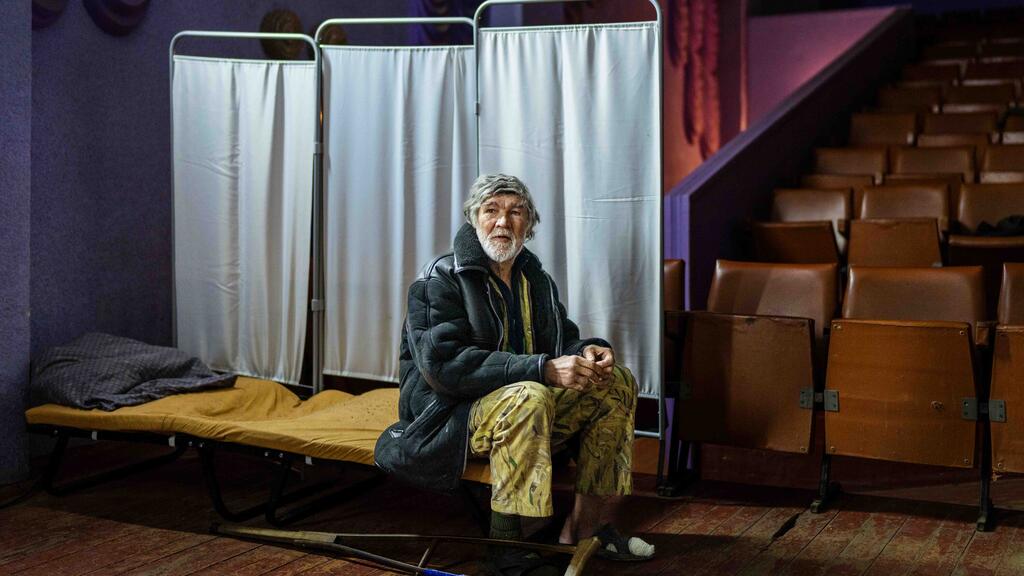
'What kind of life is this?'
Extended power outages pose a mortal threat to Ukraine's most vulnerable citizens, including older persons, people with disabilities, and those with chronic illnesses.
The psychosocial consequences of an energy crisis are no less severe: darkness, isolation, and constant uncertainty exhaust even the most resilient.
"Is this life? It can't be called life when there's shooting every day," said 80-year-old Elena, who regularly visits the UN humanitarian hub in Kherson to receive aid.
"A year ago, I buried my son and his wife. The house is destroyed, everything is broken. What kind of life is this?"
Elena said that without humanitarian aid, many here wouldn't have survived: "The pension is small. What are we supposed to live on? My son is gone, the others have left...They even give us lunches. They give us bread, they give us medicine. God bless them for helping!"
Hopes for peace
The UN Humanitarian Coordinator in Ukraine, Matthias Schmale, travels extensively throughout the country. Given everything that is happening, the population's fatigue is noticeably growing - and this, he said, is understandable.
He has met people who admit that they're tired, but who will not give up. "Let's honour this strength," he said,
Mr. Schmale insisted that the most important thing is that this year actually brings peace and an end to the suffering of the people of Ukraine.
"We want to see that the fifth year (of war) will bring a ceasefire, and lasting peace with dignity," he said.


