
With inequality deepening and trust in public institutions under strain, the UN's main forum on social policy wrapped up its annual session on Tuesday with a renewed push to turn global commitments on social justice into action.
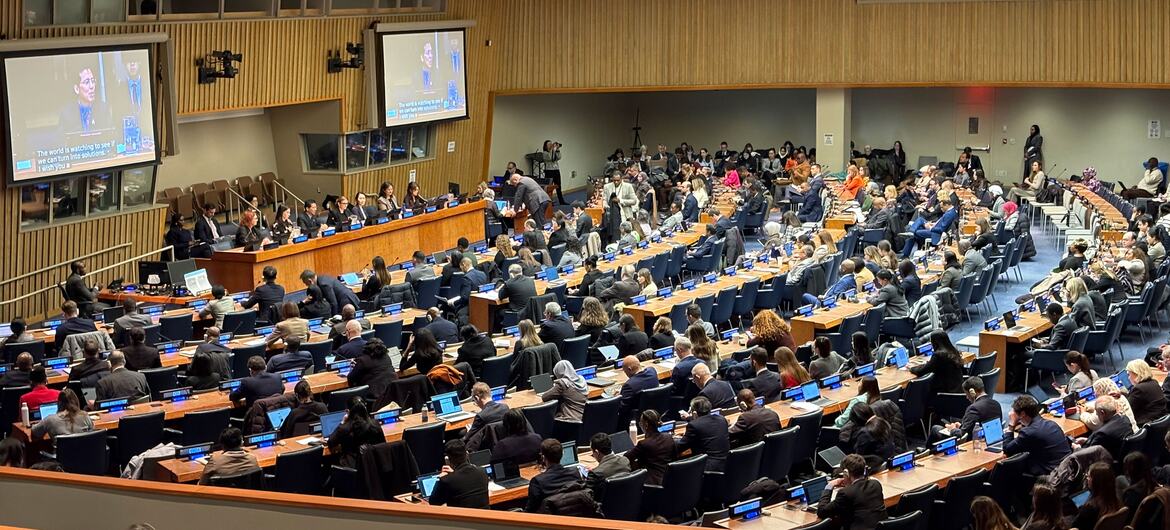
Meeting at UN Headquarters, in New York, from 2 to 10 February, the Commission for Social Development marked its first session since the Second World Summit for Social Development , held in Doha last year.
The gathering brought together ministers, senior UN officials, civil society groups and youth representatives to examine how global pledges can be translated into coordinated, inclusive and equitable policies at the national level.
Opening the session, Economic and Social Council (ECOSOC) President Lok Bahadur Thapa stressed that social development policies are where "resilience, social cohesion, and trust are ultimately tested."
He warned that widening inequalities, demographic change, and rapid digital and green transitions are placing growing strain on societies worldwide. Responding in an integrated, people-centred way, he said, is "not merely a policy choice; it is a moral imperative."
What is the Commission for Social Development?
The Commission for Social Development is an ECOSOC functional commission and the United Nations' primary intergovernmental body for social development.
Established in 1946, it has helped shape global policy frameworks on poverty eradication, employment, social protection and inclusion, including by steering follow-up to landmark agreements such as the 1995 Copenhagen Declaration and, more recently, the 2025 Doha Political Declaration .
Click here for UN News special coverage of the Doha Summit
Over the years, the Commission has driven progress on universal social protection, decent work for all, and international focus on groups at risk of exclusion, including persons with disabilities, older persons, youth and families.
Its conclusions have informed national policies, helped develop social protection floors, and reinforced links between social development and the Sustainable Development Goals .
The Commission meets annually at UN Headquarters, in New York, generally in February.


