
Key takeaways:
- Older adults face a higher risk of delirium, confusion and decline during hospitalization.
- CoCare: HELP volunteers provide conversation, companionship and cognitive engagement.
- UC Davis Health is the first Sacramento-area health system to implement the program.
- Patients report that HELP visits provide emotional support, connection and encouragement during recovery.
(SACRAMENTO)
A hospital stay can be confusing for older adults.
Days and nights blur together. Sleep is interrupted. Pain, illness and medication can make it harder to think clearly. Some patients develop delirium, a sudden state of confusion that can slow recovery and have lasting effects.
At UC Davis Health, specially trained volunteers are helping older patients navigate the challenges of hospitalization. They visit patients, engage them in meaningful conversation and help them stay connected to the people and world around them. The volunteers are part of CoCare: HELP, an evidence-based program from the American Geriatric Society. The program is designed to prevent delirium and the physical and mental decline that can occur during a hospital stay.
UC Davis Health is the first health system in the Sacramento region to offer the program, formerly known as the Hospital Elder Life Program. Volunteers began visiting patients in April on the orthopaedic and trauma unit at UC Davis Medical Center.
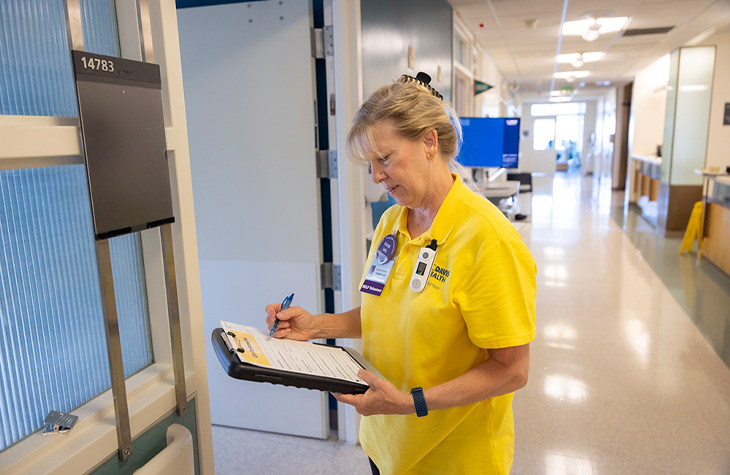
Jan Noort volunteers every Monday. She spends quality time with patients — reminds them of date, asks about their lives, plays music or simply sits and listens."When I visit with patients, we have a conversation. They are much more alert, engaged and smiling," said Noort, a retired nurse practitioner. "The vast majority say they would enjoy another visit."
Patient feedback reinforces that sentiment. In surveys, patients frequently describe the visits as comforting, uplifting and a welcome break from the stress of hospitalization. One patient rated the experience "excellent" and said the program should be recommended to others. Another summed up the impact in a simple comment: "Appreciated the smiles of volunteers."
Assistant Nurse Manager Sushmil Datt has seen similar responses. He recalled an older patient who was withdrawn and reluctant to participate in care. After spending time with a HELP volunteer, the patient smiled more often and was more willing to participate in physical therapy.
"Patients who are anxious, lonely or frequently seeking staff attention become calmer and more engaged when a volunteer provides companionship and conversation," Datt explained.
Personal attention with a purpose
Although the visits feel informal, they are built around proven strategies to reduce delirium risk.
Want to get involved? If you are interested in becoming a HELP volunteer, contact Volunteer Services by calling 916-734-2401.
Volunteers help patients stay oriented to time and place, keep their minds active and maintain a normal day-and-night routine. They may open the blinds in the morning, discuss current events, offer activities or help patients settle in for the night.
Nearly 4 in 10 (38%) of older patients who experienced delirium died during roughly two years of follow-up, according to research, compared with 27.5% of patients without delirium. A more recent analysis found hospital delirium was also associated with 70% higher odds of readmission after discharge. HELP is designed to prevent delirium during hospitalization.
The program provides what busy clinical teams often cannot, said Rebecca Boxer, chief of the Division of Geriatrics, Hospice and Palliative Medicine.
"The nurses know the person is vulnerable. They know hospitalization is tough, but they don't have the time to sit with them and talk," Boxer said.
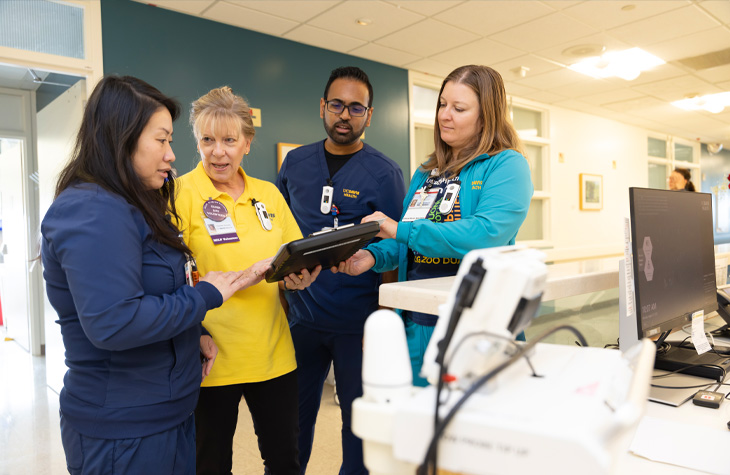
Volunteers start their shifts by checking with the patient's nurse and reviewing a "Get to Know Me" form. The list includes details such as the patient's family, hobbies, career, pets and other personal information.
Those conversations can lead to a favorite song, a therapy dog visit, an art activity or a meaningful discussion about the patient's life.
"People are just so lonely in the hospital," said Olga Sukhenko, a geriatric clinical nurse specialist who helped launch the program. "With the volunteers, they're able to completely disconnect from that and talk about something else entirely. That's what makes it really therapeutic."
Sukhenko recalled how a long-stay patient improved his mood during volunteer visits. The patient, she said, became more willing to eat, take medication and participate in care.
Building a promising model
HELP programs have shown promising results. A 2024 analysis found they reduced delirium and shortened hospital stays. UC Davis Health's program is still in the pilot phase, so it's too early to measure changes in delirium rates, length of stay or readmissions.
Since April, volunteers have reached more than 200 patients. Nearly three-quarters of patients accepted a visit offer and about two-thirds of visits lasted longer than 15 minutes, the program's measure of a successful visit.
The dedicated one-on-one attention also benefits nurses and family members who can't always be at the bedside.
"Nurses have to balance multiple tasks and roles in a 12-hour shift, which can limit the amount of time we can simply sit with a patient and talk," Datt said. "One of the greatest things a HELP volunteer can provide is uninterrupted companionship."
Nine volunteers have already completed the first round of training. Program leaders hope to recruit more and expand the program to additional hospital units.
"This is a program that goes above and beyond medical care," Noort said. "It addresses so much more of what is important to the well-being of patients."
As the program expands, UC Davis Health seeks volunteers who are passionate about guiding older patients on the path to recovery. Volunteers receive specialized training and commit to a weekly four-hour shift, providing the companionship and personal attention that can make a meaningful difference during a hospital stay.


