
Wageningen University & Research officially opened CIBIA, a new research and innovation facility designed to accelerate the development, testing and scale-up of food innovations. The facility brings together technology development, product development and consumer evaluation. It supports companies, startups, research organisations, civil society organisations and governments in developing innovative solutions for a sustainable and healthy food system.
"Innovations for the food systems of the future require more than good ideas and scientific knowledge," says Rianne Ruijschop, Research Manager Food Technology at WUR. "The key is to translate knowledge into applications that can make a real difference. At CIBIA, we bring together the full innovation chain, from raw materials and technology development to product development, consumer acceptance and societal impact. This helps innovations move more quickly from research into practice."
"At CIBIA, we bring together the full innovation chain."
- Rianne Ruijschop
- Research Manager Food Technology
From ingredient to consumer
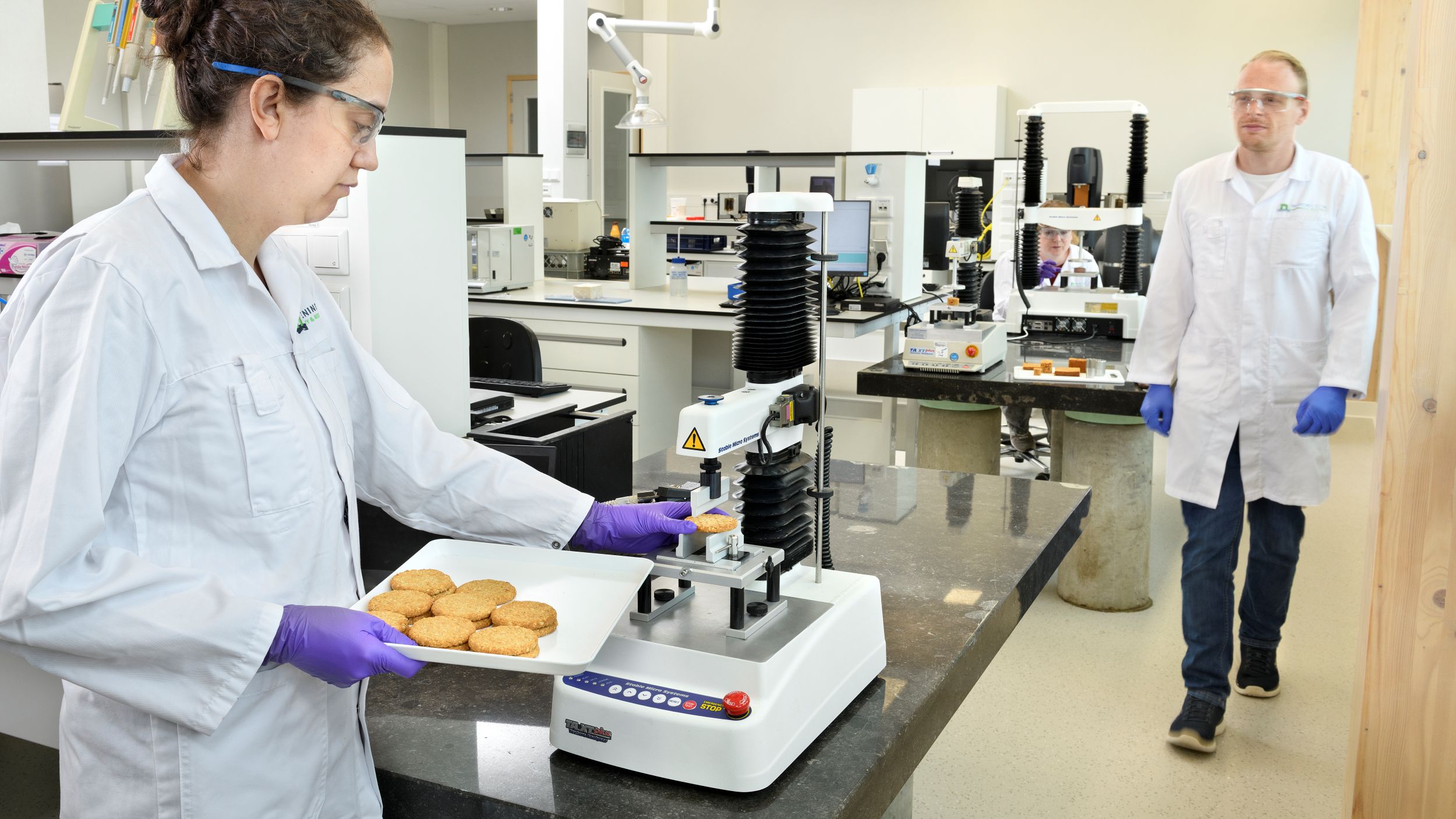
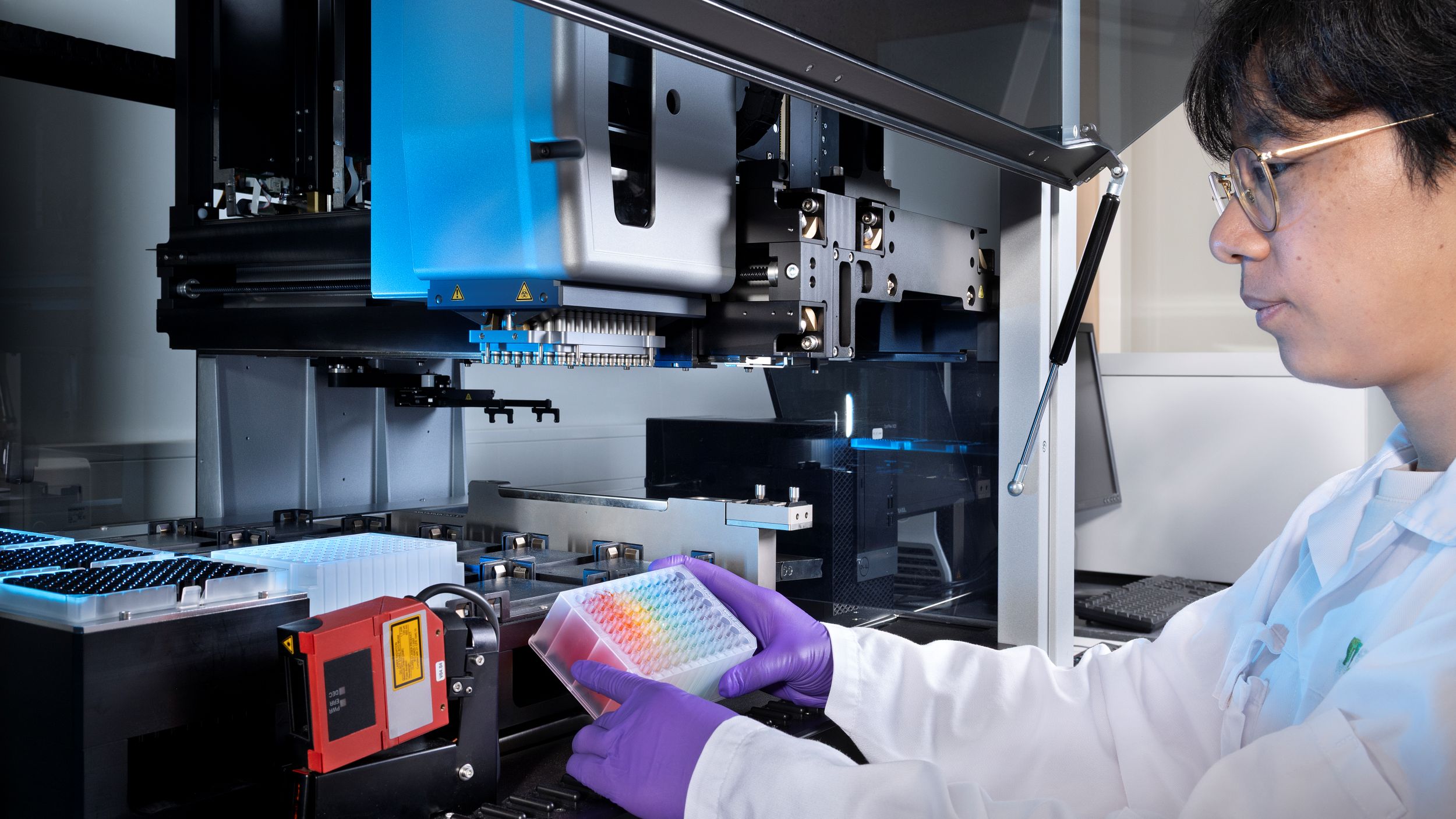
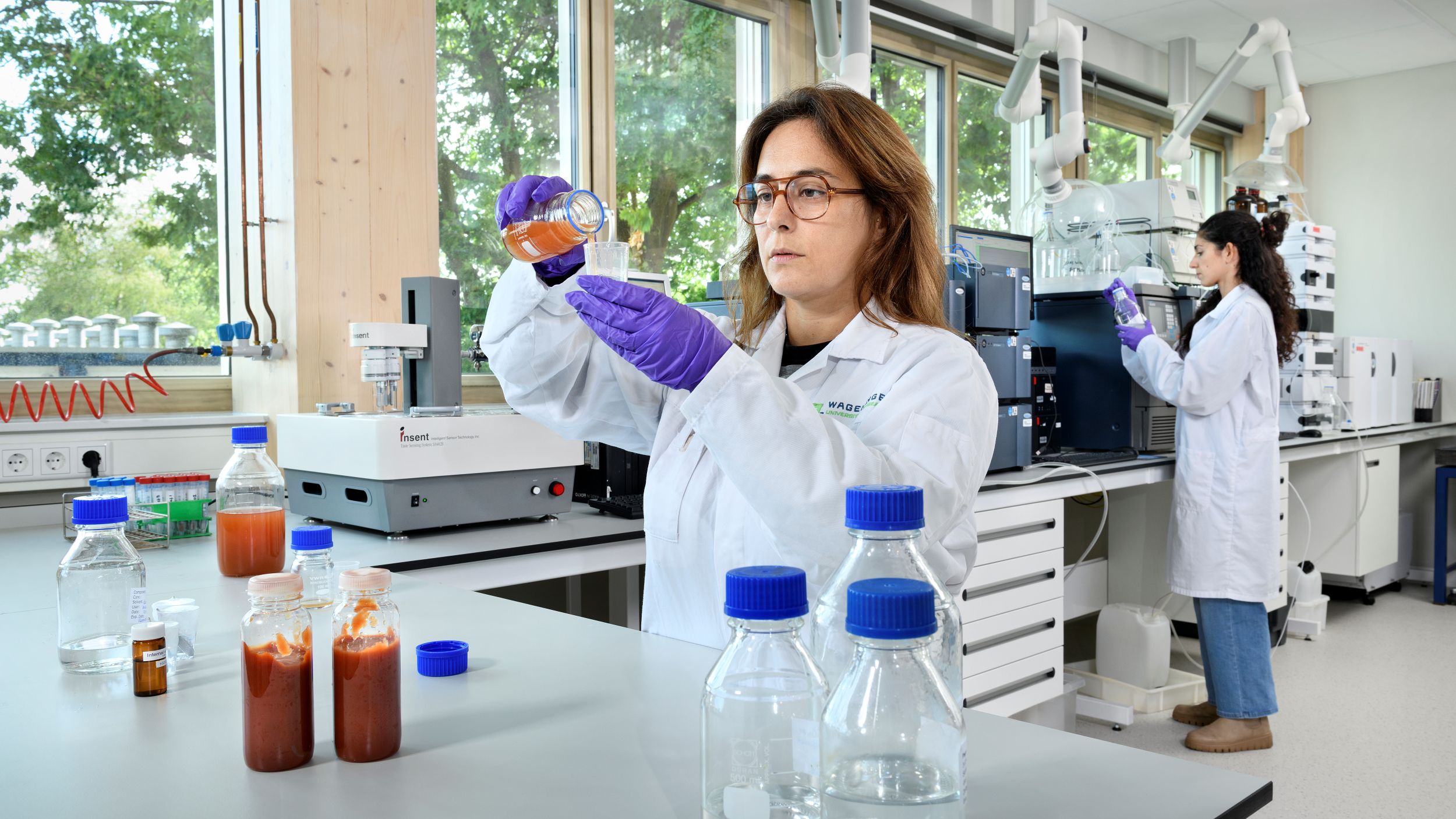
CIBIA enables prototype products to be assessed across a range of physical, chemical, microbiological, sensory, nutritional and health-related properties. The data collected are combined in digital models and digital twins, supported by artificial intelligence. This allows innovations to be optimised more quickly and effectively, while scenarios can be explored for factors such as energy and water use, salt and sugar reduction, and product quality.
The consumer is also central to CIBIA's approach to technological innovation. Sensory and consumer research provides insight into product acceptance, food choices and the introduction of healthier and more sustainable food products. By involving consumers from an early stage in the innovation process, the aim is to increase the likelihood that new products will successfully reach the market and become part of consumers' everyday diets.
Food innovations developed at CIBIA include solutions aimed at reducing energy and water use, making better use of raw materials, reducing food waste, developing new protein sources and creating more sustainable packaging solutions.
A shared facility for collaboration
CIBIA has been developed as an open research environment which stimulates collaboration. Its development was made possible through financial support from the Ministry of Agriculture, Fisheries, Food Security and Nature (LVVN) and the Ministry of Economic Affairs and Climate Policy (EZK) with the Facilities for Applied Research (FTO) scheme.
The facility brings together researchers from both the university and its research institutes together with companies, startups, civil society organisations, governments and other research organisations. Partners can access the facilities through research projects, collaborative programmes and shared-use arrangements. In this way, CIBIA responds to the growing need for accessible research facilities to support innovative food concepts.
"CIBIA is a valuable addition to the Netherlands' research infrastructure," says Sjoukje Heimovaara, President of the Executive Board of Wageningen University & Research. "The facility strengthens the connection between science, business and society and helps translate knowledge into innovations that contribute to societal challenges."
"CIBIA helps translate knowledge into innovations that contribute to societal challenges."
- Sjoukje Heimovaara
- President of the Executive Board of WUR
Designed with sustainability in mind
Sustainability was a central consideration in the design and construction of CIBIA. The building was designed to minimise its environmental impact while making maximum use of sustainable materials.
A large part of the load-bearing structure is made of timber, significantly reducing CO₂ emissions compared with conventional construction methods. The façade is also largely made of timber, including durable façade elements designed for a long service life and limited maintenance. Concrete has been used only where technically or economically necessary, for example in parts of the flooring.
Contributing to healthier, sustainable and future-proof food systems
The major challenges around health, sustainability and food security require collaboration across disciplines. With its official opening on 29 September 2026, CIBIA provides an environment for researchers, entrepreneurs and societal partners to work together on solutions that can make a tangible contribution in the Netherlands and beyond.


