

Flinders University researchers have identified opportunities to strengthen Legionella risk management across Australia by introducing uniform best practice across all states and territories.
Published in BMC Public Health, the study is the first comprehensive comparison of Legionella-related legislation, regulations, codes of practice and policy frameworks across Australia, with New Zealand included as an international comparison.

The experts in environmental health argue that greater national coordination could support more consistent Legionella prevention strategies across Australia - with no single state or territory better than the other.
"Some jurisdictions were found to apply more structured and comprehensive regulatory frameworks, including detailed risk management requirements, routine monitoring programs and clear notification processes," says lead author, PhD candidate Crystal Kennett.
"Other jurisdictions adopt alternative approaches, often incorporating guidance documents, localised registers or risk informed approaches."
Inconsistencies in the management of recognised Legionella risk factors included thermostatic mixing valves, stagnant pipework ("dead legs") and other aerosol-generating water systems.
Legionella is the bacterium that causes Legionnaires' disease, a potentially serious form of pneumonia. People can become infected by breathing in tiny water droplets (aerosols) containing the bacteria from sources such as cooling towers, building water systems, spas, decorative fountains and other engineered water systems.
Symptoms of Legionnaires' disease can include fever, chills, cough, shortness of breath, muscle aches, headaches and fatigue. In severe cases, the infection can lead to pneumonia that requires hospitalisation and can be life-threatening, particularly for older adults, smokers and people with weakened immune systems.
The research examined legislative and policy frameworks governing Legionella control in cooling towers, warm water systems and other engineered water systems. Differences in approaches to system registration, risk assessment, and microbiological monitoring were evaluated.
"All jurisdictions are working to manage Legionella risks, but the tools and methods used vary in scope and application," says Ms Kennett.
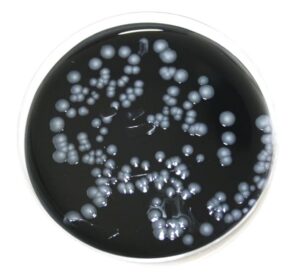
While Australia has a "strong foundation" for Legionella management, she says regulatory variations were identified in cooling tower registration requirements, risk assessment processes, monitoring frequencies, notification thresholds and the actions required when Legionella was detected.
The review examined New Zealand's framework, which integrates public health guidance, building controls and workplace safety requirements within a coordinated national system.
Senior author Professor Harriet Whiley says: "This model demonstrates the value of alignment across regulatory domains while still allowing flexibility in implementation."
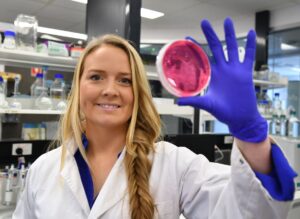
"Legionnaires' disease remains a serious infection with potentially severe consequences, particularly for vulnerable populations," says Professor Whiley.
"Understanding where regulatory gaps and inconsistencies exist is an important first step in ensuring that prevention measures are evidence based, proportionate and effective."
The authors, including Professor in Environmental Health Kirstin Ross, say future research should evaluate whether differences in regulatory approaches influence Legionella risk management outcomes and disease prevention.
The research - 'Regulatory frameworks for Legionella control in Australia: a scoping review of public health legislation and policy with New Zealand comparison' (2026) by Crystal EW Kennett, Kirstin Ross and Harriet Whiley - has been published in the BMC Public Health (Springer Nature Link) DOI: 10.1186/s12889-026-26819-1.


