

The world's biggest oil and gas corporations have just reported another quarter of staggering profits – significantly higher than the previous quarter, when earnings were already supercharged by the war on Iran. Meanwhile, filling up your car costs more, so does buying food at the supermarket, heating your home and paying for the things you need every day. A war thousands of kilometres away can end up hitting your household budget, even if you have not changed how much fuel or energy you use. The oil and gas corporations cashing in on this volatility are not the ones struggling to make ends meet.
It doesn't have to be this way. Governments can make oil and gas corporations pay their fair share through permanently higher taxes on their profits, using the revenue to reduce dependence on fossil fuels, protect households from price shocks and help communities recover from climate disasters.
BP, Shell, TotalEnergies, ExxonMobil, Chevron, Eni and Equinor reported combined third-quarter profits of US$38 billion, up 140% on the same period last year. Their combined profits for the first nine months of 2026 reached US$150 billion.
These extraordinary earnings expose the injustice at the heart of fossilflation: we all pay more when global energy markets are disrupted, while the oil and gas corporations profiting from this dependence collect billions. Permanent, comprehensive taxes on their profits could help turn that imbalance around, funding a fair transition to renewable energy and helping communities recover from extreme weather.
These are not just big numbers on a balance sheet. They tell part of the story of how a crisis overseas can put money into the pockets of oil and gas corporations while taking it out of yours. Greenpeace International's new Fossilflation report shows how energy price shocks feed into the wider cost of living.
A separate Greenpeace Germany-commissioned study has found that the oil industry generated an estimated €36 billion in additional gross margins across the EU petrol and diesel supply chain between 1 March and 19 October 2026. That's more than €154 million a day.
How does a war thousands of kilometres away make your bills go up?
Fossilflation is what happens when dependence on fossil fuels allows a crisis to drive up the cost of living. The war on Iran has disrupted global fuel supplies and sent oil and gas prices soaring. Because oil and gas are traded on international markets, a conflict can push up the prices people pay far beyond the countries directly involved. Households and businesses have little control over those markets, but they still end up paying the bill.
The effects extend well beyond the petrol station. Diesel powers much of the world's transport, agriculture and freight, while gas is a key input for fertiliser production. When the cost of fuel rises, it costs more to grow, process and transport food. Those extra costs can eventually show up in the price you pay at the supermarket.
While governments cannot control every international price shock, they can reduce how exposed people are to the next one.
The effects can be seen in corporate earnings, too. When oil prices rise, producers can earn more from selling their output. Refiners and fuel distributors can also benefit when the margins between crude oil prices and the prices charged for petrol and diesel widen. Greenpeace Germany's recent analysis of the EU fuel market found that petrol and diesel prices had risen faster than crude oil prices since the war began, creating additional margins for the industry.
Families cannot simply stop buying food or getting to work when prices rise. And while governments cannot control every international price shock, they can reduce how exposed people are to the next one. Expanding access to rooftop solar, community energy, battery storage and electrified transport can help households rely less on volatile fossil fuel markets. Permanent taxes on oil and gas profits can help pay for that transition, while ensuring that corporations benefiting from the system contribute more to the solutions.
Why aren't temporary windfall taxes enough?
After Russia's 2022 invasion of Ukraine, soaring energy prices delivered a windfall to fossil fuel corporations. Governments introduced temporary taxes on some exceptional earnings, but these measures did not deliver all the revenue expected. Profit shifting and loopholes helped multinational corporations avoid the tax.
The problem with a temporary windfall tax is that it treats extraordinary profits as an exception, even though fossil fuel price shocks keep returning. Greenpeace is calling for permanently higher taxes on oil and gas profits, applying a higher rate comprehensively rather than waiting for a crisis to justify a temporary levy. That would mean the industry contributes more in every quarter, not just when prices spike and public anger grows.
These taxes must be backed by binding international rules to stop corporations shifting profits into tax havens. Research by the International Tax Observatory has found that extractive multinationals declare a disproportionate share of additional profits in low-tax jurisdictions during commodity booms. Without effective rules, governments risk losing revenue that could fund the transition and help communities deal with the damage caused by fossil fuel dependence.
The Global Tax Treaty negotiations offer an opportunity to establish a global polluter profits tax alongside stronger rules against profit shifting. Governments should pursue that agreement while increasing taxes at the national level. They should not wait for an international deal before making polluters pay.
Put the money where the damage is
Revenue from permanent taxes on oil and gas profits should go towards solutions that make everyday life more affordable and help communities recover from climate disasters. That means investing in clean energy, reducing household exposure to price shocks and helping people rebuild after floods, fires and heatwaves.
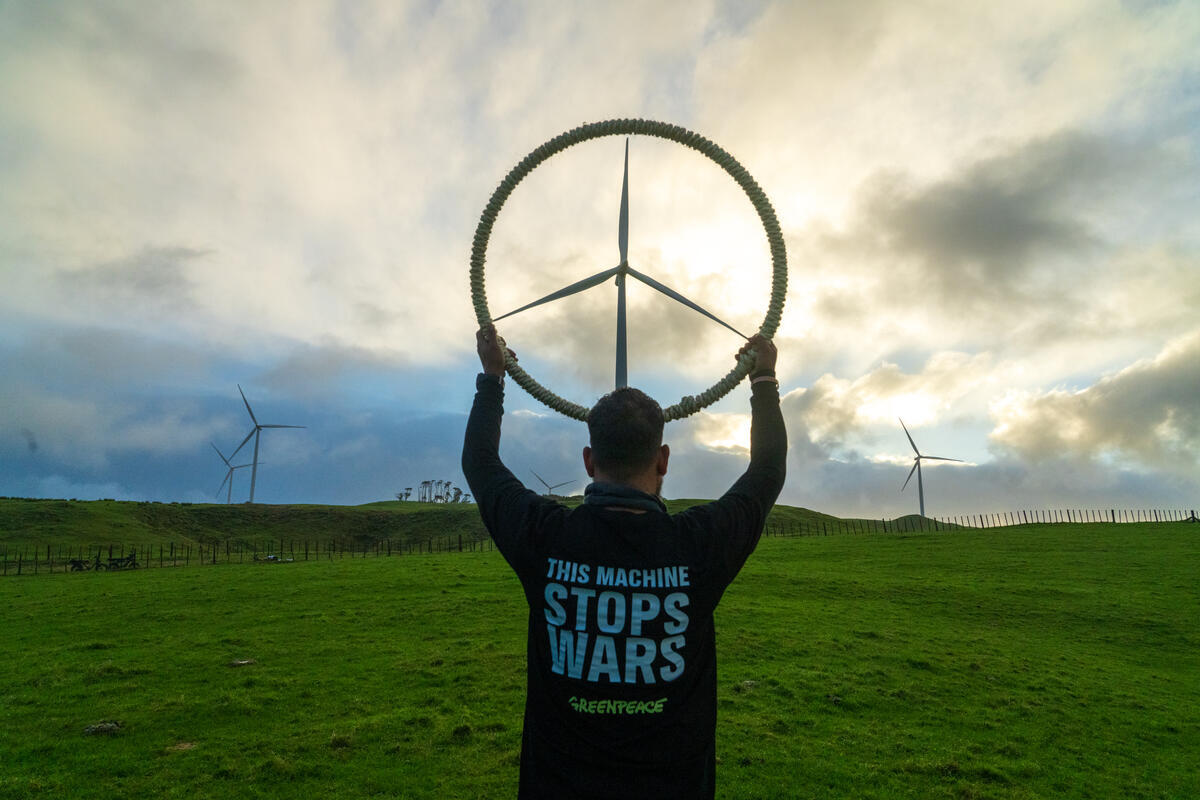
Decentralised renewable energy, including rooftop solar, community energy and battery storage, can give households and communities greater control over their energy supply. Combined with electrification and resilient energy systems, it can reduce exposure to global fossil fuel price shocks. No war can stop the wind from blowing or the sun from shining. Once renewable energy systems are built, they can help households and communities rely less on fuels traded on volatile international markets.
No war can stop the wind from blowing or the sun from shining.
The revenue should also support communities recovering from floods, fires, heatwaves and other extreme weather made more dangerous by climate change. It should help ease cost-of-living pressures and increase international climate finance for countries in the Global South, which have contributed least to climate change but face some of its most severe impacts.
The need is urgent. The UN warns that global warming is expected to exceed the 1.5°C threshold in the coming years, increasing risks to people and nature. Communities should not be left to shoulder the costs of climate disasters while the corporations driving the crisis continue to profit.
Making war profiteers pay means putting that money to work where it can make the greatest difference: reducing household energy costs, helping communities recover from climate disasters and ensuring countries with fewer resources can build a cleaner, safer energy future.
How can we break the cycle of fossilflation
The war on Iran has exposed how easily a crisis can send costs rippling through an energy system built around volatile oil and gas markets. The latest quarterly results show the enormous sums the world's biggest oil and gas corporations continue to make, while households face higher bills.
This is not an unavoidable price of modern life. Governments have practical choices available now. They can permanently increase taxes on oil and gas profits, close loopholes that allow corporations to shift profits to tax havens, and use the revenue to expand renewable energy and support communities facing climate impacts.
At COP31, leaders must turn commitments into action: end new fossil fuel expansion, establish science-based timelines to phase out coal, oil and gas, and fund a fair transition.
We do not have to wait for the next war or price shock to act. Taxing fossil fuel profits fairly and investing in renewable energy can help protect household budgets, strengthen energy security and make communities more resilient. The solutions are within reach. Governments must choose to deliver them.
Martin Zavan is a freelance communications strategist at Greenpeace International, based in Sydney.


