
Key points
- Graphite is an essential component of modern rechargeable lithium-ion batteries used in many technologies, from mobile phones to renewable energy storage.
- Listed as a critical mineral for Australia, global graphite demand is growing fast.
- Australia has a unique opportunity to grow a domestic graphite industry and create a reliable supply chain solution.
Most of us first meet graphite in primary school, when we learn it's the 'lead' inside our pencils. But this soft, silvery mineral, made entirely of carbon, has become one of the most strategically important materials on Earth.
Graphite is used everywhere. It's hiding in our phones, laptops and electric vehicles (EVs). It's in the brakes of our cars, the lubricants in machinery, fire retardant materials and inks. Crucially, it is a vital part of the rechargeable batteries that power the tech we rely on every day.
As the world races toward cleaner energy and electric transport, demand for high-quality graphite is skyrocketing. And Australia has a unique opportunity to help meet that demand.
From rock to road: how graphite is powering the EV revolution
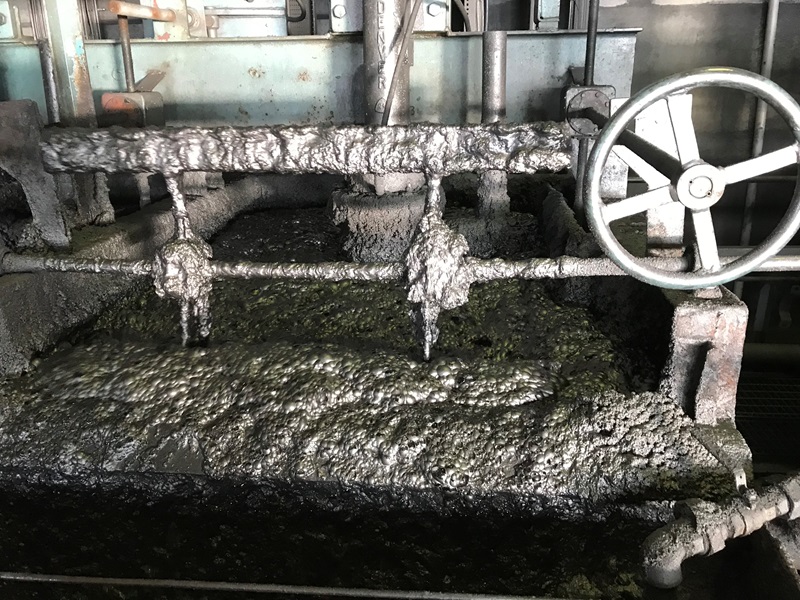
Graphite is officially listed as one of Australia's critical minerals . Critical minerals are materials essential for modern technologies whose supply chains are at risk. Graphite earns this title for one crucial reason: it's the primary anode material in lithium-ion batteries.
Without batteries, there is no clean energy transition. And without graphite, there are no lithium-ion rechargeable batteries, including in EVs and renewable energy storage systems. But turning graphite rock into a high-purity battery-ready material isn't easy.
The process involves:
- mining the ore
- concentrating the graphite
- shaping and sizing (called spheronisation)
- purifying to ultrahigh levels
- coating with carbon.
Only then is it ready for use in a battery anode.
Australia currently doesn't process much graphite to battery grade – and that's both a challenge and a massive opportunity.
Lots of graphite, little processing
Australia holds significant natural graphite resources, ranking fifth in the world . But mining and refining it into battery grade material here is limited.
Right now, China processes about 95 per cent of the world's battery anode materials. That concentration in a single country creates global supply chain risks.
For Australia, this brings opportunities to build a new domestic graphite industry and to process high-value materials here and not overseas. Australia could become a trusted supplier for global battery and EV manufacturers.
A homegrown supply chain, with strong sustainability standards, could deliver jobs, economic growth and a secure source of battery materials for decades.
A one-stop shop for graphite innovation
To help unlock this opportunity, the Australian Government has funded CSIRO to explore early-stage graphite technologies. The work focuses on:
- characterising graphitic materials from natural or synthetic sources as a battery material
- spheronising and purifying graphitic materials to battery grade (99.95+ per cent TGC) and electrochemical testing
- recovering graphite from end-of-life batteries.
CSIRO is one of the few research organisations worldwide with expertise across the entire graphite value chain, from fundamental science all the way to pilot-scale processing.
In practical terms, this means there's help for industry to move from idea to impact more smoothly, quickly and sustainably.
A recent CSIRO report outlines a pathway to unlock Australia's graphite potential to take advantage of opportunities in the global battery market.
Purifying graphite without toxic chemicals
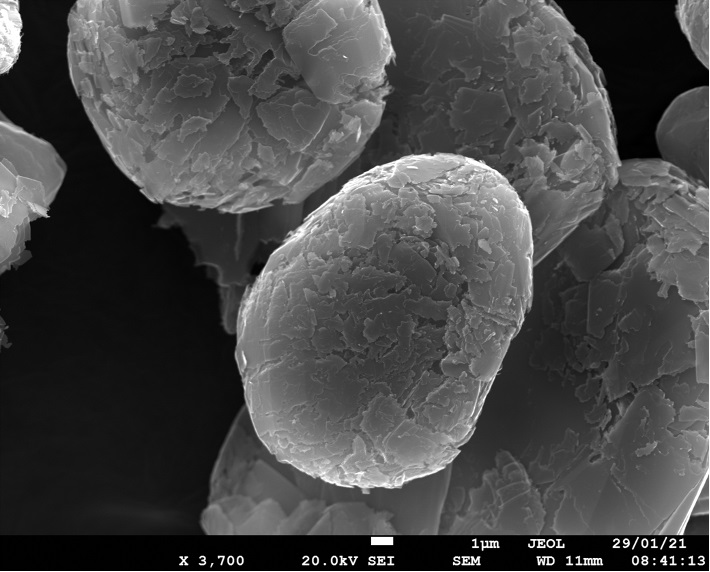
To be used in batteries, graphite must reach astonishing levels of purity – 99.95 per cent or higher. That's far beyond the 95 per cent purity needed for pencils or lubricants.
Historically, this ultra-high purity has only been achieved using hydrofluoric acid, a toxic chemical that poses major environmental and health risks.
Because large-scale use of this acid is banned in many countries, companies are now looking for cleaner, safer alternatives.
CSIRO's work includes developing new purification technologies that avoid harmful chemicals, reduce the environmental footprint and enable local, value-added graphite processing.
This research could help Australia become a world leader in sustainable battery materials.
Why it matters now
Global demand for battery-grade graphite is projected to grow substantially. With over 80 per cent of future battery demand expected from EVs alone, there's a lot of pressure on global supply chains.
Meanwhile, battery manufacturers are weighing the use of natural versus synthetic graphite. Synthetic graphite can be engineered to precise specifications and has become cheaper to produce, especially in China. But natural graphite remains cost-effective, energy-efficient and increasingly attractive – if it can be processed cleanly.
Australia's combination of rich natural resources, strong environmental performance standards and world-class research puts us in a powerful position to contribute solutions.
Advancing battery innovation through graphite R&D funding
The CSIRO Graphite Research and Development Grant opportunity gives Australian small to medium enterprises funding and access to CSIRO experts on collaborative R&D projects.
These projects will focus on developing innovative technologies and processes essential for natural and synthetic graphite production, particularly for battery applications.
Pencil lead might be where we first meet graphite, but in reality, this mineral is writing the next chapter of the clean energy story.


