
Last week I woke up to a hazy, orange sky, a red sun, and the smell of burning wood drifting through the Montreal city air.
Smell is one of our strongest ties to memory.[1] As someone who has spent years camping with friends, I have always associated the scent of burning wood with warmth, laughter by the fire, and a deep connection to nature.
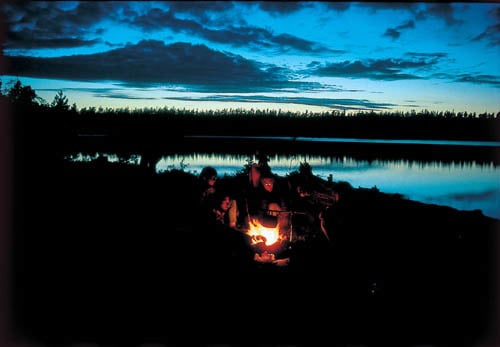
This time, the smell made my stomach sink.
That scent did not come from a nearby campfire. It was millions of hectares of boreal forest burning across the continent. My throat tightened as I thought of the thousands of people, especially Indigenous communities, forced to evacuate while their homes burned to the ground.
Smoke Knows No Borders
We are actually witnessing a global ecological shift. Canada's devastating 2023-24 wildfire seasons saw 20.4 million hectares burn down. These were not isolated events. We're seeing forests burn around the world, from Australia's bushfires and Mediterranean blazes to the burning Amazon; climate-driven fire seasons are increasingly common occurrences.
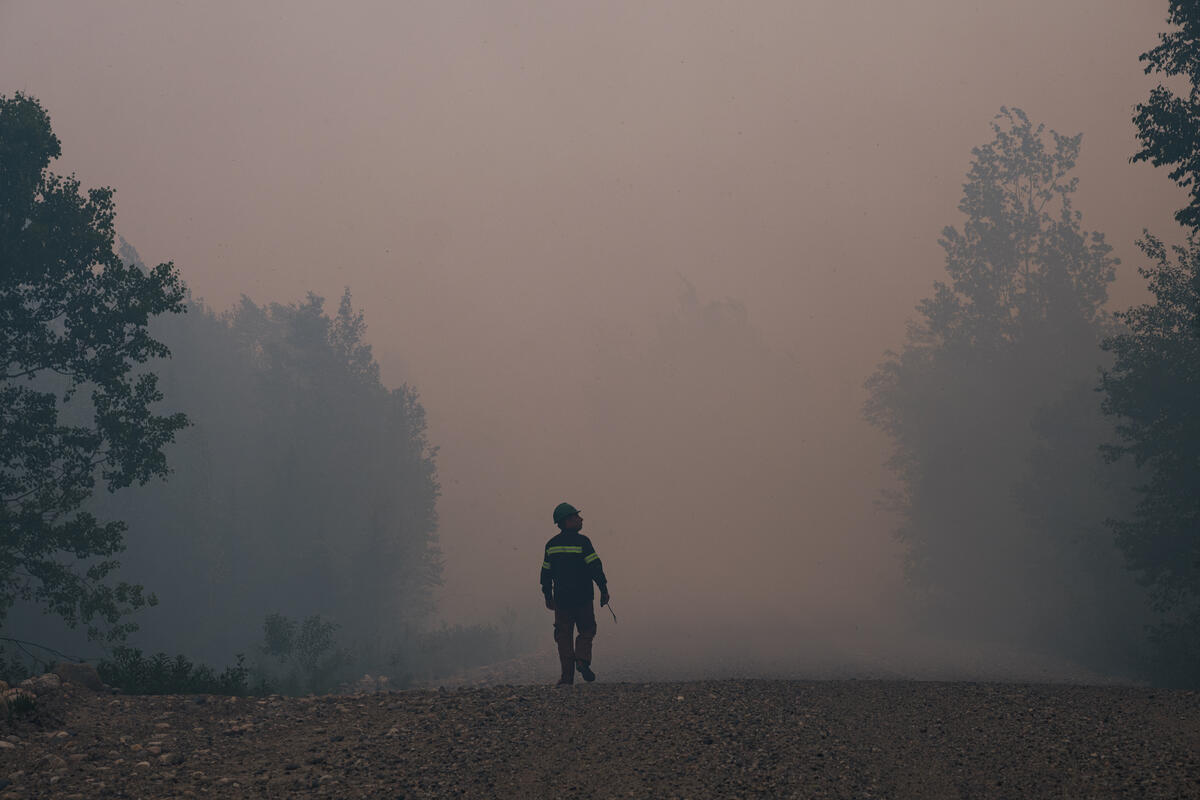
Climate change and wildfire smoke do not respect geopolitical borders. In 2023, haze from Canadian fires crossed the Atlantic and caused air quality alerts in western Europe. Pollution anywhere speeds up climate disruption everywhere. If we treat ecological collapse as just a local problem, we miss how interconnected the climate crisis really is.
And right about now, the images of wildfires surging from across the world create a real sense of global emergency. Do you feel this, too?
Health Risks of Wildfire Smoke Exposure
We can't keep seeing wildfire smoke as just a seasonal problem. The fine particles found in wildfire haze carry toxic chemicals, heavy metals, and black carbon that go deep into our bloodstream.
Recent research confirms that breathing in wildfire smoke raises the risk of heart disease, stroke, and lung problems for months after the smoke is gone. The UN Environment Programme (UNEP) also warns that extreme fires could increase by up to 50% worldwide by the end of the century if emissions are not reduced.
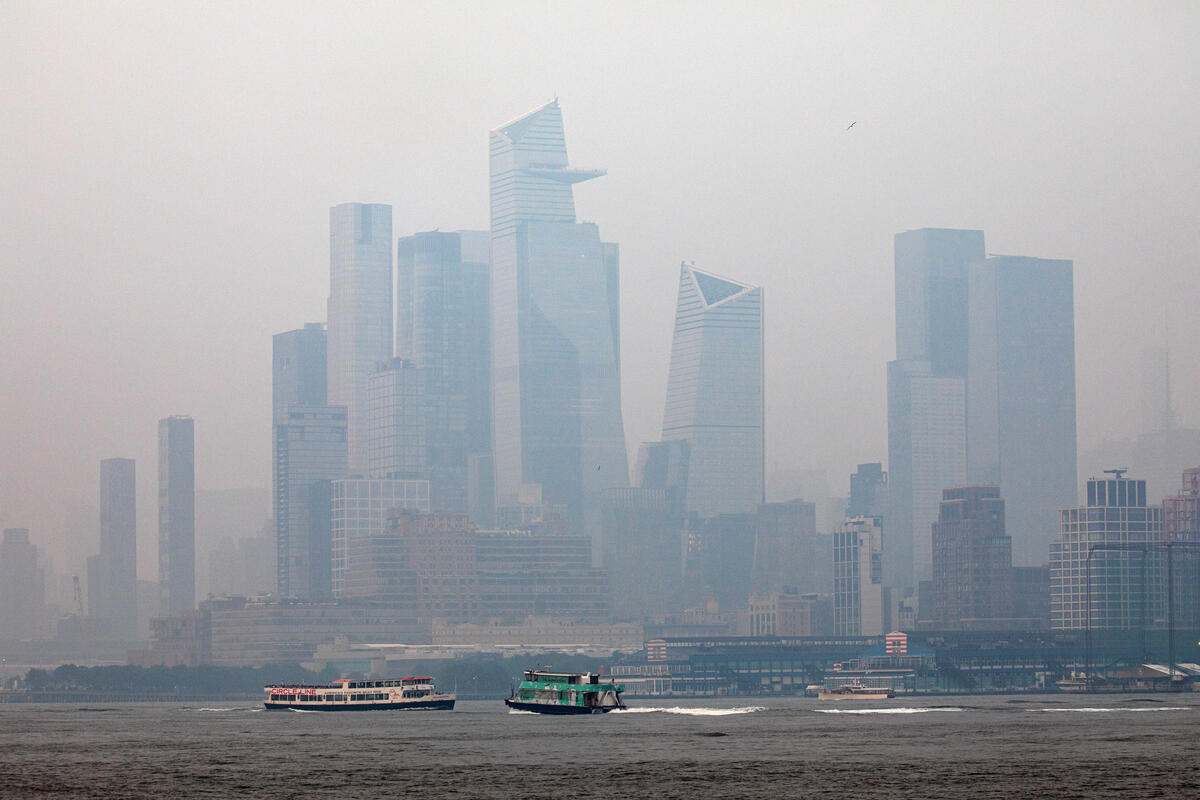
We must urge our leaders to consider this: What is the point of short-term economic growth or rising stock markets if the simple act of breathing outside becomes dangerous for our health?
Need for Political Courage and Systemic Change
One of the most frustrating aspects of this dire situation is the gap between what politicians say and what they actually do.
Governments may issue air quality warnings and talk about climate targets, but many still use public money to support fossil fuel projects and support industrial practices that worsen global warming. For example, in Canada, billions of tax dollars are set to fund fossil fuel projects, even as the country falls behind on its emissions targets.
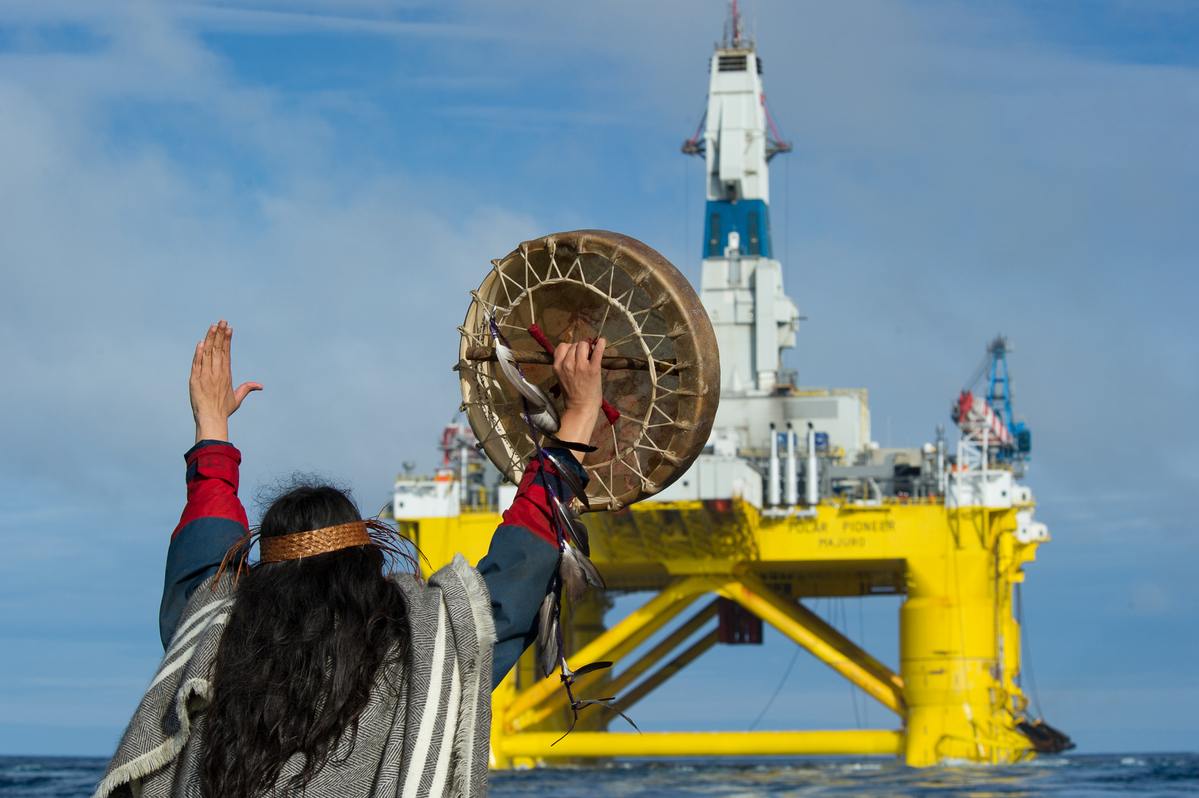
Calling fossil fuel expansion short-sighted during a climate crisis is an understatement. While oil company CEOs rake in excess profits, frontline communities and families pay the real price through health problems, food insecurity and higher living costs.
Forest Management & Indigenous Fire Stewardship
For over a century, industry-led forest management has focused on putting out all fires, clear-cut logging and planting monoculture tree plantations. Unfortunately, this has led to dense, uniform forests, turning them into giant tinderboxes during climate-exacerbated heatwaves.
To change this, we need to move from just fighting fires to caring for forests in a holistic way that respects nature and Indigenous knowledge:
For thousands of years, Indigenous Peoples in North America, Australia, and South America have practiced cultural burning, which means controlled, low-intensity fires during cooler seasons. Recent research shows that returning land and fire management to Indigenous communities helps clear dangerous undergrowth, restore biodiversity, and prevent major wildfires.
Instead of managing forests by planting fast-growing trees that benefit the timber industry, experts recommend focussing on ecological diversity. A mix of tree species, ages, other vegetation and structures in the forest makes ecosystems stronger in the long run.
Ancient forests store huge amounts of carbon and keep soil moist much better than young tree plantations. Protecting these old-growth forests is one of the most affordable and effective ways to fight climate change.
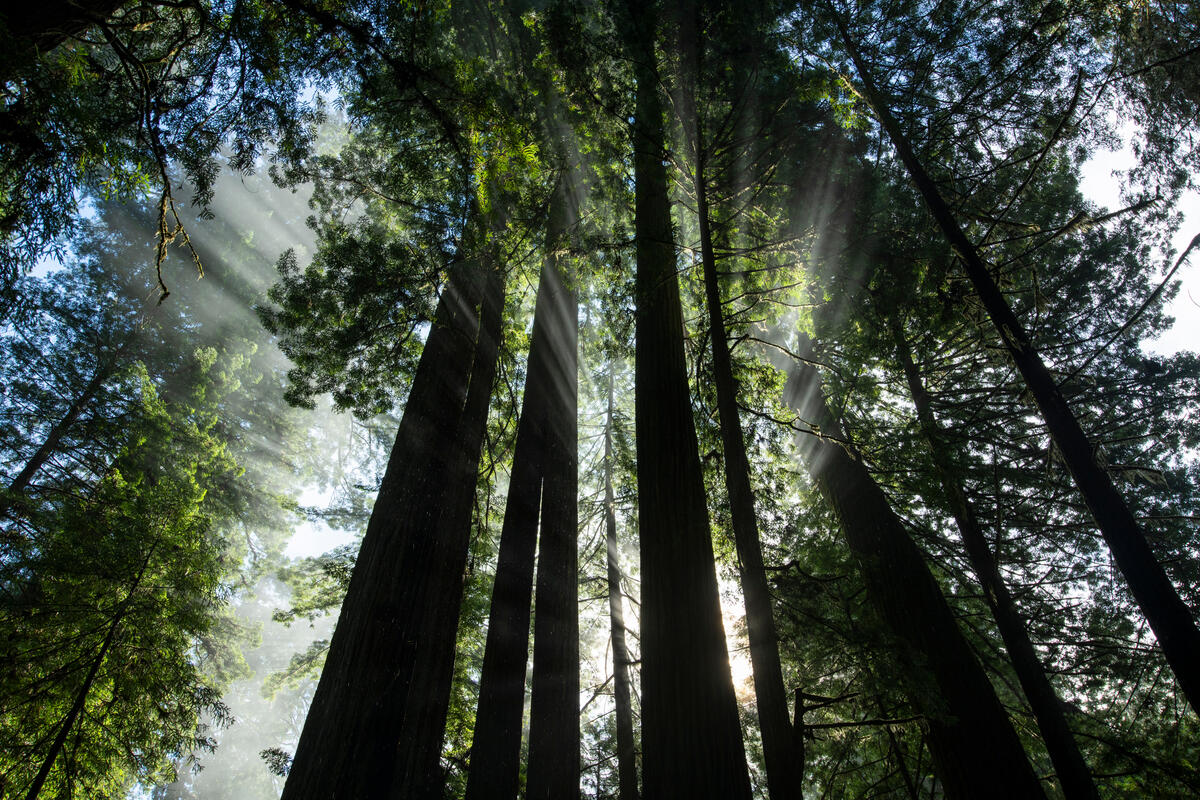
Reason for Hope: Global Climate Solutions for Wildfire Prevention
The solutions we need already exist. If we recognize how serious this crisis is, we can move forward together and achieve real change by:
- Respecting and supporting Indigenous-led solutions → For millennia, Indigenous Peoples and local communities have respected and defended nature. Their experience shows that the resiliency of forests is strongest when the local people who rely on them have the power to care for and manage their territories.
- Stopping the flow of government subsidies to fossil fuels and Making Polluters Pay → Moving government support from fossil fuels to green energy, forest restoration, and community resilience can address the real causes of climate change. And instead of making wealthy polluters wealthier, we should make them pay for the harm they cause.
- Global Climate Accountability → We need to treat the climate emergency as a real international health and security crisis. Countries must keep their promises under the Paris Agreement and work quickly to cut methane and carbon emissions. If we lower global temperatures, forests will be less likely to burn to the ground.
Taking Back Our Future
The smell of firewood should continue to remind us of nights under the stars with friends, not the loss of our homes or our future. We already have the knowledge, tools, and solutions to protect and restore forests. Now is the time to ask our leaders for a long-term vision, while we can still safely breathe the air around us.
[1] Molly McDonough (2024), The Connections Between Smell, Memory, and Health, Harvard Medicine Magazine.
Julie Amira Byrnes is Engagement Manager at Greenpeace International


