
Magical versions of today's modern-day private investigators found themselves on the wrong side of the law in one English city some four hundred years ago, according to research by a University of Southampton historian.
So called 'service magicians' would, for a cash sum, investigate lost or stolen goods - but unlike their modern day counterparts these Magnum PIs of the past had mystical powers on their side to help crack their cases.
Known as 'cunning folk', the magicians, who could be witches or wizards, went about their business largely unhindered across England. Despite dabbling in strictly outlawed magic, prosecutors largely turned a blind eye to them - but not so in Exeter.
Records show they searched for a wide variety of everyday items, missing in mysterious circumstances - objects such as jugs, spoons, coats, purses and coins.
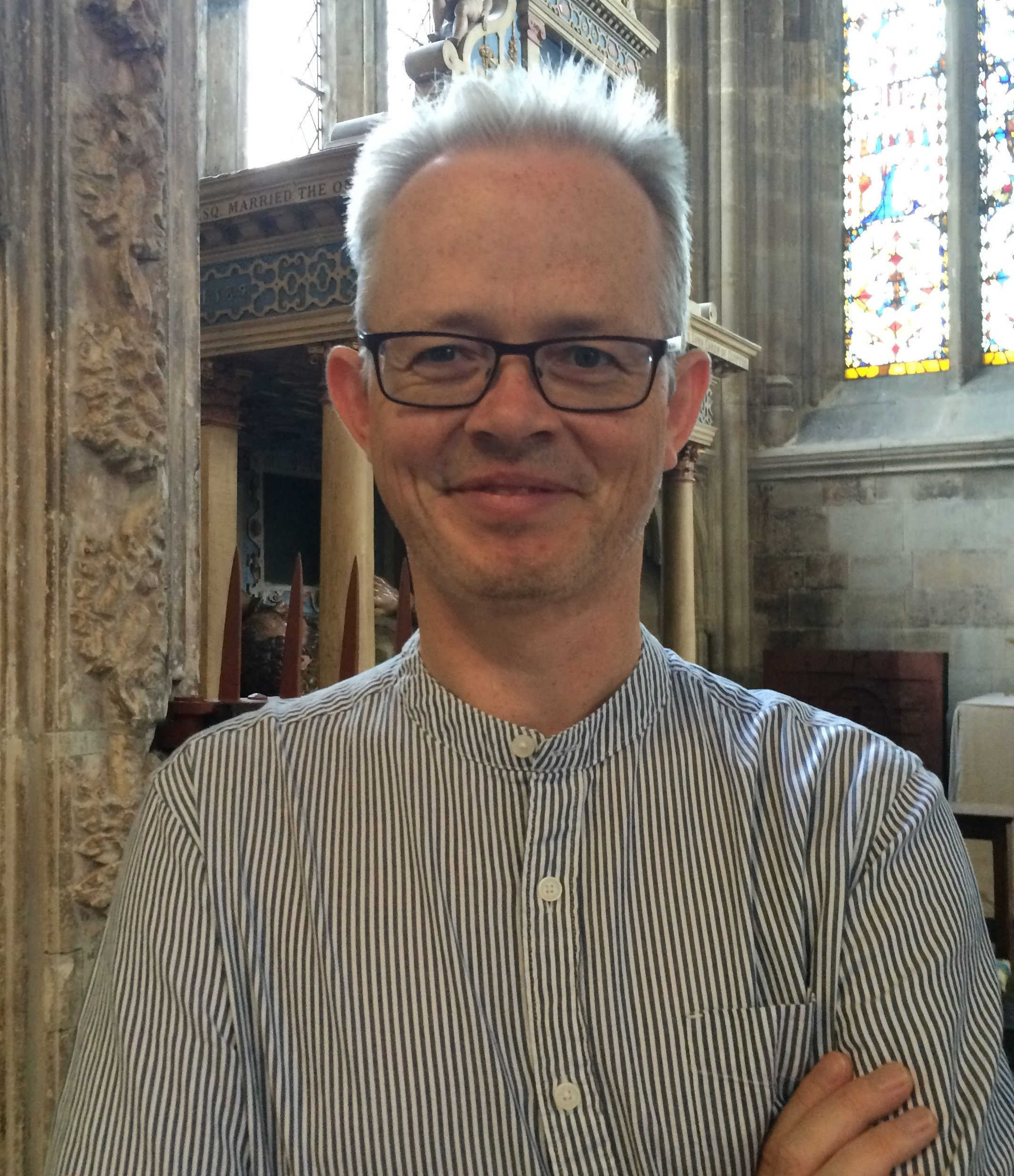
Professor Mark Stoyle , of the University of Southampton, says Exeter - a hotbed of witchcraft at the time - was far from tolerant of these investigators: "In the early 1600s the Crown and senior judges were becoming increasingly sceptical and lenient towards cases of witchcraft, and by 1630 prosecutions were generally very rare in most of England.
"In Exeter, however, this was a different story. It was the last place in England to execute people for witchcraft and local Justices of the Peace took a hard line against accused individuals, including the relatively benign service magicians."
Saved by the Crown
A particular Exeter magistrate in the early 1600s, personified this attitude; Ignatius Jurdain - a man of unbending religious zeal - notorious as the arch puritan of the west country.
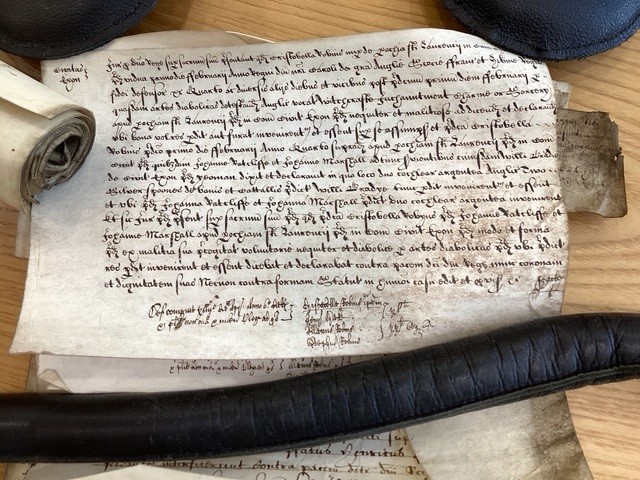
In one tale, which highlights well the clash in attitude between the Crown and Exeter, Jurdain is determined to prosecute a widow called Christabel Robyns, accused in 1629 of using witchcraft to locate some missing silver spoons and a pewter jug.
Fortunately for Robyns, the Chief Justice of the Court of the King's Bench - one of the highest legal officers in England - effectively steps in and quashes the case by referring it to a higher court, seemingly in an attempt to save her.
In scouring local court records for the latest new version of his book 'Witchcraft in Exeter (1558-1666)', Professor Stoyle has uncovered other intriguing cases.
The missing hood at the inn
In 1666, a man called John Blachett found himself in the dock for using magic to trace the whereabouts of a hood, lost at The Bull inn in the St Paul's area of the city. He told his 'client', shoemaker Peter Pitts, that it was at a neighbour's house, but when Pitts searched the property with a companion, they found nothing.
Pitts reported the case to one of the city aldermen and Blachett found himself before Exeter magistrates accused of using, 'certain devilish and hateful arts called in English Witchcraft, Inchantment, Charme and Sorcerie,' to find lost or stolen goods.
Although Blachett was indicted by members of the grand jury, the evidence against him did not convince the members of a trial jury, and so it seems he ultimately escaped unpunished.
Sorcery with a sieve and shears
One of the more bizarre cases occurred in 1642 when the wife of a weaver, Anne King, was imprisoned, accused of turning a sieve upon a pair of shears to try and find a lost purse containing 13 shillings and a sixpence.
According to records, Anne recited the names of several people whom she suspected of stealing her purse, and the sieve only turned when she spoke the name of a certain Marie Matthews, leading Anne to conclude that Matthews was the guilty party. Anne was later reported and arrested for witchcraft, but eventually bailed and, fortunately for her, likely escaped with a warning.
"The fear of witchcraft was rife in Exeter in the late 16th century and early 17th century," explains Professor Stoyle. "The city witnessed a long succession of indictments and prosecutions at this time, resulting in many unlucky women and men being banished, imprisoned or sent to the gallows.
"The plight of the service magicians underlines just how deeply rooted these feelings ran and the lengths to which some local authority figures would go to tackle witchcraft in their city."


