The holidays are here again. 'Tis the season to hang out with (or just tolerate) family and friends, share (and maybe overindulge in) tasty meals, and enjoy festivities (or stay cozy and binge your comfort show). But no matter how you celebrate, the pressure to consume can be extreme. Capitalism's overconsumption machine can make us think that we need to buy everything during the holidays, but as corporations pump out 430 million tonnes of plastic globally, plastic doesn't need to get the invite to the big holiday party this year. Dodging certain holiday offerings and embracing some new anti-consumption traditions can be small but mighty acts of resistance against capitalism.
Global plastic reduction is the best gift
Plastic is everywhere, and at this time of year it's hiding in plain sight at your holiday gatherings. Plastic packaging is the most obvious major source of waste; however, a closer look at what many decorations and gifts are made of reveals all the other ways plastic creeps into our homes. It is in clothing, bags, bedding, childrens' toys, holiday figurines, electronics, sports equipment, stuffed animals, cosmetics, kitchenware, furniture, the stir stick in your cocktail or mocktail - the list goes on.
Why does this matter? Because plastic pollutes air, water, nature and our bodies, across its entire lifecycle. And it's causing widespread and devastating harm. Plastic isn't only a waste and pollution issue, it has morphed into a grave public health concern. The more plastic the industry produces, the more we're pressured to consume, and the more pollution people and the planet are exposed to.

The season of giving doesn't have to be giving plastic disaster. We're here to share 5 ways to beat those consumption blues.
Normalize 'new-to-you' over brand new gifts.
It's never been easier to find pre-loved items in our communities. From thrift shops to antique stores, clothing swaps to flea markets, and numerous online platforms, most gift ideas you have can be found used with a bit of time and resourcefulness. Dodging big corps whenever possible isn't only satisfying, it's a win for your wallet and the planet. According to Earth Overshoot Day and its partners, by July 24th, 2025 humanity was using nature about 1.8 times faster than the Earth's ecosystems are able to regenerate, so reducing demand for new materials is part of our collective consumption reduction equation. If you look at the plastic all around you today, it is set to have more than doubled in the next 25 years. Any signal we can send to big plastic producers and consumer goods companies that plastic isn't fantastic, can help incentivize them to choose alternatives, and show governments that we support real solutions to the plastic problem.
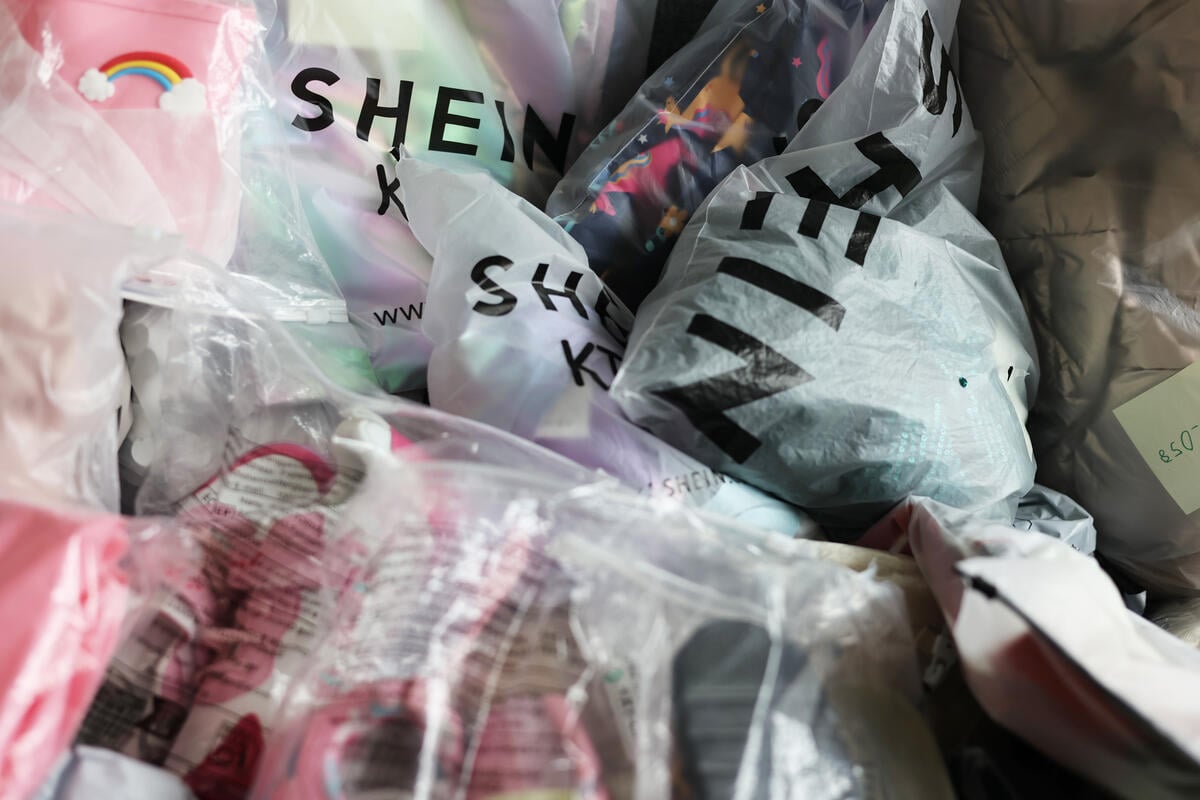
Choose your containers and cookware with care
It's a lovely time of year for meals out and coffee dates but because non-toxic, reusable containers are not yet ubiquitous, bringing your own plastic-free containers whenever possible will reduce your plastic exposure and footprint. Plastic-lined coffee cups, "bioplastic" packaging and cutlery, and even take-out containers labeled as reusable, present an opportunity for contaminating our food and our bodies with microplastics and chemicals. Various kitchenware items in our homes also contain plastic. Large plastic spatulas and spoons, sieves and strainers, cutting boards, storage containers, sippy cups, electric kettles, blenders and Teflon or coated pans all can contain or are made from plastic. Scientists have begun to uncover how using these types of items contributes to our ingestion of microplastics and exposure to potentially toxic chemicals. There's nothing festive about a charcuterie board seasoned with microplastics.
It's not easy or affordable to do a full kitchen overhaul, but you can start by doing small changes like ditching plastic cutting boards, never heating plastic, and using stainless steel or cast iron instead of coated pots and pans. When hosting, remember reusable is best - ditch the single-use plates, cups, and cutlery and just use what you have on hand. Crowd source dishware when needed, that's what friends are for.

Glitter isn't glam, your inner sparkle is enough!
Who doesn't want a little glitz at this time of year? So much of what is extra sparkly and shiny is a combination of plastic and metal, and it's nothing but a beautiful nightmare. Glitter shows up in craft supplies, gift wrap, decorations, clothing, cosmetics, kids' toys, costumes, party hats, and snow globes. Plastic glitter and sequins can easily shed into its surroundings, when clothing is being washed or crafts are being cleaned-up, it can shed down the drain, and when combined with paper or other materials, these products ruin recycling potential, sending them to landfill or incineration. And while some may claim to be biodegradable, it's really not worth the potential pollution risk.
Resist the urge to purge
Out with the old and in with the new can be a useful mantra when letting go of negative vibes or questionable habits, but when it comes to "stuff", we all need to resist the temptation to get the newer, trendier, or upgraded item. We live in an era where we're being given mixed messages about simplifying our lives and our relationship with material things. We're told to buy more, but also buy better. Wide leg jeans today, skinny jeans tomorrow. But purging in the name of decluttering isn't an act for the planet. It can also overburden donation organizations. Unless the purge is paired with a commitment to minimalist living, chances are a lot of that stuff will eventually be replaced, increasing the resource burden. Buying a bunch of new stuff can result in a bunch more plastic produced, so try to ponder before you purge and consider what might be reused, refurbished, re-manufactured, revived, refurnished, repurposed, remade, re-gifted, rotated out, rotated in, rearranged, reimagined, and/or relocated.
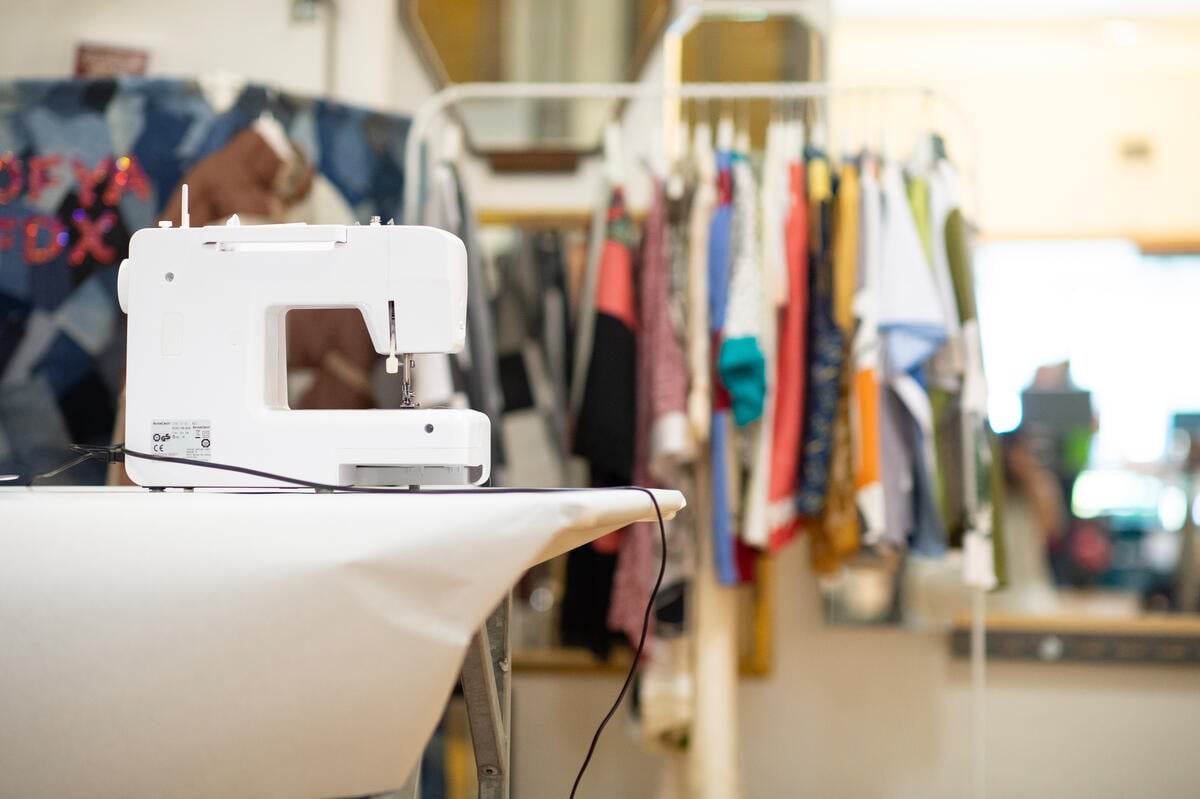
Cozy up with a petition to change the world.
Trying to dodge plastic can be exhausting. If you're feeling overwhelmed, you're not alone. We can only do so much in this broken plastic-obsessed system. Plastic producers and polluters need to be held accountable, and governments need to act faster to protect the health of people and the planet. The plastic crisis is a global problem demanding a global solution. We urgently need global governments to secure a strong UN Global Plastics Treaty that reduces global production and consumption, ends our reliance on problem plastics and chemicals, and accelerates a justice-centred transition to a reuse-based, zero waste future. Ensure your government doesn't waste this once-in-a-generation opportunity to end the age of plastic.
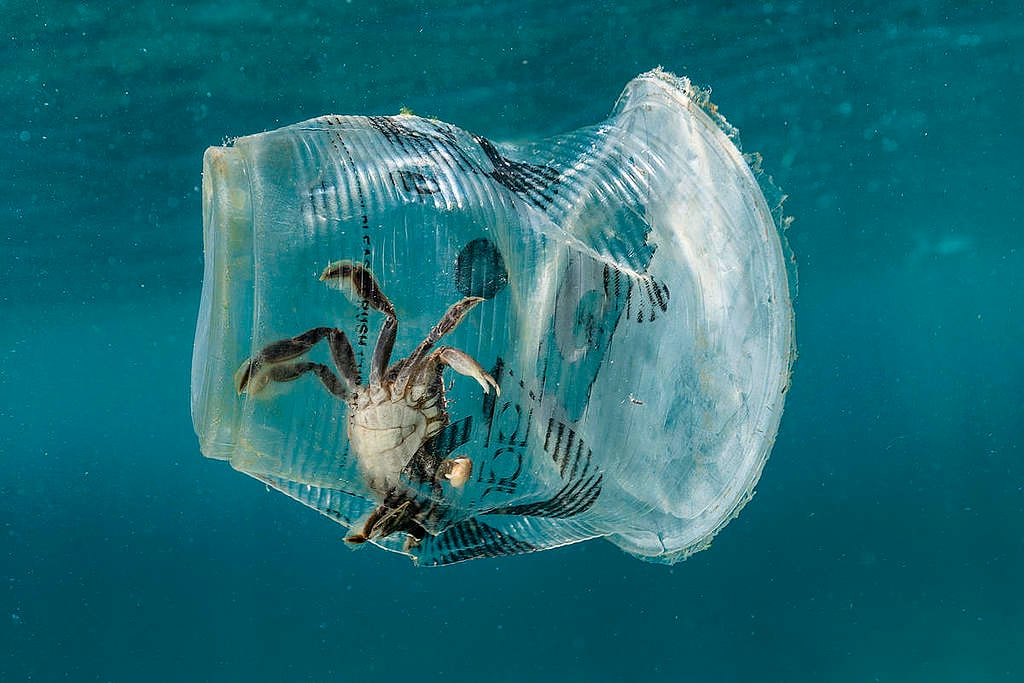
Ask world leaders to support a strong Global Plastic Treaty that addresses the whole life cycle of plastic.
Sarah King is a Senior Campaign Strategist with the Plastic Free Future campaign, based on Coast Salish Territory – Vancouver, Canada.