
PULLMAN, Wash. - As the country prepares to celebrate its 250th anniversary, two bald eagle chicks have found themselves at the center of an extraordinary rescue mission.
One was only days old. The other was still trying to hatch from its egg when an emergency nest removal near active power lines suddenly brought both birds into human care.
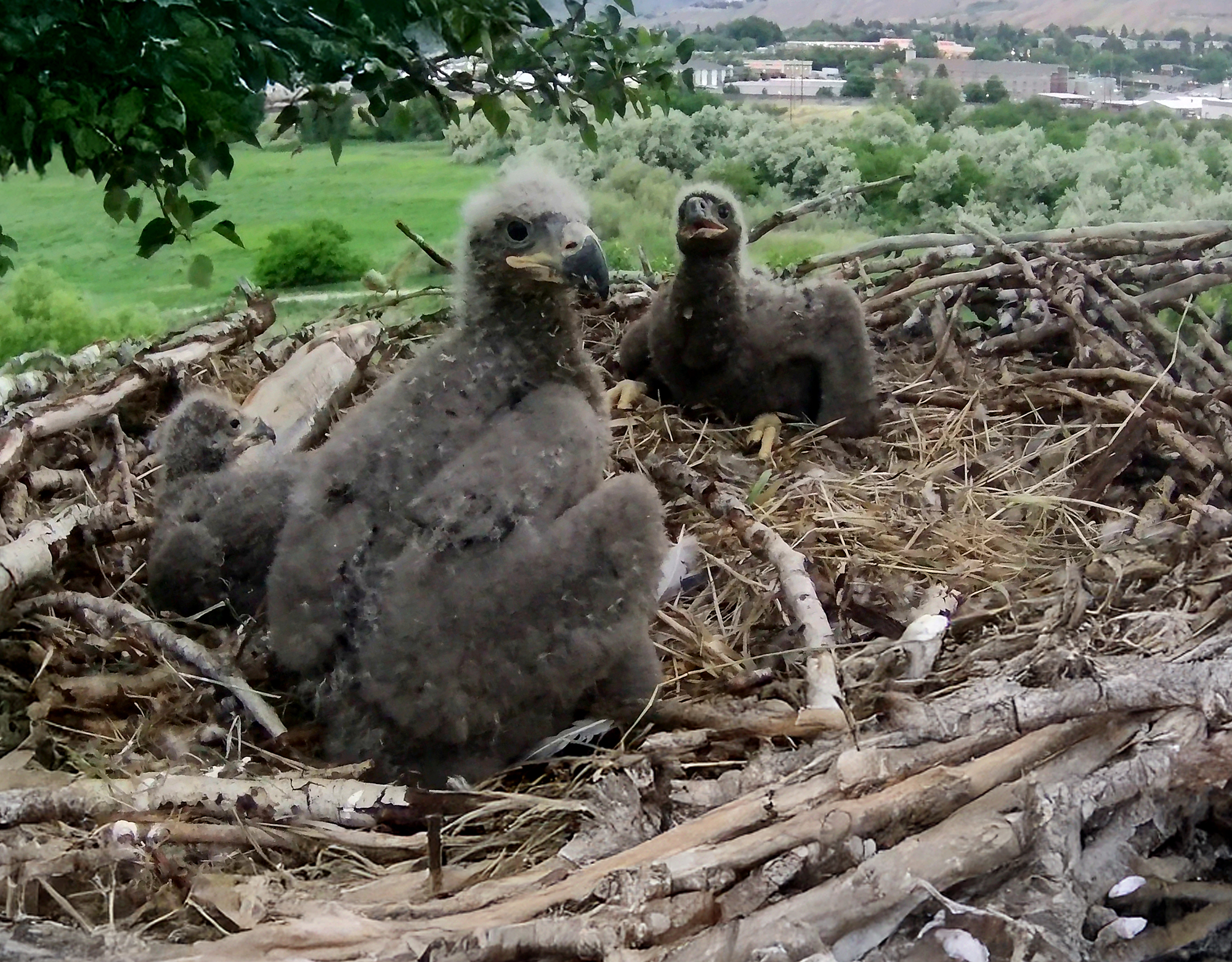
Now, after weeks of intensive treatment at Washington State University's Veterinary Teaching Hospital, the eaglets have been successfully placed into a wild foster nest, where they are being raised alongside a third eaglet by adult bald eagles. The species has served as a national symbol of the United States since 1782.
"It really took a village," said Dr. Marcie Logsdon, an avian specialist and certified wildlife rehabilitator with WSU's Exotics and Wildlife Service. "We had experts from across the country helping us figure out how to give these birds the best possible chance to grow up as wild bald eagles."
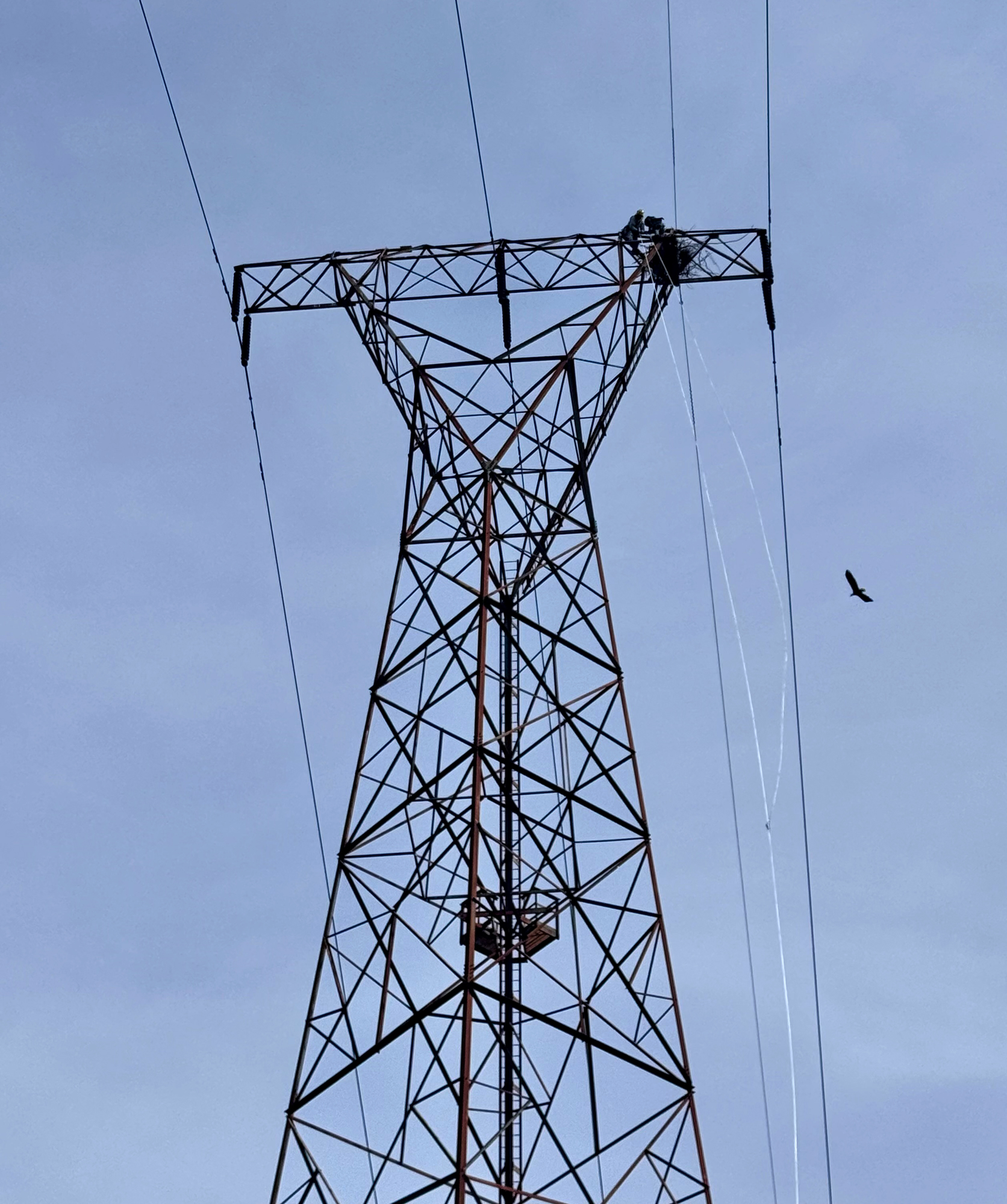
The chicks came to WSU after their parents built a nest on a power structure near Wenatchee, Washington, near Bonneville Power Administration's Valhalla substation. The nest rested on the top, right-hand side of the structure where branches were beginning to contact electrical lines, creating the risk of fire and power outages. After consulting with the U.S. Fish and Wildlife Service and obtaining permits, BPA's Wenatchee district Transmission Line Maintenance crew deployed three linemen to retrieve the chicks from the nest before they were transferred to WSU for care.
We had experts from across the country helping us figure out how to give these birds the best possible chance to grow up as wild bald eagles.
Dr. Marcie Logsdon
Avian specialist and certified wildlife rehabilitator
WSU's Exotics and Wildlife Service
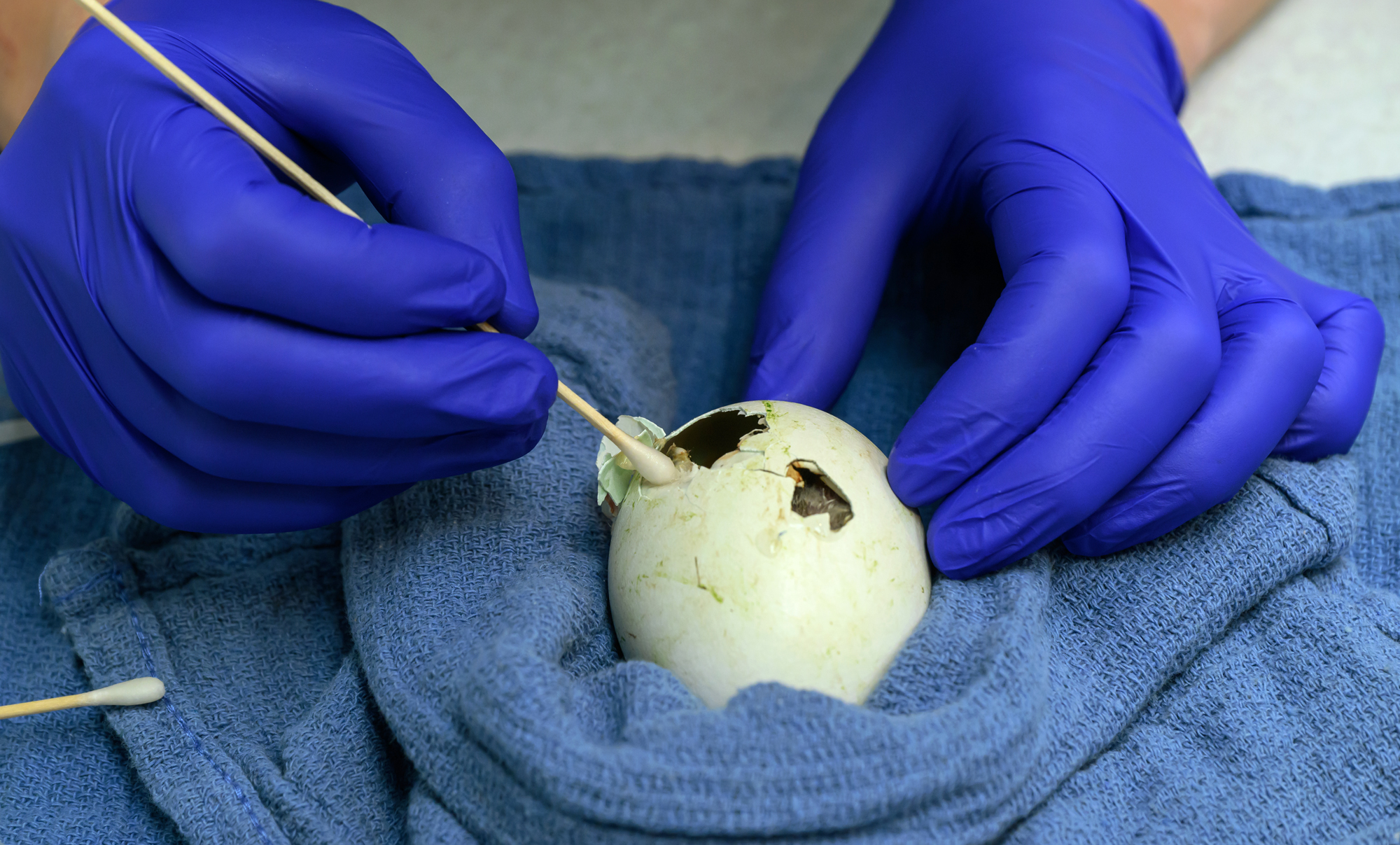
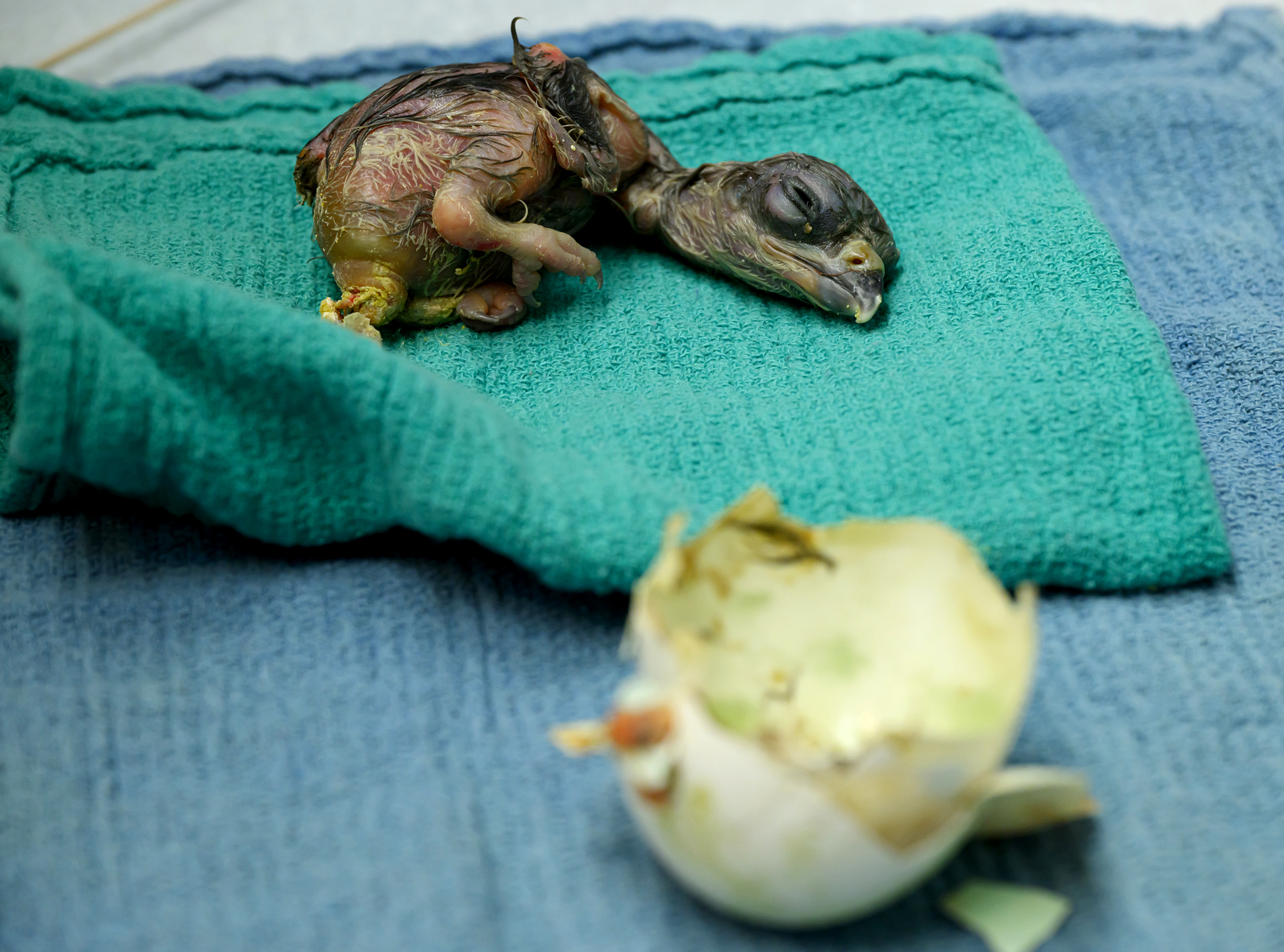
One eaglet required especially intensive treatment. Because the bird was in the middle of hatching when the nest was removed, it became stuck inside the egg and had to be carefully assisted out by Logsdon. The chick also had an exposed yolk sac, creating a potential route for infection.
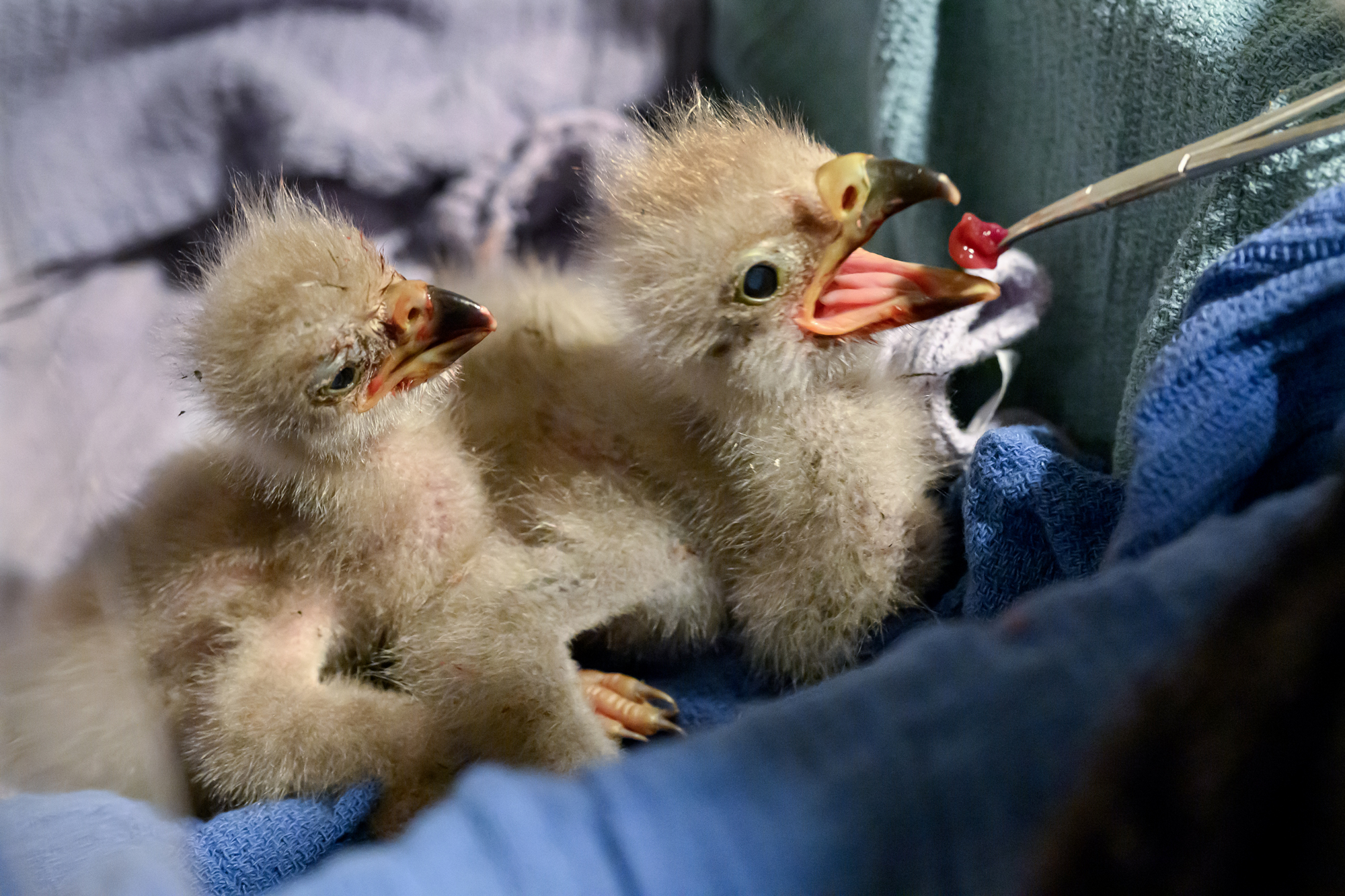
"Things were definitely touch and go there for a bit, but they recovered quickly and were soon eating 20% to 40% of their body weight every day," Logsdon said. "They were growing like weeds."
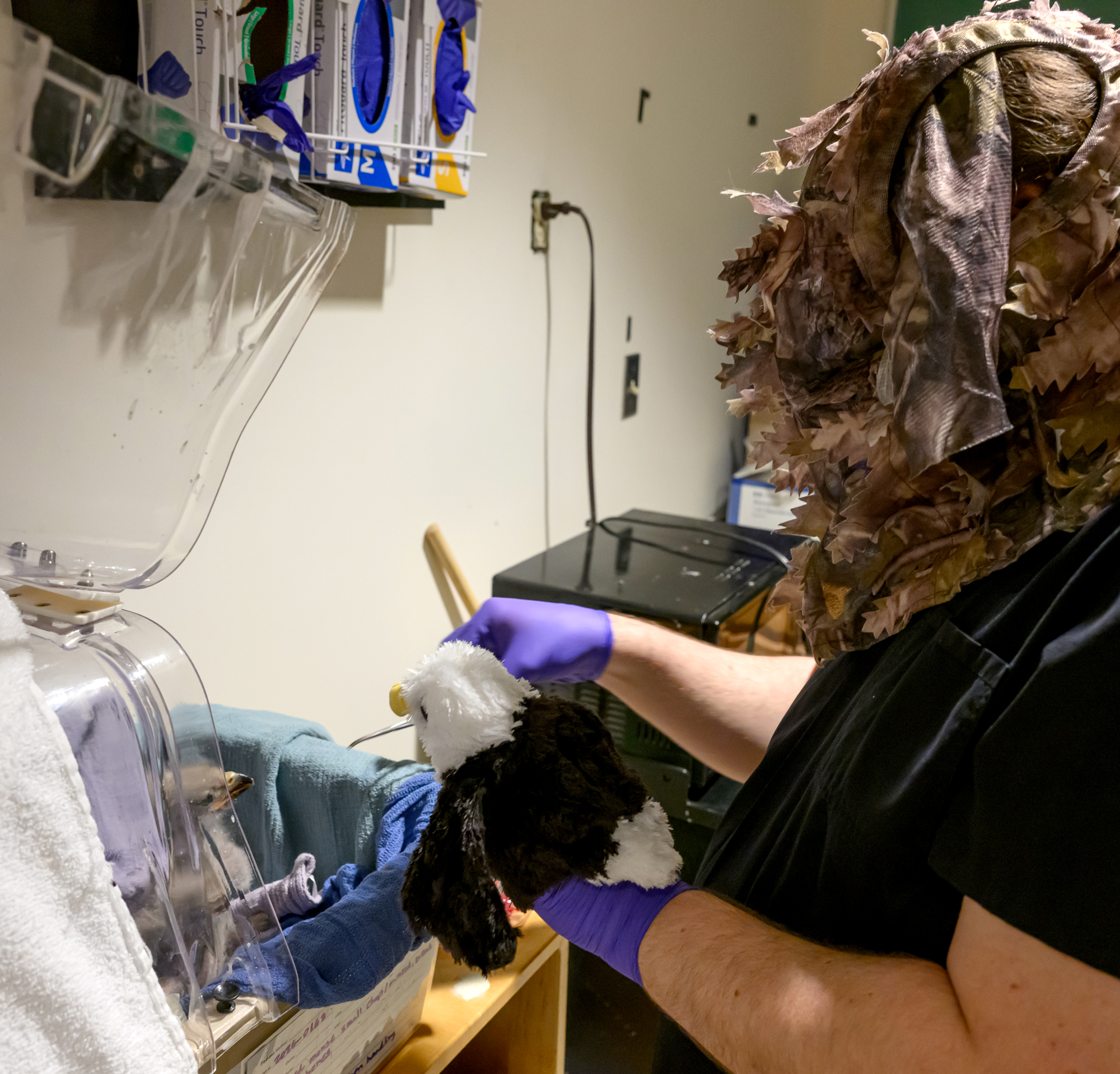
The birds are the youngest bald eagles ever treated by WSU's wildlife team. To prevent them from imprinting on people, staff wore face coverings during feedings, used eagle-themed puppets, played recordings from bald eagle nest cameras, and avoided talking around the chicks.
"We really want them to grow up knowing they are bald eagles and not people," Logsdon said.
Finding a foster nest proved to be one of the biggest challenges.
WSU worked with the Washington Department of Fish and Wildlife (WDFW), USFWS, wildlife rehabilitators, eagle experts, and veterinarians around the country to identify a suitable foster family. Several potential nests were considered before the team settled on a Wenatchee-area nest with a single eaglet of nearly the same age as the WSU chicks.
"It's really not as simple as finding an eagle nest and placing the chicks inside," said Alysha Evans, wildlife rehabilitation and falconry program manager for the WDFW. "You need experienced parents, chicks of a similar age, and a nest that can be safely monitored afterward to make sure all of the eaglets are thriving."
The nest was being monitored by eagle photographer Julanne Burts, who had spent many hours documenting the resident eagle family. Her observations helped confirm there was only a single eaglet in the nest, making it a promising candidate for the transfer.
"I spend a lot of time watching these nests, so when WSU reached out, I felt pretty confident there was only one eaglet there," Burts said. "It was exciting to know the information I was collecting could help give these two chicks a second chance."
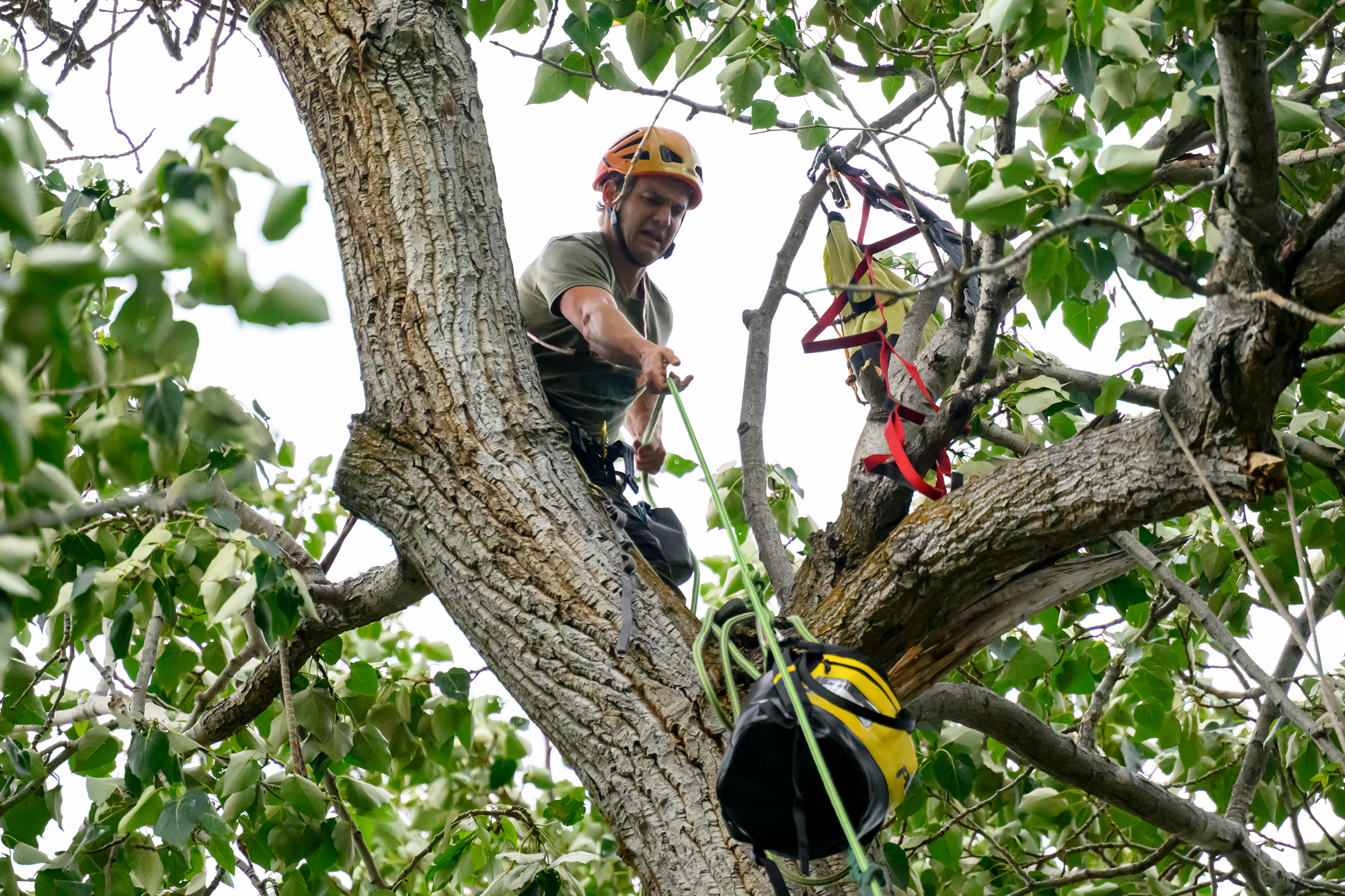
Once a suitable nest was found, the team enlisted Leavenworth-area arborist Robbie Brown, a volunteer with Canopy Cat Rescue, a nonprofit that rescues cats stranded in trees.
"Do you want to climb a tree to save some eagles?" Brown recalled being asked. "I was like, 'You tell me where and I'll be there.'"
The operation took place in windy conditions with sunset approaching. After hiking to the site, Brown used specialized climbing equipment to ascend the massive tree supporting the nest.
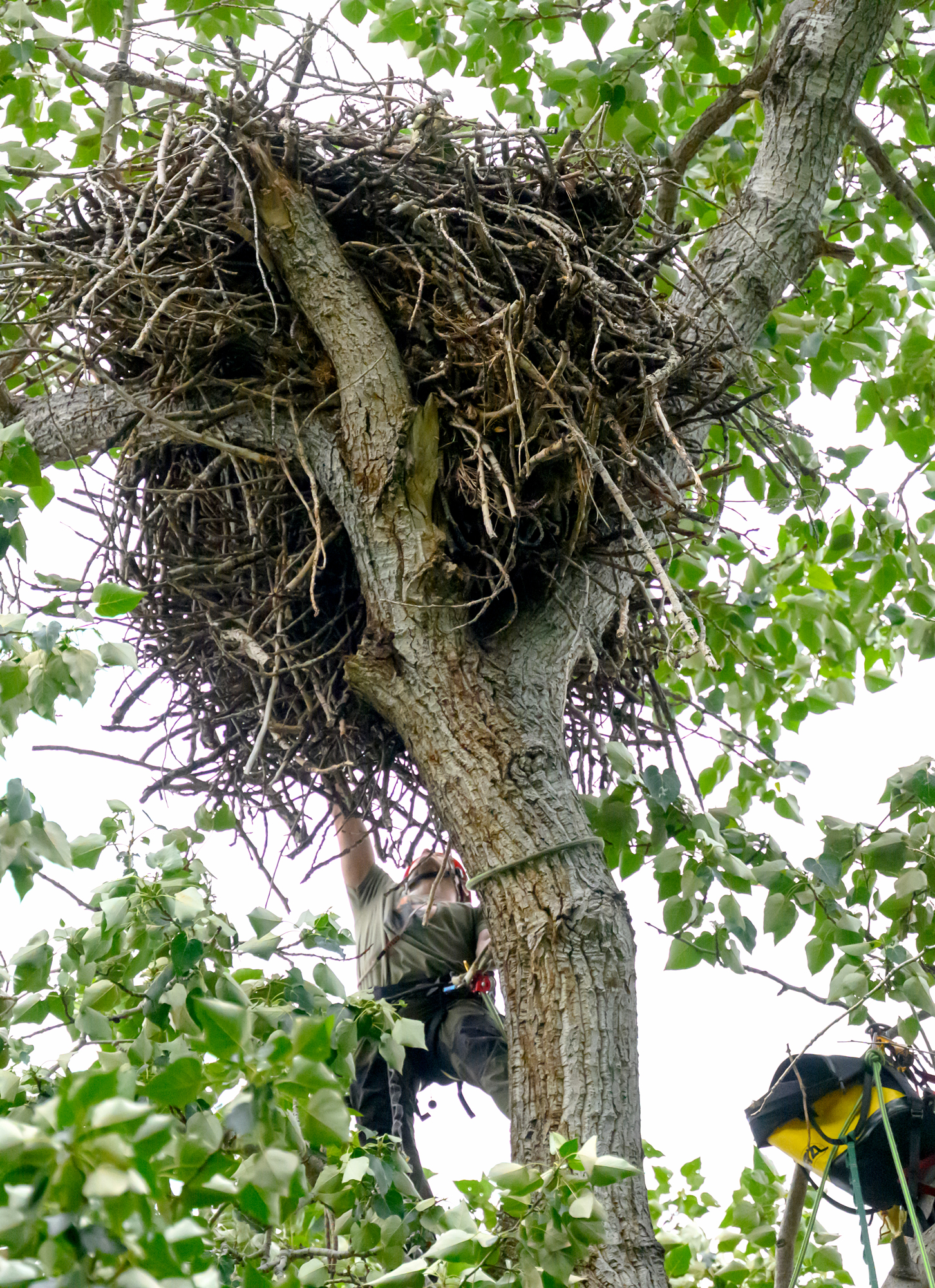
"I was pretty shocked when I saw it," Brown said. "The eagle nest is huge. It's the size of a loveseat."
Working high above the ground as the tree swayed in strong gusts, Brown first hoisted a fish into the nest to distract the resident eaglet and give its parents something to feed the new chicks. He then carefully raised each WSU eaglet in a protective bag and placed them into the nest one at a time.
"Climbing the tree was challenging, but putting the eaglets in the nest was surprisingly easy," Brown said. "I thought, 'What a way to spend the day.'"
The strategy worked.
Within days, Burts confirmed all three eaglets were being fed and cared for by the foster parents. The eaglets have also been fitted with U.S. Geological Survey identification bands that may help researchers track them in the future.
"Raptors are remarkably good at caring for extra babies," Logsdon said. "If the chicks are acting like wild chicks and begging appropriately, the parents usually respond to that."
The eaglets are just the latest chapter in WSU's long history of caring for raptors and wildlife.
The university's wildlife rehabilitation efforts trace back decades to pioneering veterinarian and falconer Dr. Erik Stauber, who helped establish raptor rehabilitation at WSU during the 1970s and 1980s. Since then, the Veterinary Teaching Hospital has treated countless birds of prey, including owls, hawks, falcons, osprey, golden eagles (some later placed with tribal partners such as the Yakama Nation), and bald eagles. Each year, the hospital treats around 10 bald eagles, many suffering from lead poisoning caused by ingesting ammunition fragments while scavenging deer and elk remains left behind by hunters.
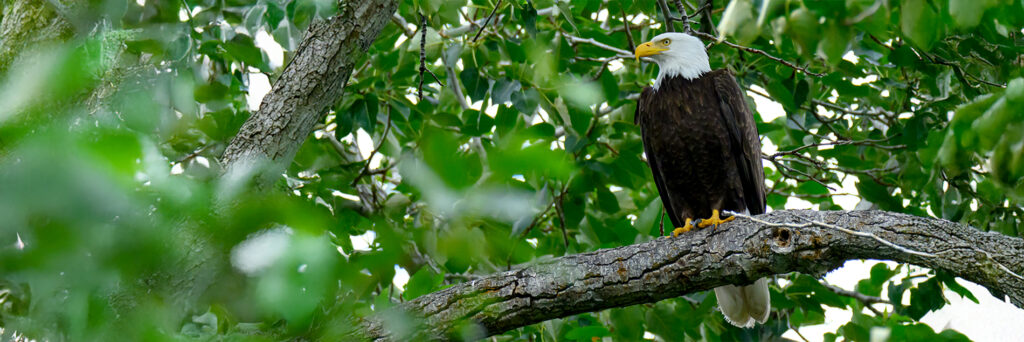
Despite the challenges, Logsdon said bald eagles remain one of her favorite patients.
Their story, she said, is one of the great conservation successes in American history. Not long ago, bald eagles were on the brink of disappearing from the lower 48 states because of DDT, a pesticide that weakened eggshells and prevented many chicks from surviving. After the chemical was banned and decades of habitat protection, rehabilitation, and recovery efforts followed, the species rebounded dramatically.
"I think their recovery story is really inspiring," Logsdon said. "It shows that sometimes people really can recognize a problem and turn things around."


