
Researchers from King's and Leucid Bio have made additional modifications to CAR T-cells receptors, in collaboration with LUMICKS, improving its therapeutic effectiveness in pre-clinical models.
New research led by Dr John Maher, from the School of Cancer & Pharmaceutical Sciences, working for Leucid Bio and with biotech company LUMICKS, has been published in the February 2022 issue of Frontiers in Immunology.
The paper describes a new Chimeric Antigen Receptor (CAR) T-cell therapy that adds a second receptor, enhancing the ability of the CAR T-cell to target and destroy specific cancer cells in pre-clinical models. The genetic edits provide new promise in improving its effectiveness as an immunotherapy for cancer.
Dr Maher and his colleagues were able to utilise the z-Movi® Cell Avidity Analyzer as part of their collaboration with LUMICKS. This new analyser measures avidity – the strength of binding between the antibody and the antigen on its target.
The authors used the technology to measure the strength of binding between the CAR T-cell and the target cancer cells, allowing researchers to identify the best candidates for immunotherapies.
Using the LUMICKS z-Movi instrument, we could easily find the 'goldilocks' CARs that do not bind too strongly or too weakly to the target cells and show superior killing in pre-clinical models.– Dr John Maher, School of Cancer & Pharmaceutical Sciences
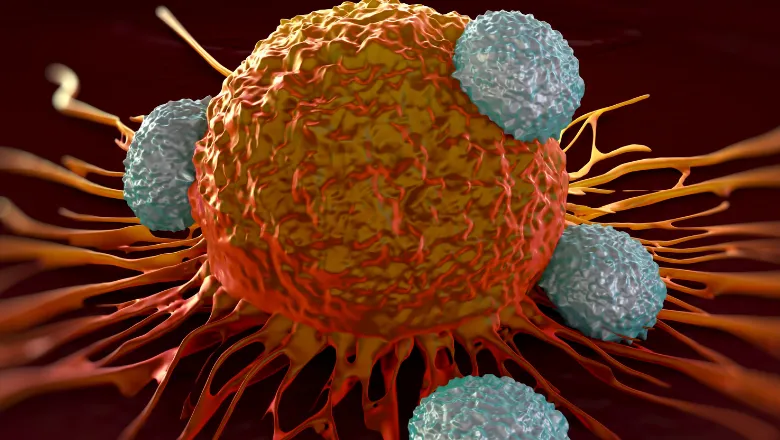
CAR T-cells refers to immunotherapies that modifies T cells – a type of cell in the immune system – to target and destroy cancer cells. This is achieved by genetically reprogramming T cells to make the CAR protein, which allows T cells to specifically bind to, and attack, cancer cells.
CAR T-cells are currently offered as treatments for blood cancers on the NHS, and Dr Maher's group are currently designing CAR T-cell therapy for solid tumours.
Andrea Candelli, Chief Scientific Officer of LUMICKS, added: "We are gratified by the additional evidence shown by this paper of the critical role that measuring cell avidity plays in uncovering and optimizing CAR T cells in making immunotherapy more effective."


