
The contraceptive pill has been hailed as one of the most revolutionary health technologies of the 20th century - a tool that gave women control over their fertility and paved the way for education and careers. But a new study suggests that this freedom may have come at a hidden cost: impaired mental health.
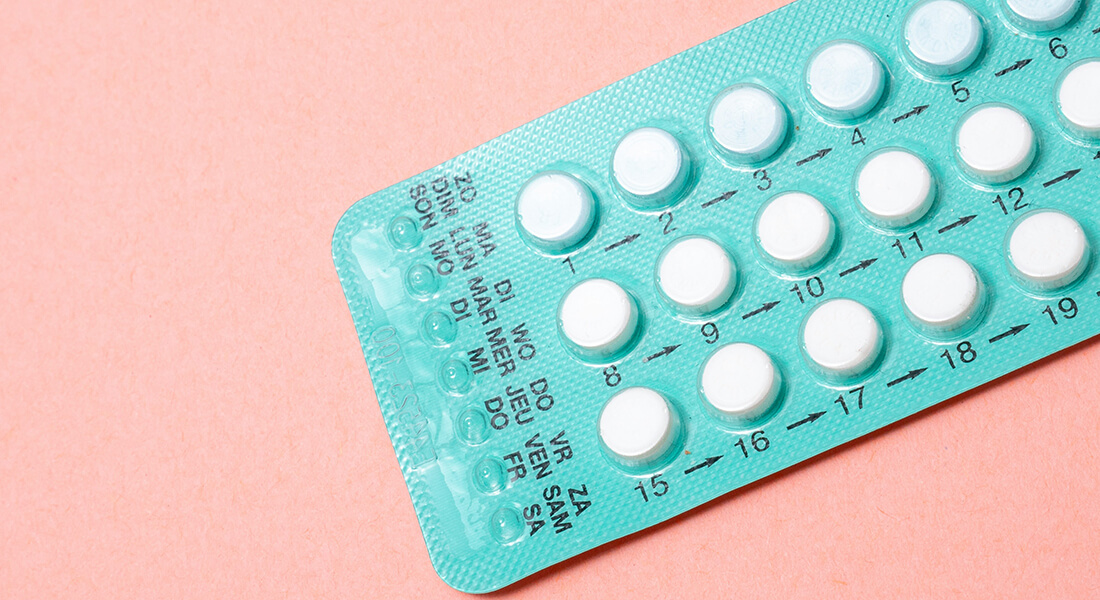
Access to the contraceptive pill during adolescence is associated with an increased risk of depression later in life. Women who are genetically predisposed to mental illness are particularly at risk of suffering from this side effect.
This is shown by a new study from the University of Copenhagen, which builds on previous research from the same university - and also demonstrated links between hormonal contraceptives and mental health problems.
'We know that the contraceptive pill has had enormous societal consequences, and positively affected women's careers. But we have overlooked the fact that it can also have a negative impact on mental health - and that has implications for how we understand its overall effect,' says the researcher behind the study, Franziska Valder, assistant professor at the Department of Economics and CEBI.
Genetic vulnerability plays a role
By combining data on legislation, genetic risk profiles and life courses for thousands of American women, the study documents that women with a high genetic risk of depression experience significantly poorer mental health if they had access to the contraceptive pill during their teenage years.
'Not all women are affected. But for those with a genetic vulnerability, we see that the contraceptive pill can act as a trigger for mental illness,' explains Franziska Valder.
The study also shows that the negative mental effects can undermine the positive effects of the contraceptive pill on education and labour market attachment.
'Women at high risk of depression achieve fewer years of education, have lower work productivity and report more sick days and functional impairments when they have access to the contraceptive pill,' explains Franziska Valder.
Calls for a nuanced contraception policy
Franziska Valder emphasises that the results should not be interpreted as an attack on the contraceptive pill, but as a contribution to a more nuanced debate on contraception and health.
'It's not about taking the contraceptive pill away from anyone. It's about understanding that there can be side effects - and that we should take them into account, especially in high-risk individuals,' she says, elaborating:
'We need more research into non-hormonal alternatives and better screening for mental vulnerability,' she concludes.
The study, published in the Journal of Labor Economics, is released at a time when access to abortion has been restricted in the United States and the debate on contraception and women's health is more topical than ever.
Read the full study here.


